
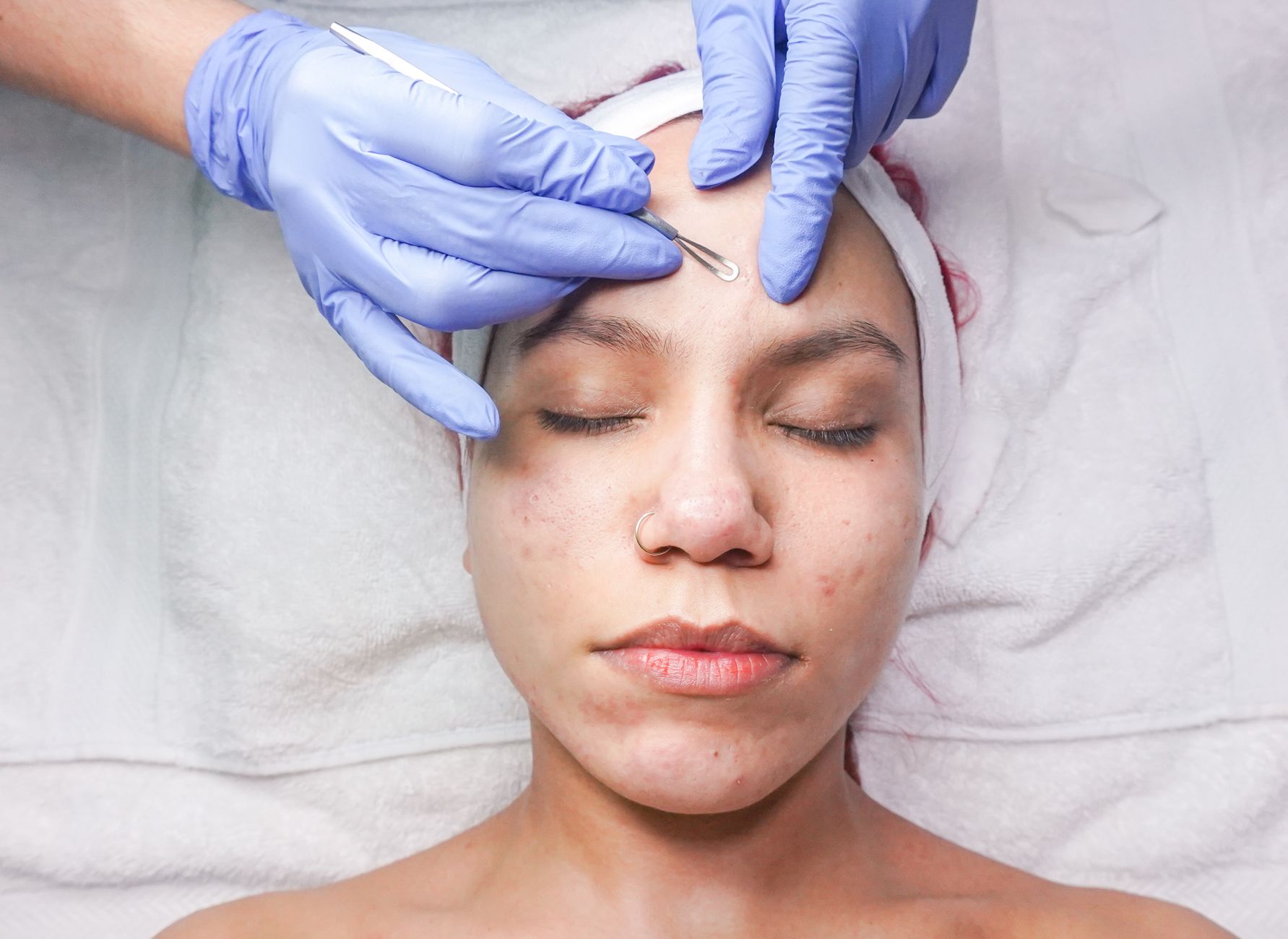
Obagi's CLENZIderm M.D. collection is a complete 3-step acne system for normal to oily, acne-prone skin using benzoyl peroxide plus salicylic acid.
It can control breakouts but often causes dryness and peeling, takes weeks to show benefit, and works best with moisturizer, sunscreen and planned follow-up. This guide explains each option, its trade-offs and follow-up timing. Use it to set expectations, limit irritation, and spot when medical care is needed.
Medical information disclaimer: This article is for general educational purposes only and does not provide medical advice, diagnosis, or treatment. Always consult a physician or other qualified health professional about symptoms, medications, tests, or treatment decisions.
Table of Contents
- What is in the system?
- Who fits this approach?
- What trade-offs should you expect?
- How long to try it and when to follow up?
What is in the system?
According to Obagi official product pages, the Daily Care Foaming Cleanser and Pore Therapy each use 2% salicylic acid to unclog pores. Obagi official says the Therapeutic Lotion uses 5% benzoyl peroxide to clear blemishes, as described in the Therapeutic Lotion details. Obagi official describes the full routine as a complete system for normal to oily skin in the Obagi CLENZIderm system collection.
Obagi official also sells a CLENZIderm M.D. Therapeutic Moisturizer with 20% glycerin. It is described as non-comedogenic to soothe, hydrate and protect skin during treatment for all skin types. Non-comedogenic means made not to clog pores.
Who fits this approach?
The stated fit is normal to oily, acne-prone skin with recurring breakouts and clogged pores. The American Academy of Dermatology gives strong recommendations to topical benzoyl peroxide, topical retinoids and antibiotic combinations. For severe acne, it strongly recommends oral isotretinoin.
That distinction matters if breakouts are deep, painful cysts or nodules with scarring risk. Those signs point toward medical review rather than another over-the-counter routine. Do not assume a cleanser plus lotion can replace prescription care for severe disease.
What trade-offs should you expect?
University of Michigan Health explains that benzoyl peroxide often causes dryness, redness, peeling, burning, itching and slight swelling. The same guide notes that irritation worsens when the product stays on too long, when acne medications are combined, or with sun exposure without sunscreen.
The FDA warned that benzoyl peroxide or salicylic acid can rarely cause serious hypersensitivity requiring emergency care, described in the FDA safety warning. Watch for these warning signs: Stop the product and seek emergency care if any appear.
- hives
- swelling of face or lips
- breathing difficulty
How long to try it and when to follow up?
University of Michigan Health notes that acne may initially worsen with redness and peeling, as detailed in the University of Michigan Health acne guide. Generally allow 4-6 weeks before judging improvement, with maximal benefit often at 3-4 months. Do not stop early because the first two weeks look worse.
San Diego dermatology guidelines advise daily noncomedogenic moisturizer plus sunscreen SPF 30 or higher. They advise regimen change or referral if no satisfactory response after 8-12 weeks, with scarring cysts or nodules, or when isotretinoin may be needed. Bring the start date, product list and photos of breakouts to that visit.
- Apply noncomedogenic moisturizer daily
- Apply sunscreen SPF 30 or higher each morning
- Seek care at 8-12 weeks without clear improvement