
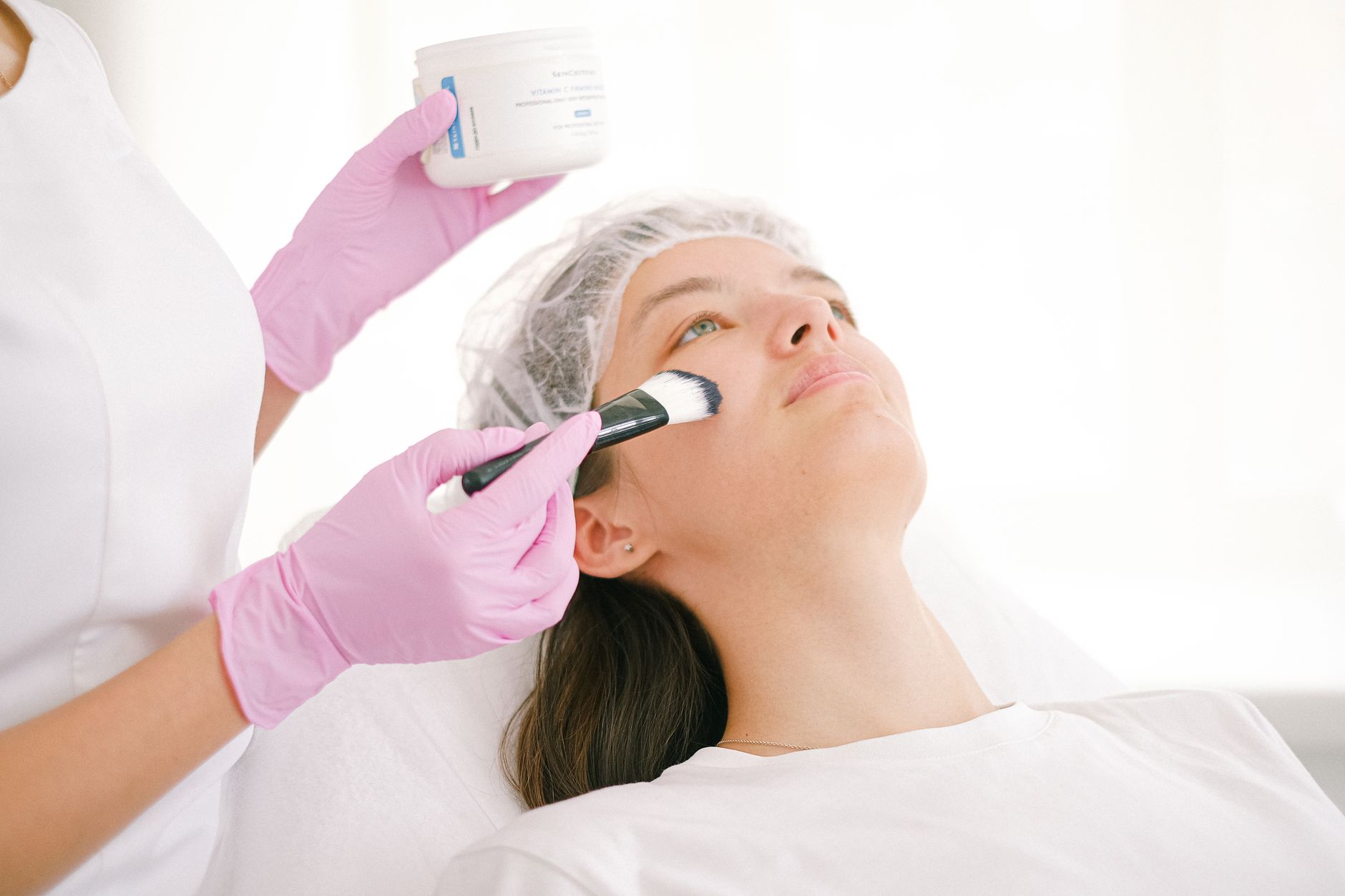
The 2026 trial studied 160 adults ages 18–60 with facial atrophic acne scars, depressed scars that sit below the skin surface. It did not study people with recent facial treatments, pregnant or lactating women, or people prone to keloids or hypertrophic scars. According to Springer Nature in the Aesthetic Plastic Surgery trial report, researchers compared calcium hydroxylapatite filler plus CO2 ablative fractional laser against laser alone. The study was prospective, single-center, and randomized.
Medical information disclaimer: This article is for general educational purposes only and does not provide medical advice, diagnosis, or treatment. Always consult a physician or other qualified health professional about symptoms, medications, tests, or treatment decisions.
Official resource:
- Register through Springer’s official page — Use this page to review requirements and register directly.
Table of Contents
- What did each group receive?
- Who qualified to join?
- Who was excluded?
- How should you use these results?
What did each group receive?
Participants were assigned by random-number generation to observation Group A or control Group B. Group A received combination therapy and Group B received laser monotherapy.
Group A had ablative fractional laser first, then two calcium hydroxylapatite sessions one month apart starting one month after laser. Group B had laser monotherapy. Outcomes were observed six months after laser.
Who qualified to join?
Eligible adults were 18–60 with a clinical diagnosis of facial atrophic acne scars. They had to comply with treatment and follow-up and have complete protocol data.
That focus keeps the findings tied to adults able to finish the full schedule. It also means teenagers, older adults, and people unable to attend follow-up were not represented.
Who was excluded?
According to Springer Nature in the trial eligibility description, recent treatment led to exclusion. People with facial cosmetic interventions within 3 months could not join, including chemical peels, energy-based devices, and systemic retinoids or topical steroids for scars.
Any injection filler within 6 months also excluded a person. Other exclusions were pregnancy or lactation, allergy to study agents, and photosensitivity. People with keloid or hypertrophic-scar tendency were also excluded, along with other protocol exclusions.
- Recent peel, laser or energy device, scar retinoid or steroid, or filler
- Pregnancy, lactation, photosensitivity, or relevant allergy
- Tendency to keloids or hypertrophic scars
How should you use these results?
According to Springer Nature in the six-month outcomes summary, the combination was effective and safe and improved scar remodeling. Benefit was strongest for boxcar and rolling atrophic scar subtypes. Calcium hydroxylapatite also aided recovery after laser by reducing laser-associated adverse events, not only by adding volume.
The single-center design and six-month post-laser endpoint limit reach. Results do not establish long-term durability or results at other centers, ages, scar types, or excluded groups. Adults 18–60 with boxcar or rolling scars and no recent exclusions can ask a dermatologist about laser-plus-filler protocols. People who are recently treated, pregnant, photosensitive, or keloid-prone should ask about deferred timing or alternative scar care.
You Might Also Like
- The 160-Participant Acne Scar Combination Trial Published in 2026: How People With Atrophic Acne Scars Can Avoid Overreading the Headline
- Vitamin C, Vitamin E, and Ferulic Acid After Acne Scar Laser in 2026: Questions People With Boxcar Acne Scars Can Ask Before a Procedure
- Vitamin C, Vitamin E, and Ferulic Acid After Acne Scar Laser in 2026: Pigment, Pain, and Recovery Questions for People With Boxcar Acne Scars