
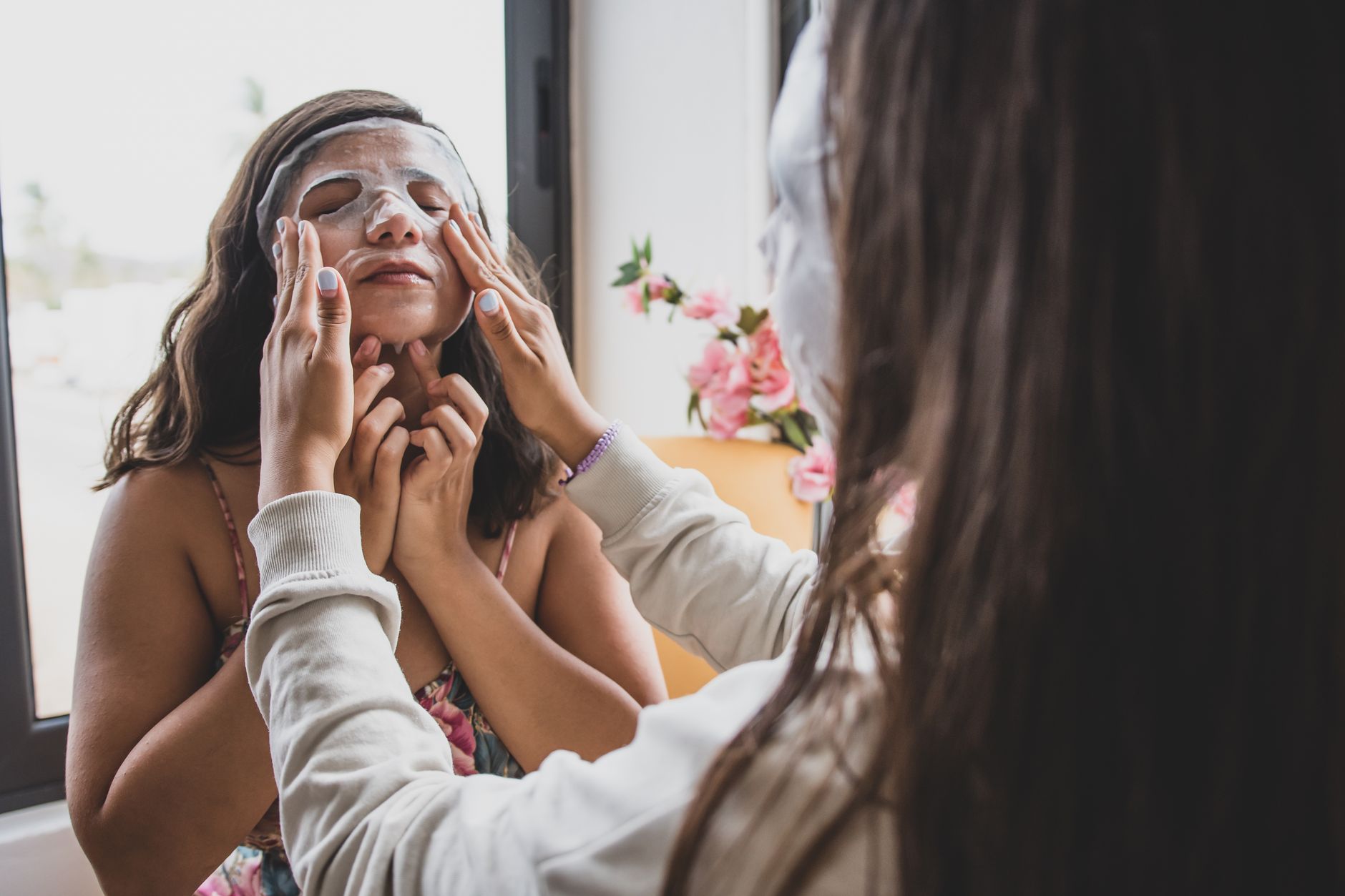
Individualized pediatric acne care for children with acne was discussed at AAD 2026. Pediatric acne means breakouts in children and preteens, and individualized care means matching diagnosis and treatment to age, severity, and skin type. The program focused on early diagnosis because pediatric acne and rosacea differ from adult disease. The American Academy of Dermatology described in its 2026 meeting preview a session with Dawn Eichenfield, MD, PhD, FAAD, on why that difference matters for treatment 2026 meeting preview.
Medical information disclaimer: This article is for general educational purposes only and does not provide medical advice, diagnosis, or treatment. Always consult a physician or other qualified health professional about symptoms, medications, tests, or treatment decisions.
Table of Contents
- Why childhood acne needs its own approach
- Which medical treatments fit ages 9 and older
- What helps at home day to day
- What should families check before using benzoyl peroxide
Why childhood acne needs its own approach
Children can develop acne earlier than many parents expect. Pediatric dermatologists report seeing acne in children as young as 7, with more cases at ages 9-12 linked to earlier puberty.
That age shift matters because guidelines draw clear age lines. The 2024 AAD acne guideline summary covers acne vulgaris in adults, adolescents, and preadolescents age 9 and older. It explicitly excludes infantile acne, mid-childhood acne under age 9, drug-induced acne, and acneiform eruptions.
Which medical treatments fit ages 9 and older
Dermatology Times reporting on the AAD acne guidelines notes strong recommendations for topical benzoyl peroxide, retinoids, antibiotics, and fixed-dose combinations, plus oral doxycycline, with oral isotretinoin for severe disease guideline review. A dermatologist selects from those options based on severity, skin tolerance, and prior response. Age labeling further narrows topical choices for younger patients. Practical Dermatology reported the FDA approval notice for tretinoin 0.1 percent plus benzoyl peroxide 3 percent cream Twyneo for adults and pediatric patients age 9 and older FDA approval notice.
Adapalene 0.1 percent plus benzoyl peroxide 2.5 percent gel also fits children 9 and older, while most other retinoids start at age 12. Parents can use that age detail at the visit. Ask which product holds FDA approval for your child's exact age. Ask how it differs from options reserved for older teens.
What helps at home day to day
Home treatment takes time and steady use. AAD parent guidance states at-home acne treatment takes 4-8 weeks to show improvement. Treatment must continue after clearing to prevent future breakouts.
Gentle habits protect young skin during those weeks. Start twice-daily cleansing for tweens with breakouts. Avoid picking, scrubbing, and grainy scrubs.
- Wash gently twice daily with a mild cleanser and lukewarm water
- Apply prescribed treatment to the full acne-prone area, not spots only
- Skip grainy scrubs, harsh rubbing, and picking or squeezing
- Keep treatment going after skin clears, as directed by the clinician
What should families check before using benzoyl peroxide
Benzoyl peroxide remains a core treatment, but storage and recalls deserve attention. Medscape reporting on the FDA action in 2025 explains that testing of 95 benzoyl peroxide products found more than 90 percent had undetectable or extremely low benzene, while 6 products were voluntarily recalled FDA action report.
Check the recall list before buying or refilling a product. Store products as directed and replace tubes or pumps as instructed.
You Might Also Like
- Individualized Pediatric Acne Care Discussed at AAD 2026: How Parents of Children With Acne Can Read the Conference Headline Carefully
- Pediatric Acne and Rosacea at the 2026 AAD Annual Meeting: When to Seek Care for Pediatric Dermatology Patients
- Pediatric Acne and Rosacea at the 2026 AAD Annual Meeting: Scarring and Pigment-Change Questions for Pediatric Dermatology Patients