
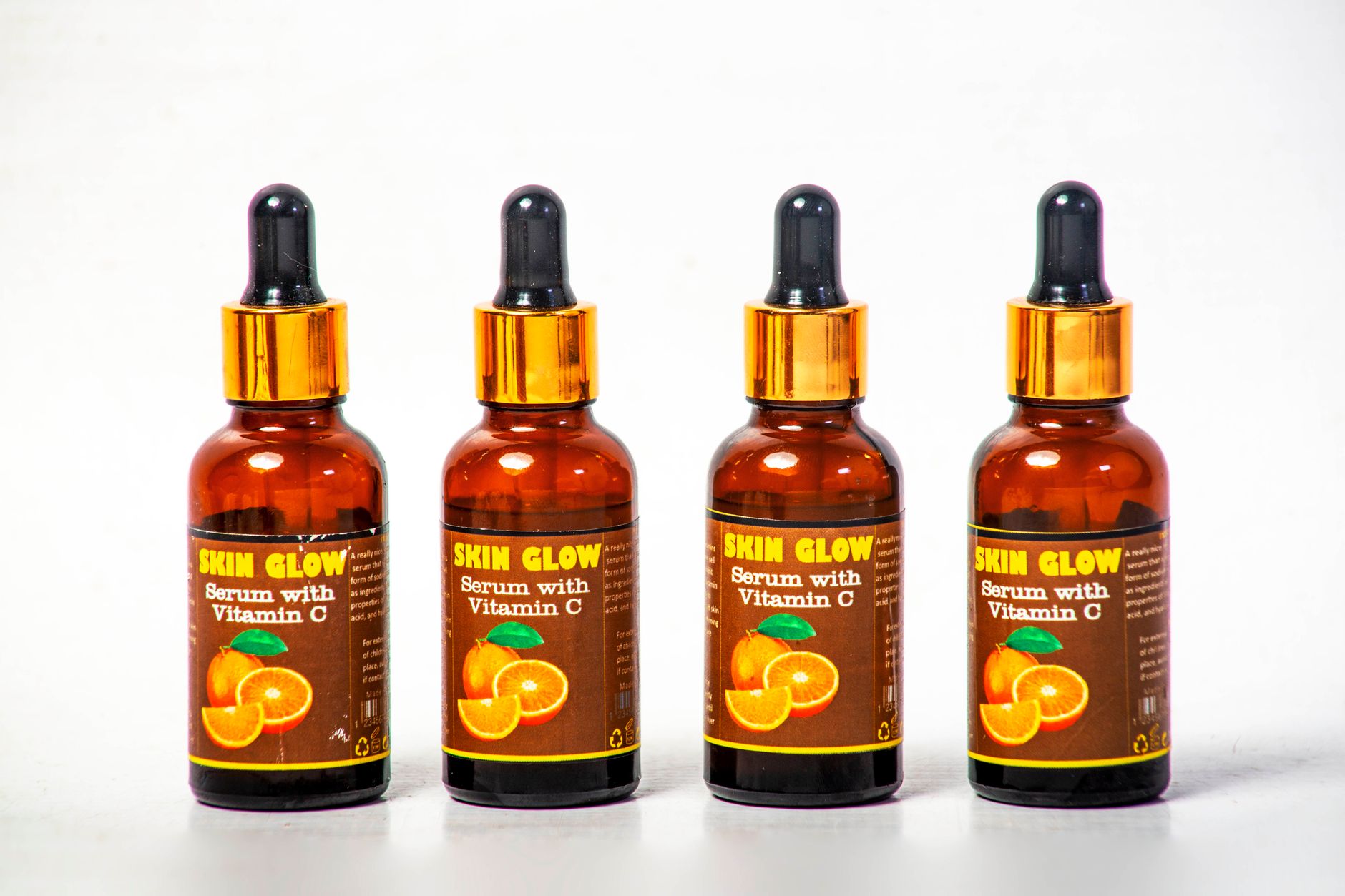
A January 2026 split-face trial found topical 15% vitamin C, 1% vitamin E and 0.5% ferulic acid improved healing after ablative fractional CO2 for atrophic acne scars. People with rolling acne scars can compare procedures by tether release, sessions, downtime and pigment risk. Rolling scars are broad, shallow, wave-like depressions held down by fibrous bands under the skin. Laser smooths surface texture, while subcision or filler releases or fills those tethers.
Medical information disclaimer: This article is for general educational purposes only and does not provide medical advice, diagnosis, or treatment. Always consult a physician or other qualified health professional about symptoms, medications, tests, or treatment decisions.
Table of Contents
- What did the 2026 after-laser study find?
- Why do timing and formula matter?
- What makes rolling scars different?
- How should people compare procedures?
- What protects results after healing?
What did the 2026 after-laser study find?
The Journal of Cosmetic Dermatology trial tested the antioxidant mix against saline after ablative fractional CO2. Healing improved, redness and melanin measures fell, and barrier function held better on the treated side, according to the January 2026 split-face trial. That result matters because redness, darkening and barrier disruption drive early aftercare decisions.
Lower melanin and erythema readings point to calmer early recovery, not scar removal by the serum itself. A 2022 University of Minnesota chart review adds a safety limit. Immediate single-application serum after fractional ablative CO2 caused no reported side effects, but the authors warned against extending that finding to longer courses or other formulas.
Why do timing and formula matter?
A 15-patient randomized split-face trial applied vitamins C and E plus ferulic acid within two minutes after ablative fractional CO2. Recovery shortened, linked to higher basic fibroblast growth factor expression at day five. The specific mix also has a stability rationale.
A human-skin photoprotection study found 0.5% ferulic acid stabilized 15% L-ascorbic acid plus 1% alpha-tocopherol and doubled UV protection from about four-fold to eight-fold. Patients should not substitute another vitamin C product and expect the same effect. Dose, timing and single versus repeated use change both benefit and risk.
What makes rolling scars different?
Skin Therapy Letter describes rolling scars as wide, shallow depressions with subdermal fibrous tethering, best lifted by treatment that releases or fills tethers, according to the scar-type guide. Ice Pick scars suit TCA CROSS or punch methods, while boxcar scars suit resurfacing. That distinction changes the procedure choice.
A laser can improve texture over a rolling scar, but it does not cut the anchored fibers underneath. A review of a 121-patient study reports fractional CO2 improves atrophic scars, with rolling scars often responding better than boxcar and icepick scars. Higher energy increased both response and persistent redness and pigmentation risk.
How should people compare procedures?
Compare whether the plan releases tethers, how many sessions are likely, what downtime is expected, and what pigment risk applies to your skin. Fractional lasers rarely erase scars in one session, and combinations are commonly needed, according to the Yonsei split-face report.
Use this short checklist during consultation: Ask for the answer in writing for each option. A rolling scar that looks shallow in flat light may still need tether release under angled light.
- Does the plan include subcision or filler for tethering, or resurfacing alone?
- How many sessions are expected, and how far apart?
- How many days of redness, swelling, crusting or time off work occurred in similar patients?
- What pigment-change risk applies at the proposed energy, and what is the rescue plan?
What protects results after healing?
Cleveland Clinic instructs patients to use daily broad-spectrum face sunscreen with SPF at least 30 after healing from CO2 resurfacing, because resurfaced skin is highly UV-sensitive and prone to pigment change, according to the CO2 resurfacing aftercare page. Make sunscreen part of the scar plan, not an optional extra. Apply it after the clinic clears occlusive healing products, then maintain daily use through redness fading.
You Might Also Like
- Vitamin C, Vitamin E, and Ferulic Acid After Acne Scar Laser in 2026: Pigment, Pain, and Recovery Questions for People With Rolling Acne Scars
- Antioxidant Serum After Fractional CO2 Acne Scar Treatment in 2026: Pigment, Pain, and Recovery Questions for People With Rolling Acne Scars
- Radiofrequency Microneedling vs Fractional CO2 for Acne Scars in 2026: Sample Size and Evidence Limits for People With Atrophic Acne Scars