
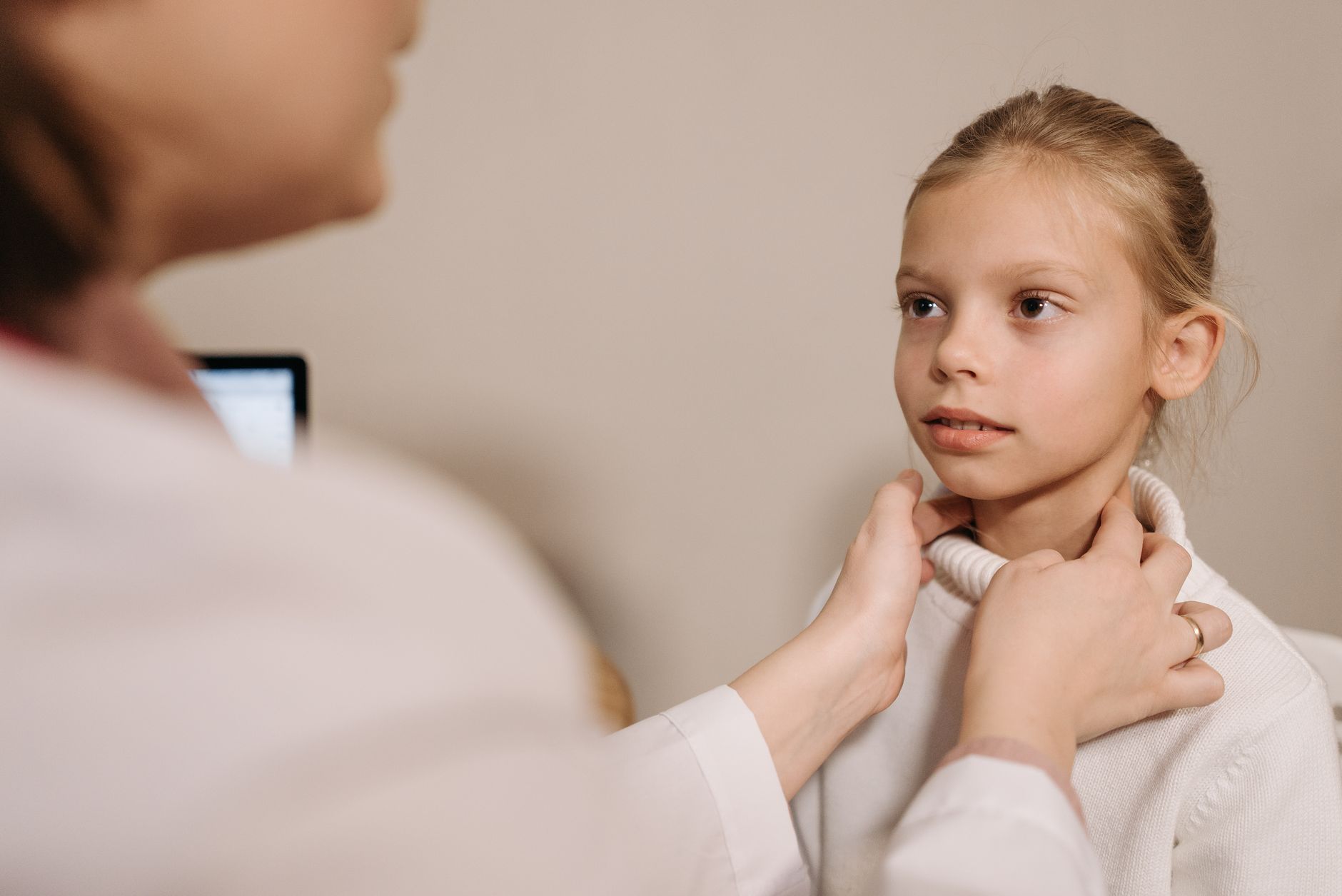
Individualized pediatric acne care was discussed at the 2026 American Academy of Dermatology Annual Meeting in Denver on March 27-31. The program listed Dawn Eichenfield, MD, PhD of Rady Children's/UC San Diego to explain how pediatric acne and rosacea differ from adult disease and why early diagnosis and tailored treatment matter. Pediatric acne means acne vulgaris in children from birth through the teen years. Care is individualized because cause, severity, and look-alikes change sharply with age.
Medical information disclaimer: This article is for general educational purposes only and does not provide medical advice, diagnosis, or treatment. Always consult a physician or other qualified health professional about symptoms, medications, tests, or treatment decisions.
Table of Contents
- How do doctors group pediatric acne by age?
- What should parents expect in newborns and infants?
- Why is acne from age 1 to 7 a red flag?
- Which look-alikes confuse parents most?
- What do current acne guidelines leave out?
How do doctors group pediatric acne by age?
Expert consensus divides pediatric acne into neonatal birth to 8 weeks or younger, infantile 8 weeks to 1 year or younger, mid-childhood 1 to younger than 7 years, preadolescent 7 to 12 years, and adolescent 12 to 19 years, according to the Johns Hopkins/Pediatrics consensus summary consensus summary on neonatal through preadolescent acne. These age bands guide testing and treatment. A facial rash at 3 weeks raises different concerns than inflamed lesions at age 4.
What should parents expect in newborns and infants?
Neonatal acne affects about 20% of newborns with facial papules and pustules. Many cases are self-limited neonatal cephalic pustulosis or transient neonatal pustular melanosis rather than true acne, as reported by MDedge Pediatrics. Infantile acne appears at 3 to 16 months in under 2% of children, according to CMAJ CMAJ review of infantile acne.
It can form deeper nodules and leave lasting scars, with higher risk in darker skin. True infantile acne may signal more severe acne during the teen years. Parents can watch healing, note scarring, and photograph changes between visits. Early review helps the doctor judge severity and plan follow-up.
Why is acne from age 1 to 7 a red flag?
Mid-childhood acne is rare because children normally lack strong adrenal and gonadal androgens. All cases should be checked for excess androgens, including premature adrenarche, congenital adrenal hyperplasia, Cushing syndrome, gonadal or adrenal tumors, and precocious puberty. Parents should expect a full-body skin exam for secondary sexual characteristics.
The doctor may order adrenal-androgen and total and free testosterone testing and refer promptly to endocrinology. Early effective treatment reduces scarring. Onset at age 1 to 7 is itself a reason for endocrine review.
- acne plus pubic or underarm hair, body odor, rapid growth, or genital changes
- severe, persistent, or scarring lesions between ages 1 and 7
- acne that does not respond to basic skin care and review
Which look-alikes confuse parents most?
Mid-childhood acne is often mistaken for keratosis pilaris, milia, rosacea, periorificial or perioral dermatitis, and Demodex. These conditions can cause red bumps and pus bumps that resemble acne. A useful bedside clue is comedones, meaning blackheads and whiteheads.
As Dermatology Times reported in December 2025, comedones point toward acne vulgaris, while papulopustular rosacea and perioral dermatitis usually lack them report on pediatric papulopustular rosacea. Parents can note where bumps sit, whether blackheads are present, and what triggers flares. That record helps the dermatologist separate acne from rosacea and dermatitis.
What do current acne guidelines leave out?
The Academy's updated acne vulgaris guidelines replace the 2016 guidelines but cover only adults, adolescents, and children age 9 and older. That leaves newborn through mid-childhood care to smaller consensus reports, according to Dermatology Times in March 2024.
For parents, the gap makes age-specific diagnosis more important. Children with acne at ages 1 to 7 should receive a full exam, possible hormone workup, and prompt treatment rather than watchful waiting alone.
You Might Also Like
- Individualized Pediatric Acne Care Discussed at AAD 2026: Questions Parents of Children With Acne Can Ask a Dermatologist
- Early Pediatric Acne Assessment Highlighted at AAD 2026: Diagnosis and Look-Alike Questions for Parents of Children With Acne
- Pediatric Acne and Rosacea at the 2026 AAD Annual Meeting: Diagnosis and Look-Alike Questions for Teens With Early Acne