
Track strength, irritation, and product lot. Ask about combinations, sensitive skin, and pregnancy.
Verify expiry, storage, and recalls before each new tube. Benzoyl peroxide is an over-the-counter acne treatment that kills Cutibacterium acnes bacteria. The American Academy of Dermatology gave it a strong recommendation in 2024 guidelines alongside retinoids, antibiotics, and fixed-dose combinations.
Medical information disclaimer: This article is for general educational purposes only and does not provide medical advice, diagnosis, or treatment. Always consult a physician or other qualified health professional about symptoms, medications, tests, or treatment decisions.
Table of Contents
- What does it do for acne?
- How do you start and apply it?
- What irritation should you track?
- Who should ask a clinician first?
- How do you verify recalls and storage?
What does it do for acne?
Benzoyl peroxide kills acne bacteria by oxidizing bacterial proteins. It also reduces inflammation and breakdown of sebum fats that feed irritation. It adds mild pore-clearing action that helps loosen plugs.
Unlike topical antibiotics, it does not induce bacterial resistance, according to the NCBI Bookshelf review. That property makes it useful in combination routines. The Academy advises combining topical classes rather than using a topical antibiotic alone.
How do you start and apply it?
Shop for 2.5% to 10% as the single active ingredient. FDA classifies that range as generally recognized as safe and effective for over-the-counter acne use, described in FDA acne guidance.
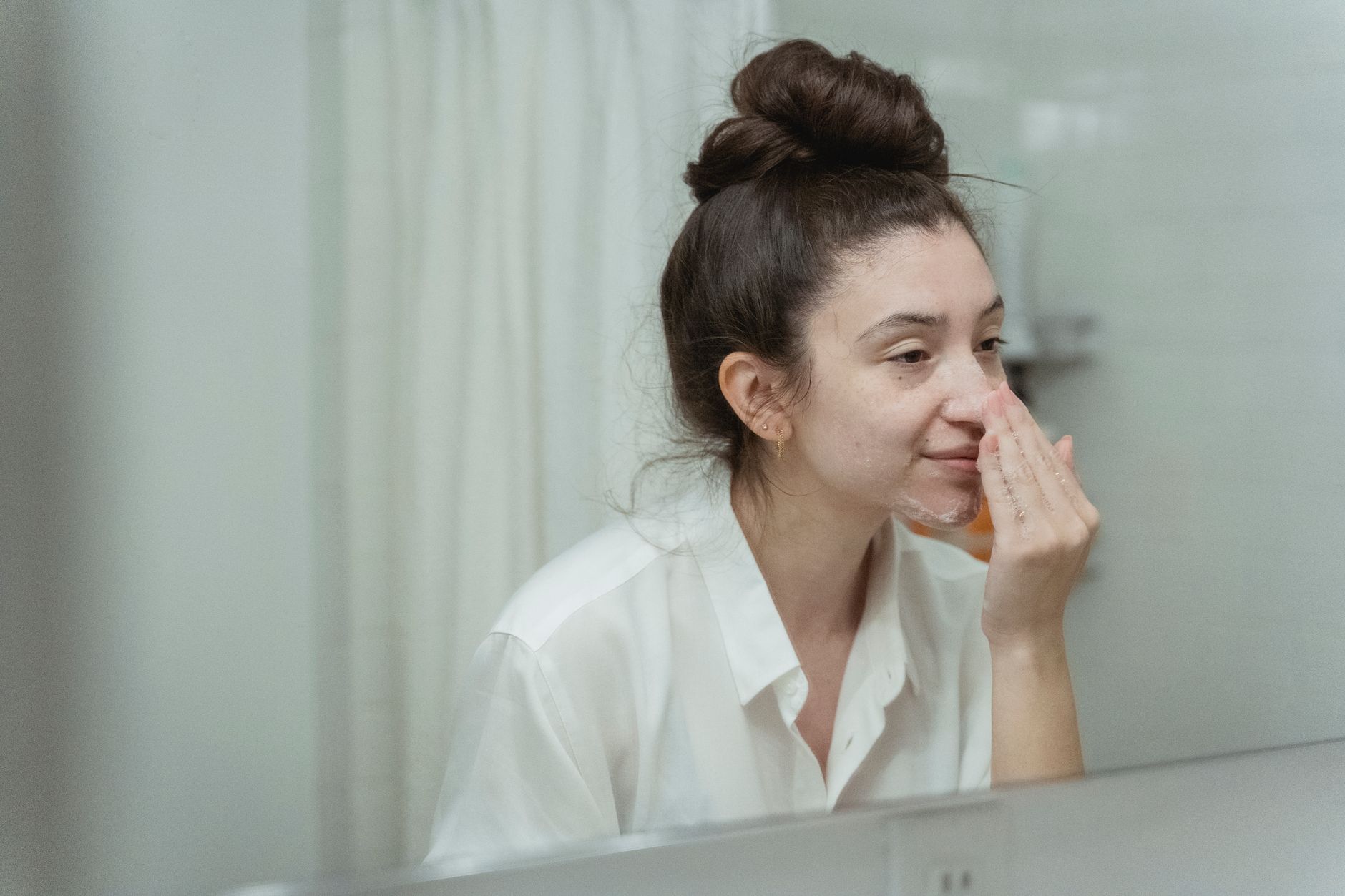
Start low and increase only as tolerated. Apply a thin layer once or twice daily.
- Wash gently, pat dry, then apply a thin film
- Keep it off eyes, lips, and mouth
- Wash hands after use
- Use sunscreen during the day and limit sun exposure
What irritation should you track?
Expect some dryness, redness, and peeling during the first weeks. Heightened sun sensitivity is also common. Product labels direct users to avoid unnecessary sun, use sunscreen, and avoid eye and lip areas, as noted on the DailyMed label for OXY 10.
Track where and when irritation peaks. Note burning, swelling, crusting, or spreading rash. Stop use and get care for signs of allergy.
- Bleaches hair and dyed fabrics, so use white towels and pillowcases
- Do not mix with extra scrubs, peels, or harsh toners at first
- Reduce frequency if peeling interferes with makeup or shaving
Who should ask a clinician first?
Ask first if your skin is very sensitive or reacts to many products. Ask first after any prior benzoyl peroxide allergy. People who are pregnant or breastfeeding should also check with a clinician.
Nursing users should avoid breast-area application where infants have direct skin contact. Bring your full acne list to the visit. Ask whether a retinoid, fixed-dose product, or non-benzoyl option fits better.
How do you verify recalls and storage?
Check lot number and expiry against current recalls before opening a tube. FDA testing of 95 products found more than 90% with undetectable or very low benzene, with a small number of lots voluntarily recalled at retail, according to the FDA benzene statement. Recalled lots included La Roche-Posay Effaclar Duo, Proactiv, Walgreens, SLMD, and Zapzyt products.
Store at room temperature away from heat and sunlight. Discard old or hot-stored tubes, such as tubes left in cars or near radiators. Ask your pharmacist about a non-benzoyl alternative if benzene risk still concerns you.