
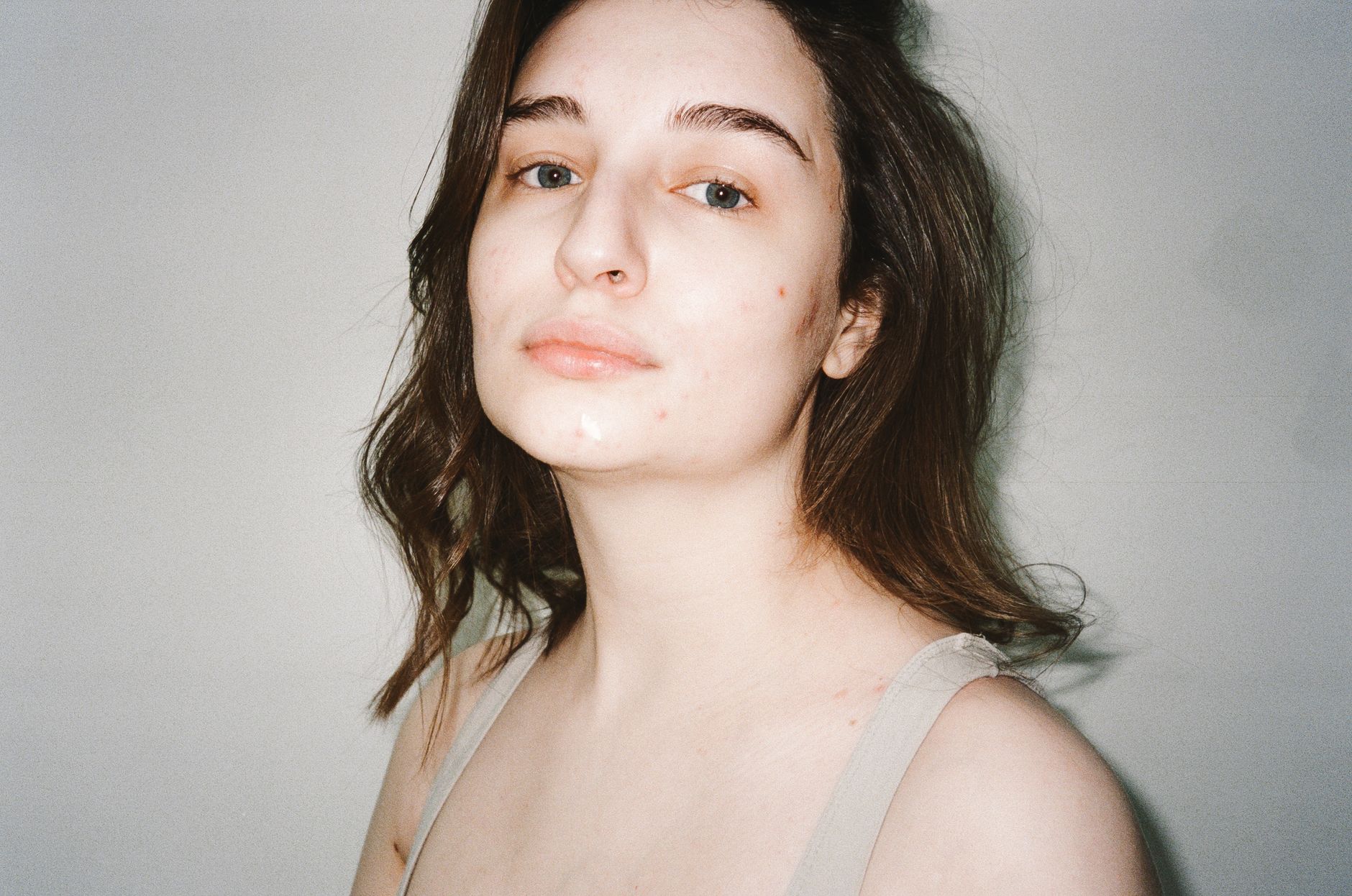
The January 2026 teen acne study does not prove acne causes poor body image because it measured both at the same single visit. For teens with acne, it shows a link between breakouts and lower confidence, not proof of cause.
Acne vulgaris means the common form with pimples, blackheads, and inflamed spots. Causation means one thing directly produces another. Association means two things occur together.
Medical information disclaimer: This article is for general educational purposes only and does not provide medical advice, diagnosis, or treatment. Always consult a physician or other qualified health professional about symptoms, medications, tests, or treatment decisions.
Table of Contents
- What the January study found
- Why one visit cannot prove cause
- What else shapes how teens feel
- What teens and parents can do next
What the January study found
Researchers compared teens with and without acne vulgaris on body image and self-confidence. Teens with acne had higher odds of lower positive body image, with OR=1.901 and p=0.041, plus lower self-confidence. The Universitas Sriwijaya Jurnal Kedokteran dan Kesehatan used chi-square tests and path analysis in that work, detailed in the Universitas Sriwijaya medical journal study.
Acne affects a large teen group. The American Academy of Dermatology reports acne as the most common U.S. skin condition, with up to 50 million Americans affected yearly. About 85% of people ages 12-24 get at least mild acne, noted in the Epicos summary of Academy data.
Why one visit cannot prove cause
A single visit shows acne and mood together, but not which came first. A teen could feel low before breakouts, after breakouts, or both could rise from another stress. Order stays unclear without follow-up over time.
The Timisoara outpatient study of 97 acne patients stated that temporal ordering and causality cannot be inferred from single-timepoint data, explained in the Journal of Clinical Medicine outpatient study. A review of 41 pediatric skin-disorder studies summarized by AJMC found 75% used cross-sectional designs that measured severity and mood once. A Frontiers in Medicine case-control study also found distress may precede, follow, or interact bidirectionally with acne.
What else shapes how teens feel
Online comparison also affects body image. Meta-analytic evidence links social comparison with body-image concerns and eating-disorder symptoms. Effects vary across teens and do not prove cause for one person, notes a 2026 Dove Medical Press case report.
That matters for acne because photos, filters, and comments can raise pressure. A teen with mild acne and heavy comparison may feel worse than a teen with stronger acne and less exposure. Acne is one piece, not the full picture.
What teens and parents can do next
Dermatology guidance advises parents of teens struggling with acne to seek dermatologist care with prescription management. Effective treatment has accompanied better self-esteem, body image, and social confidence, reviewed in the Skin Therapy Letter psychosocial review. Bring clear notes to the visit: Use those notes to ask about prescription options and next checks.
- where breakouts occur and how long they last
- dips in confidence, school comfort, or social plans
- time spent comparing looks online
You Might Also Like
- Anxiety, Body Image, and Acne in a 2026 Cross-Sectional Study: What the Findings Mean for Teens With Acne
- Psychological Burden Across Acne Severity in 2026 Research: What the Findings Mean for Teens With Acne
- Planned Home Pregnancy Testing Under the 2026 iPLEDGE Changes: Pharmacy and Prescriber Questions for Parents of Teens With Severe Acne