
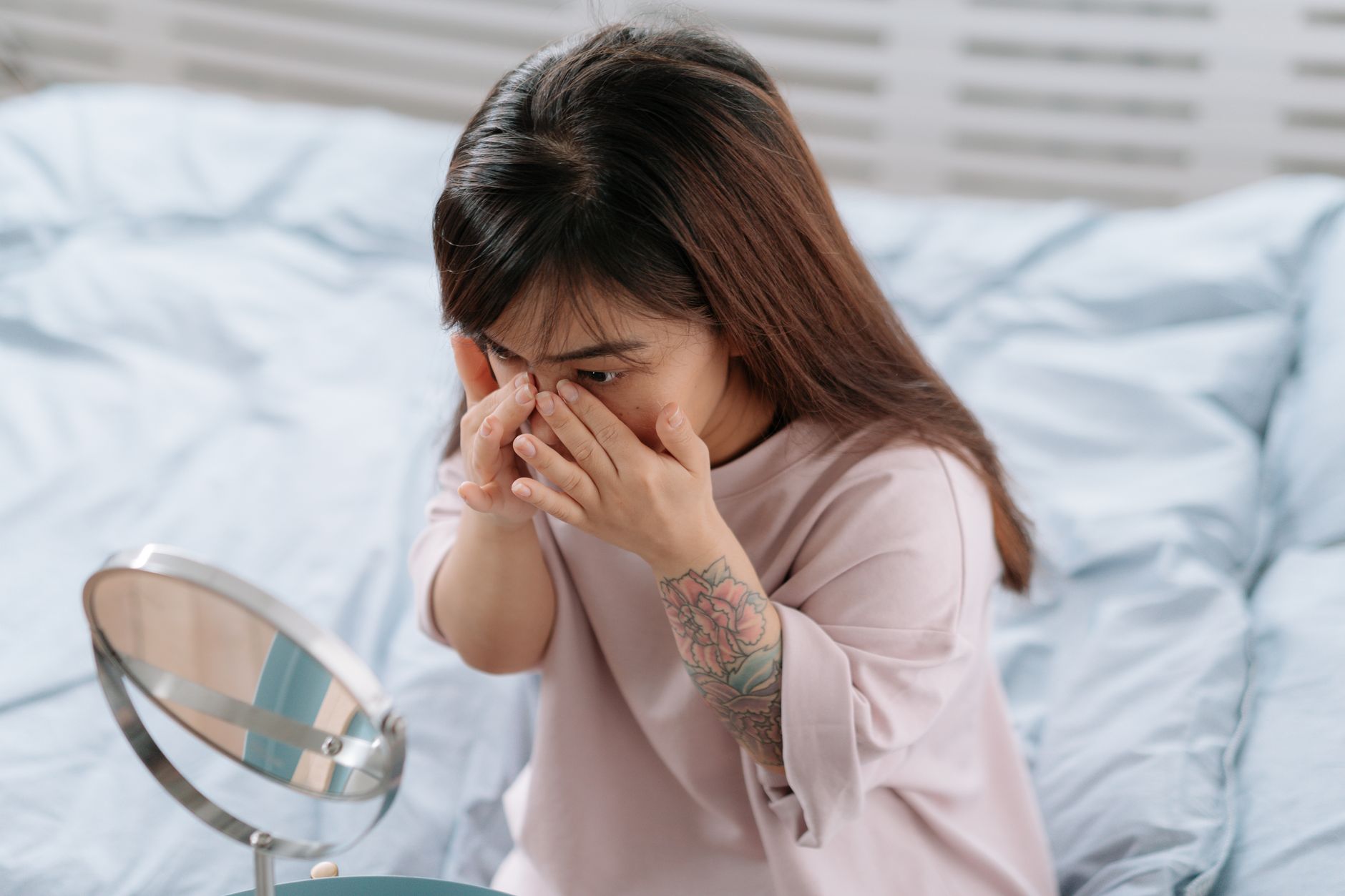
research shows teens with more severe acne carry a heavier psychological burden, especially emotional distress, anxiety, and depression. For teens with acne, that means both breakouts and the thoughts and avoidance around them deserve attention. Psychological burden here means impaired daily quality of life plus symptoms such as anxiety, low mood, poor sleep, and withdrawal from peers. Acne affects about 85% of teenagers at some point, according to Contemporary Pediatrics reporting clinical literature pediatric overview, so adolescence is a sensitive window for appearance-related stress.
Medical information disclaimer: This article is for general educational purposes only and does not provide medical advice, diagnosis, or treatment. Always consult a physician or other qualified health professional about symptoms, medications, tests, or treatment decisions.
Table of Contents
- Does more severe acne cause more distress?
- Why do looks hit mood so hard?
- What warning signs matter at any severity?
- What helps besides treating the acne?
Does more severe acne cause more distress?
More severe acne is linked to worse emotional and psychological quality of life, with heavier burden in females, adults, and people with more severe lesions. That pattern comes from a 2026 systematic review of acne vulgaris. In a large study of 9,417 children and adolescents under 18, severe acne carried higher odds of anxiety (OR 3.45), depression (OR 2.46), ADHD (OR 2.09), and insomnia (OR 1.85) versus no severe acne, according to the American Journal of Clinical Dermatology systematic review detailed Springer analysis.
The numbers describe association in groups, not a prediction for one teen. At the same time, distress does not track severity perfectly. A Journal of Clinical Medicine review found acne's burden often only partly aligns with clinician-rated severity, while impaired quality of life plus depressive and anxiety symptoms showed the most consistent links.
Why do looks hit mood so hard?
Acne can trigger shame about appearance, harsh self-judgment, and pulling away from photos, school events, sports, and dating. Avoidance brings short-term relief but keeps negative beliefs stuck. A March 10, 2026 survey of 201 young adults ages 18-29 with acne in East China found body image disturbance raised depression mainly indirectly, with psychological inflexibility and social avoidance mediating 84.1% of the total effect, according to Frontiers in Public Health the March 2026 survey.
Psychological inflexibility means rigid, avoidant coping, such as ruminating, hiding, or skipping activities because of skin. In that cohort, greater clinician-assessed severity predicted more inflexible coping. Teens may therefore feel trapped in a loop: worse breakouts prompt hiding, hiding shrinks confidence, and lower confidence deepens low mood.
What warning signs matter at any severity?
Severity alone should not gate concern. Pediatric dermatologist Nanette Silverberg reported depression in 20-25% of acne patients, anxiety in about one-third, and suicidality around 12%.
Watch for changes that last two weeks or more and interfere with school, sleep, or friendships: Take self-harm talk seriously and seek prompt medical or mental-health help. A teen with mild acne and strong shame needs support just as much as a teen with severe lesions.
- avoiding photos, mirrors, class, practice, or social plans because of skin
- tearfulness, irritability, withdrawal, falling grades, or loss of interest
- trouble falling asleep, frequent night waking, or constant skin checking
- harsh self-talk about looks, picking that worsens lesions, or talk of self-harm
What helps besides treating the acne?
Treat the skin early and consistently, and treat the stress response directly. Researchers recommend routine psychosocial screening, effective acne care, mental-health referral when indicated, and flexibility-focused support such as Acceptance and Commitment Therapy for distressed teens.
Practical steps can lower avoidance while treatment works: Most cited studies are cross-sectional and use different measures, so they show links rather than proving severe acne causes depression. Seek care sooner when distress grows, even if acne looks mild to others.
- ask the dermatologist or pediatrician about mood, sleep, bullying, and missed activities
- keep a simple routine, avoid picking, and track triggers without daily mirror checks
- rebuild one avoided activity at a time, such as practice, clubs, or family photos
- practice noticing harsh skin thoughts without obeying them, then act on values
You Might Also Like
- The 2026 Systematic Review of Acne and Quality of Life: What the Findings Mean for Teens With Acne
- Planned Home Pregnancy Testing Under the 2026 iPLEDGE Changes: Pregnancy Testing Questions for Parents of Teens With Severe Acne
- Pediatric Acne and Rosacea at the 2026 AAD Annual Meeting: When to Seek Care for Parents of Teens With Acne