
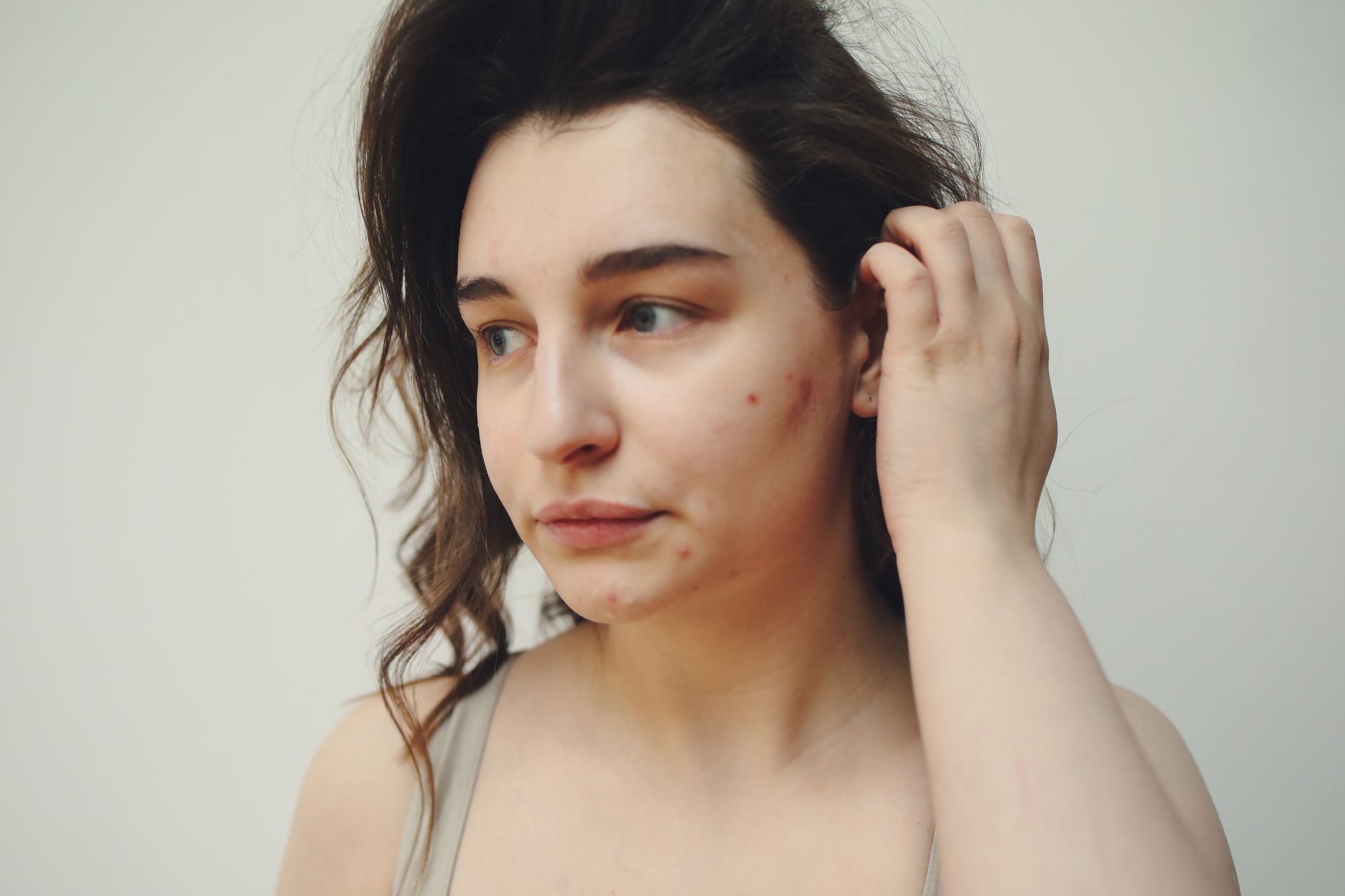
Back acne treatment works best when you pair sweat control, proven drugstore products, and medical care matched to severity. Back acne, often called bacne, means blackheads, pimples, and tender lumps on the back and shoulders. Mild cases often fade with steady washing and the right topicals, while painful or scarring cases need a dermatologist. Back skin is thicker and harder to reach, so clearing takes patience and a clear escalation plan.
Medical information disclaimer: This article is for general educational purposes only and does not provide medical advice, diagnosis, or treatment. Always consult a physician or other qualified health professional about symptoms, medications, tests, or treatment decisions.
Table of Contents
- Why does back acne form?
- What daily habits speed clearing?
- Which products should you try first?
- When do you need prescription care?
- How is severe, scarring back acne treated?
Why does back acne form?
Pores clog when excess oil, dead skin, sweat, and bacteria collect. The back has many oil glands and stays covered, so sweat lingers after work and workouts. Cleveland Clinic Health Essentials notes sweat-triggered oil can clog pores and cause pimples on the face and back in teens.
Friction makes it worse. Tight clothing, backpacks, and sports pads rub skin and trap heat. That mix explains repeat breakouts on shoulders, the upper back, and under straps.
What daily habits speed clearing?
Cleveland Clinic advises showering promptly after sweating and changing into a clean dry shirt after workouts in its practical back-acne steps. That habit removes sweat and oil before pores clog.
Teens should also wash after sweaty practices and games as routine care. Back areas clear slowly, especially with friction from gear or tight shirts. See a dermatologist if lesions are painful, keep returning, or leave scars.
- Shower promptly after workouts and heavy sweating
- Change into a clean, dry shirt after exercise
- Wear loose, breathable clothing for training
- Limit rubbing from pads, straps, and heavy backpacks
Which products should you try first?
The American Academy of Dermatology strongly recommends benzoyl peroxide, topical retinoids, doxycycline-type antibiotics, and fixed-dose combinations in its updated acne guidelines. Retinoids are vitamin A-based treatments that help unclog pores. The guidelines advise combining different topical types for better results.
Galderma announced via PatientCareOnline that adapalene 0.1% plus benzoyl peroxide 2.5% gel was cleared for over-the-counter use at age 12 and older in its FDA clearance report. That widens access to prescription-strength retinoid and benzoyl peroxide treatment. Ask a pharmacist for a back applicator if the center of the back is hard to reach.
When do you need prescription care?
UK guidance from the National Institute for Health and Care Excellence offers topical azelaic acid plus once-daily oral lymecycline or doxycycline for moderate to severe acne. It notes the oral part helps hard-to-reach areas such as the back. That option suits widespread back spots that topicals alone cannot cover.
American Family Physician states topical retinoids fit acne of any severity and maintenance use. It advises using systemic and topical antibiotics only with benzoyl peroxide plus a retinoid, for a maximum of 12 weeks. Use the combination as directed and return if irritation, pain, or scarring increases.
How is severe, scarring back acne treated?
Severe, scarring, or treatment-resistant nodular back acne is treated with oral isotretinoin. Isotretinoin is a strong oral retinoid reserved for difficult cases. Dermatologists consider it when nodules persist, merge, or scar.
Treatment requires FDA-mandated iPledge registration by patient, pharmacist, and prescriber because of teratogenicity risk. Teratogenicity means the drug can cause severe harm to an unborn child. Complete registration before filling the prescription.