
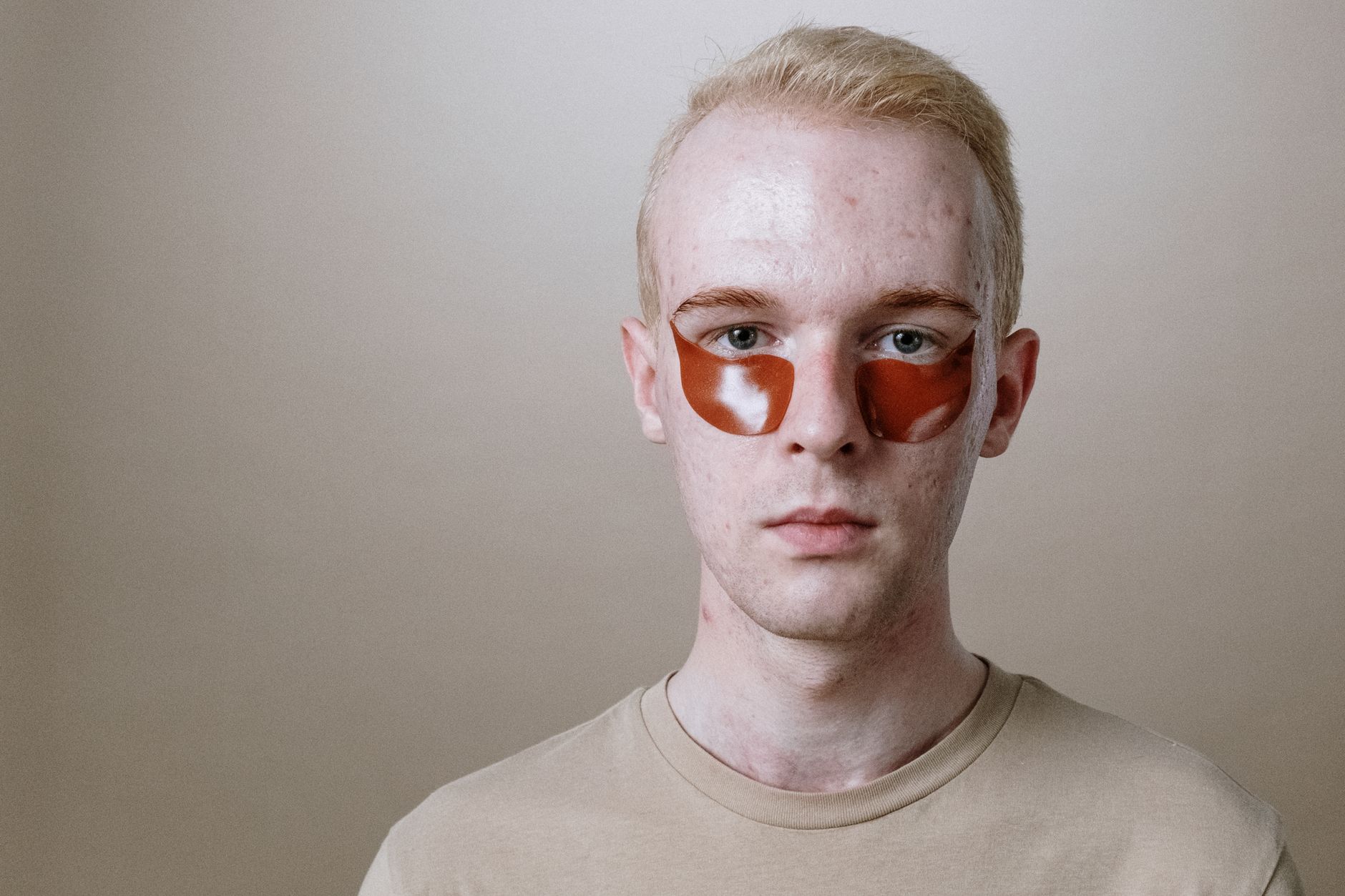
If you use an acne retinoid before fall travel, ask what level of redness, peeling, dryness, stinging or burning should prompt less frequent use or a call. Topical acne retinoids such as adapalene and tretinoin are medicines applied to the skin for acne, and early irritation is common. Ask about amount, timing, moisturizer buffering, and sun, wind and cold cover. Starting close to a trip can leave skin still in the irritation-adjustment phase while you are traveling outdoors.
Medical information disclaimer: This article is for general educational purposes only and does not provide medical advice, diagnosis, or treatment. Always consult a physician or other qualified health professional about symptoms, medications, tests, or treatment decisions.
Table of Contents
- What irritation is expected?
- How should you apply it to limit irritation?
- How do fall sun, wind and cold change the routine?
- Should you start right before the trip?
What irritation is expected?
Early treatment often causes redness, scaling, dryness, peeling, stinging or burning. FDA-approved Differin labeling lists these as common early effects Differin label. Some people also get worse-looking acne during the first month, with flaking, erythema and burning.
Ask what amount of discomfort is routine and what severity means pause use, use fewer nights per week, or contact the prescriber. Write down your normal baseline before travel. A short photo log helps you tell expected adjustment from a spreading rash, swelling, blistering or severe burn.
How should you apply it to limit irritation?
Ask whether to use only a pea-sized amount for the whole face, on clean and fully dry skin, usually once at night. More product does not clear acne faster, but it can increase irritation.
Ask whether to cleanse gently, moisturize regularly, and apply moisturizer before the retinoid as a buffer. Consistent nightly use, plus daily sunscreen, is part of making treatment tolerable. Use this pre-trip checklist with your clinician:.
- confirm the pea-sized dose, nighttime schedule, and full-face rather than spot use
- confirm cleanser and moisturizer choices for dry or peeling days
- ask when to skip a night during irritation, illness, or lost sleep
- ask what to pack for touch-ups without adding extra products
How do fall sun, wind and cold change the routine?
Tretinoin increases sensitivity to sunlight, so outdoor fall travel needs a clear cover plan. The FDA DailyMed tretinoin labeling advises minimizing sun and sunlamp exposure, using sunscreen and protective clothing, and avoiding use until sunburn recovers tretinoin labeling.
Wind and cold can also irritate treated skin. The FDA DailyMed summary for Retin-A notes this weather sensitivity and the need to discuss barrier moisturizer, hat and scarf coverage, and skipping applications during harsh-weather days Retin-A label summary. For sunscreen, the FDA consumer sun-safety page recommends broad-spectrum SPF 15 or higher even on cloudy days, liberal application to uncovered skin, and reapplication at least every 2 hours or after swimming or sweating FDA sun-safety tips.
Should you start right before the trip?
Meaningful acne improvement often takes weeks of continued use, sometimes up to about 12 weeks. A new routine started days before departure may still be at its driest or most sensitive point mid-trip. Ask whether to delay the start until after return, begin earlier with follow-up, or use a slower ramp.
Also ask how travel sleep changes, long flights, and different water or climate may affect dryness. Bring the exact product name, strength, directions, moisturizer and sunscreen you will use. Ask for written instructions on frequency cuts, missed doses, sunburn care, and when to call rather than wait.
You Might Also Like
- What Is New With Retinoids and Acne in October 2026? Latest FDA and dermatology sources and Key Takeaways
- Pretreatment Pregnancy Testing Under iPLEDGE in 2026: Access and Prescription-Window Questions for Parents of Teens With Severe Acne
- Planned Home Pregnancy Testing Under the 2026 iPLEDGE Changes: Access and Prescription-Window Questions for Parents of Teens With Severe Acne