
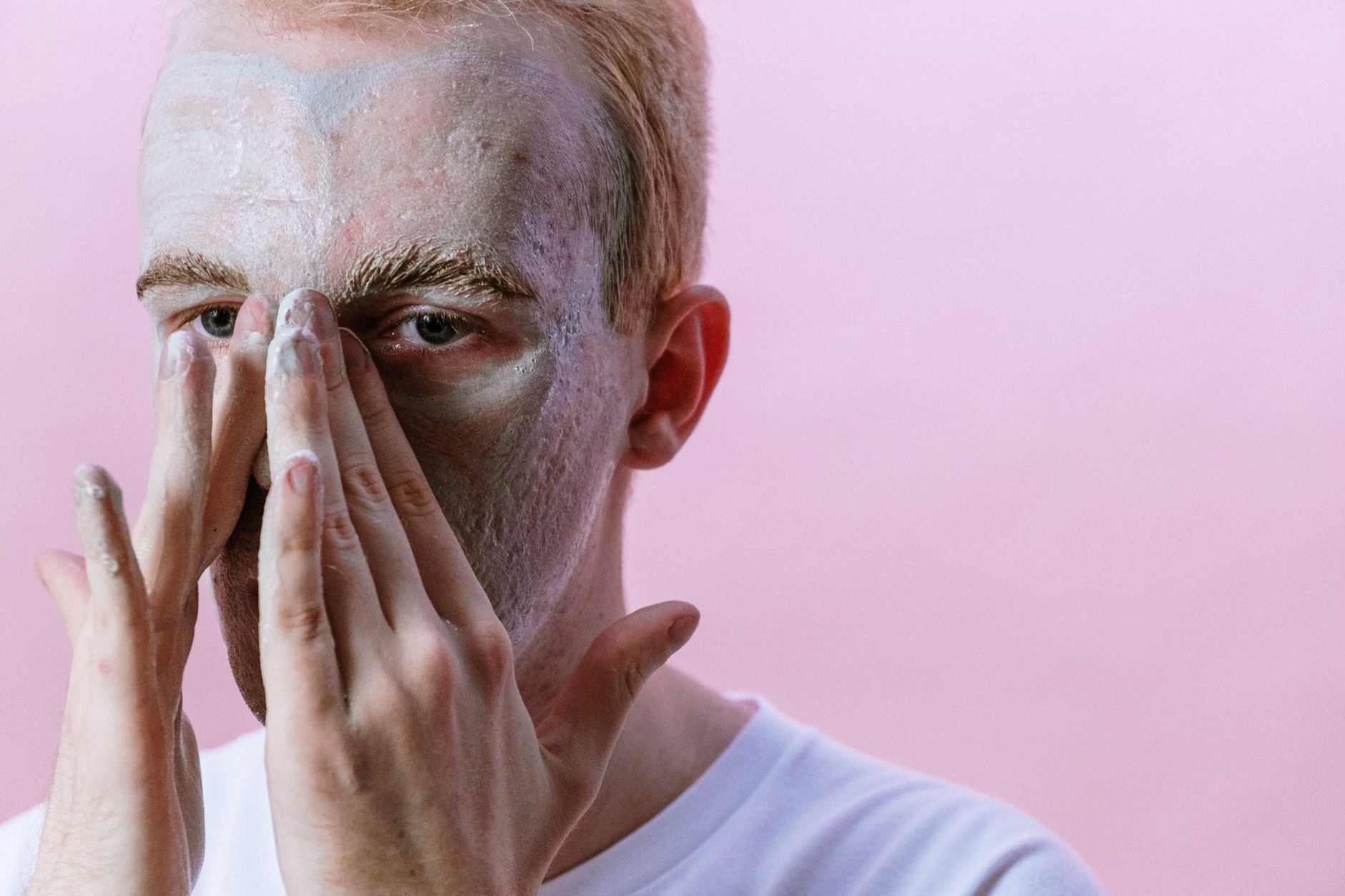
Acne face mapping is the idea that breakouts in specific facial zones reflect problems in internal organs or systems. Dermatologists say the maps lack scientific support as a diagnostic tool, while acne-friendly skin care and proven treatments offer a more reliable path forward. Curology's blog traces the concept to Traditional Chinese Medicine and Ayurvedic practice, where different facial areas were linked to internal health in its face-mapping overview. This article explains what the maps claim, where the evidence stops, and what to do instead.
Medical information disclaimer: This article is for general educational purposes only and does not provide medical advice, diagnosis, or treatment. Always consult a physician or other qualified health professional about symptoms, medications, tests, or treatment decisions.
Table of Contents
- What the map claims
- Do dermatologists use it?
- What actually drives breakouts?
- What should you do about breakouts?
What the map claims
Popular maps assign each facial zone a separate internal cause. Forehead breakouts are linked to digestion, cheeks to the lungs, and other zones to hormones, diet, or detox organs.
Reviewers note there is no robust evidence for these specific organ-to-zone connections. The pattern is easy to read, but the internal diagnosis does not follow from the pimple location.
Do dermatologists use it?
Dermatologist Dr. Leslie Baumann told NextSteps in Derm that face mapping is not backed by scientific data and is not used for diagnosis in Western dermatology in the expert Q&A.
Clinics rely on lesion type, severity, history, and response to treatment. The one widely cited exception involves the jawline and chin. Clinicians often associate persistent breakouts there with hormonal fluctuation rather than organ dysfunction.
What actually drives breakouts?
Established acne involves four interacting factors: excess sebum driven by androgens, follicular hyperkeratinization, proliferation of Cutibacterium acnes, and inflammation. Pores clog, bacteria grow, and the immune response creates redness, swelling, and pus.
Location can still give practical clues about external triggers. Oily cosmetics, waxy hair products, friction from helmets or phones, bacteria transfer from hands or pillowcases, and excess oil production can concentrate breakouts where contact is greatest.
What should you do about breakouts?
Match the response to the likely trigger first. Change pillowcases often, keep hair products off the forehead, remove makeup gently, avoid picking, and choose noncomedogenic skin care. For active acne, NHS acne guidance points to proven options such as benzoyl peroxide, salicylic acid, and retinoids like tretinoin in its acne guidance.
- Use gentle, acne-friendly cleansing and moisturizing daily
- Try one proven active at a time and allow weeks for improvement
- See a GP or dermatologist promptly for severe, painful, scarring, or persistent acne