
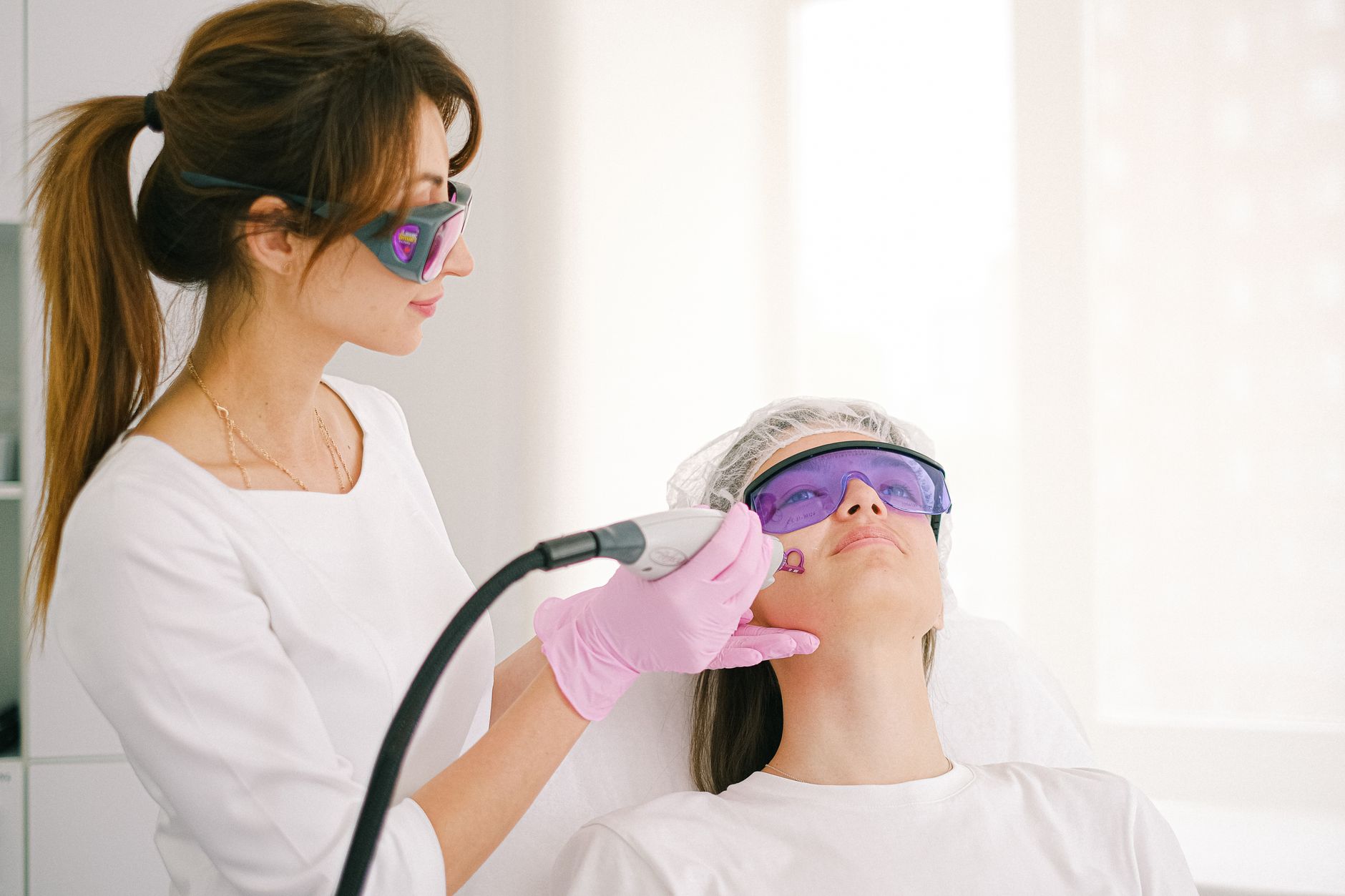
Lasers can improve acne for selected patients, but major guidelines do not recommend them for routine care and side effects are real. Treatment is usually cosmetic and paid out of pocket, so screening and cost questions matter. The 1726-nm lasers are devices that heat sebaceous glands, the small oil glands that drive breakouts, to reduce sebum and future lesions. This guide explains what studies show, who faces higher risk, and what to ask before booking.
Medical information disclaimer: This article is for general educational purposes only and does not provide medical advice, diagnosis, or treatment. Always consult a physician or other qualified health professional about symptoms, medications, tests, or treatment decisions.
Table of Contents
- What can acne lasers actually do?
- Why do guidelines still urge caution?
- What are the safety risks?
- What should you ask before booking?
What can acne lasers actually do?
Cutera's AviClear 1726-nm laser received FDA 510(k) clearance in March 2022 as the first energy device cleared for mild-to-severe acne. Business Wire/Cutera reported the clearance targets sebaceous glands to reduce sebum and future breakouts.
Accure's 1726-nm laser received FDA clearance in November 2022 for mild-to-severe inflammatory acne. Dermatology Times reported trials showing average inflammatory lesion counts fell 70% at 6 months after four treatments. A 2026 Yale-led prospective multicenter study in the Journal of the American Academy of Dermatology reported the sebum-selective 1726-nm laser safely reduced moderate-to-severe facial acne for at least one year, but it enrolled selected trial patients.
Why do guidelines still urge caution?
The American Academy of Dermatology's January 2024 acne guidelines found evidence insufficient to recommend laser and light devices for routine acne, as described in the Medscape summary of the guidelines. The Academy called for large prospective randomized placebo-controlled trials.
That caution fits earlier findings. A 2016 Cochrane review of 71 light-therapy trials, summarized in PMC in 2019, found little reliable evidence for most modalities. It found only low-certainty support for blue or green light, with small short-term effects and uncertain durability.
What are the safety risks?
Cutera lists AviClear risks as pain, redness, swelling, acne flareups, dryness, blisters, crusting, pigment change, texture change, infection, scarring and altered hair growth, according to the Cutera product safety page. Short-term redness and swelling are common, while pigment change, infection and scarring are less common but more serious.
Risk rises with darker skin when the wrong device or settings are used. Harvard Health Publishing warns lasers can worsen post-inflammatory hyperpigmentation and scarring in darker skin, and advises care by a board-certified dermatologist experienced in darker skin plus daily sunscreen, as explained in its Harvard guidance for darker skin.
What should you ask before booking?
Laser acne procedures are usually deemed cosmetic and not covered by insurance. A New York dermatology practice cost guide reports scar-laser sessions typically cost $200-$3,400 each plus multiple sessions, as detailed in this dermatology practice cost guide. Ask these questions at the consult:.
- What is my acne type and severity, and am I a good laser candidate?
- How many sessions do I need, what is the total cost, and what are alternatives?
- What device and settings will you use for my skin tone, and what are your credentials?
- What aftercare, sun protection, and flare plan do you advise, and how do you handle pigment change or scarring?