
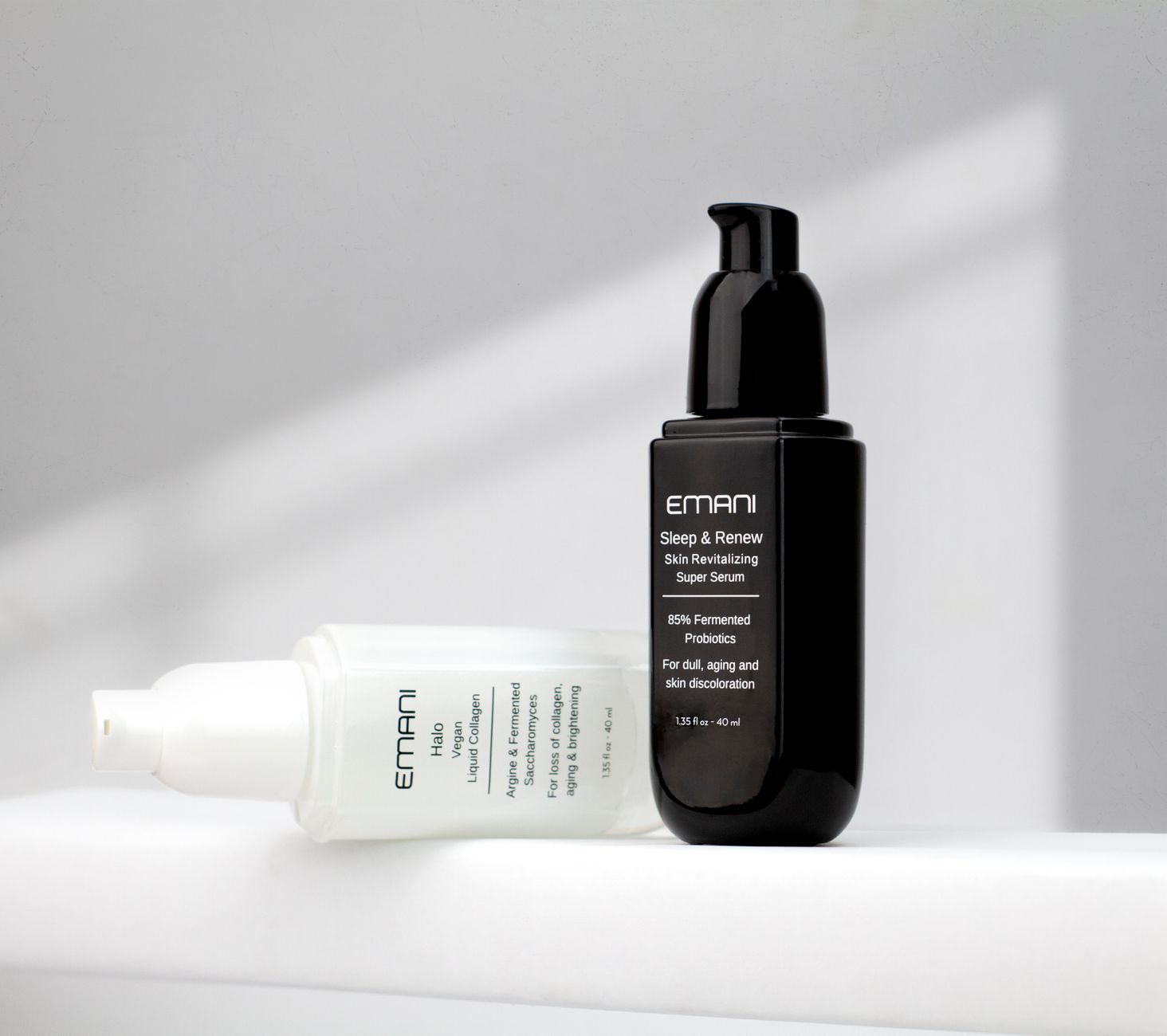
Probiotics may modestly improve acne-prone skin when added to proven treatment, but they do not replace it. The 2026 evidence points to fewer inflammatory breakouts for some adults, with mixed results across trials.
Probiotics are live beneficial microbes taken by mouth or applied to skin. Prebiotics feed those microbes, while postbiotics are their inactive products or fragments. For acne vulgaris, researchers are testing whether these biotics calm breakouts through gut-skin and skin-microbe pathways.
Medical information disclaimer: This article is for general educational purposes only and does not provide medical advice, diagnosis, or treatment. Always consult a physician or other qualified health professional about symptoms, medications, tests, or treatment decisions.
Table of Contents
- What did the largest 2026 review find?
- Do oral or topical probiotics work better?
- Why do other reviews disagree?
- Are probiotics safe for acne-prone skin?
- How should you use this evidence?
What did the largest 2026 review find?
The 33-study Dermatology and Therapy review, published by Springer Nature on 17 Feb 2026, analyzed 2,112 acne patients aged 18-33 followed for 4-25 weeks the Springer Nature review. It covered prebiotics, probiotics and postbiotics for acne vulgaris.
Pooled total-lesion reductions were -37.2% for prebiotics, -45.2% for probiotics and -49.5% for postbiotics, versus -37.0% in controls. Probiotics showed the strongest and most reproducible pattern, including mean -88.3% inflammatory and -47.9% noninflammatory lesion reductions.
Do oral or topical probiotics work better?
Oral formulas trended stronger than topical formulas in that large review. That matters because pills act through gut and immune pathways, while creams act locally on skin microbes.
A separate Clinical and Experimental Dermatology meta-analysis screened 632 records and included 9 randomized trials with 623 patients. That narrower set reflects a stricter trial-only lens, so its results differ from the broader 33-study review.
Why do other reviews disagree?
A Medicina meta-analysis of 3 double-blind trials found oral probiotics modestly reduced inflammatory counts versus placebo, according to MDPI the Medicina meta-analysis. The effect size was SMD -0.57, with 95% CI -0.94 to -0.21. A contrasting GRADE meta-analysis of 5 Lactobacillus-based trials with 332 patients found no significant reduction versus placebo or benzoyl peroxide, according to the Journal of Cosmetic Dermatology review the Lactobacillus review.
Different strains, doses, comparators and treatment lengths explain much of the split. Substantial heterogeneity also weakens certainty, with I2 at 72% in one pooled analysis. Authors rate the certainty as low to moderate and call for larger standardized trials.
Are probiotics safe for acne-prone skin?
Across reviews, biotic interventions were generally safe and well tolerated, with no serious adverse events reported. Most trials tested them as adjuncts to antibiotics, benzoyl peroxide or other standard care.
That adjunct design is important. It means safety data apply mainly to adding biotics alongside proven care, not to using them alone. People with immune conditions, severe acne or prescription regimens need clinician input first.
How should you use this evidence?
Consider probiotics only as a possible antibiotic-sparing adjunct alongside proven treatment and dermatologist guidance, not as replacement monotherapy. Keep your cleanser, retinoid, benzoyl peroxide or prescribed regimen unless your clinician changes it.
- Track inflammatory bumps and whiteheads separately for 8-12 weeks
- Note dose, oral versus topical use, and any antibiotic use
- Stop added products that sting, burn or trigger new cysts
- Bring the log to your dermatologist visit and ask about next steps
You Might Also Like
- The 2026 Global Delphi Consensus on Acne and the Microbiome: What the Research Means for People With Acne-Prone Skin
- Microbiome-Friendly Acne Care Questions Raised in 2026: What the Research Means for People With Acne-Prone Skin
- Microbiome-Friendly Acne Care Questions Raised in 2026: Evidence Limits and Open Questions for People With Acne-Prone Skin