
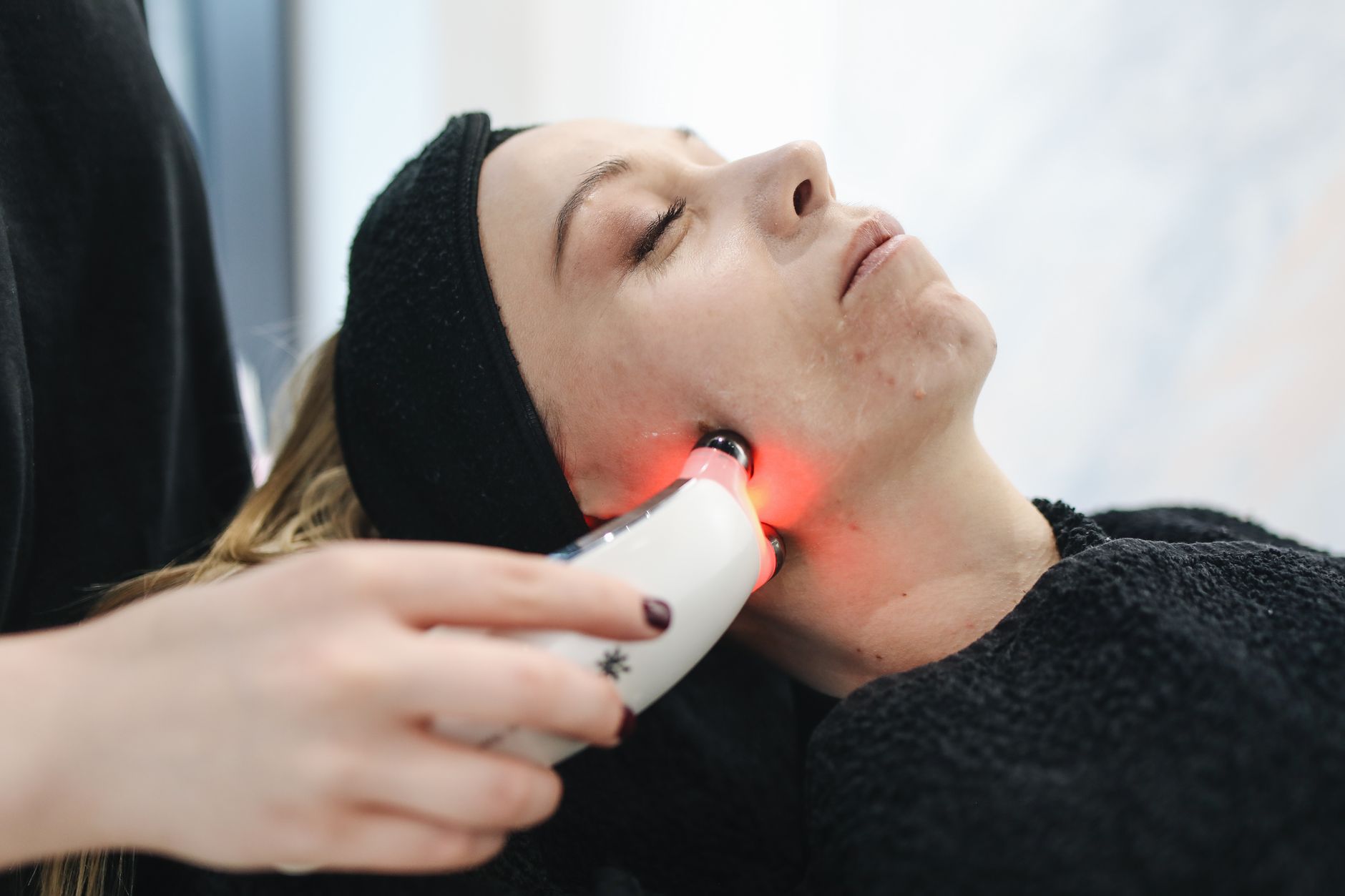
October 2026 brings clearer rules for severe acne, simpler isotretinoin monitoring in the United States, and two oral drugs moving forward outside the United States. The most useful changes for readers are Europe's updated treatment guideline and safety-program changes that take effect in August. Isotretinoin is a prescription vitamin-A-based drug reserved for severe or treatment-resistant acne. The new guidance affects people with severe inflammatory or nodular acne, women considering hormonal options, current isotretinoin users, and anyone using benzoyl peroxide.
Medical information disclaimer: This article is for general educational purposes only and does not provide medical advice, diagnosis, or treatment. Always consult a physician or other qualified health professional about symptoms, medications, tests, or treatment decisions.
Table of Contents
- What do Europe's updated guidelines recommend?
- Where do newer topicals fit?
- Is isotretinoin access changing in the US?
- What new oral drugs are advancing?
- What should you watch next, and is benzoyl peroxide safe?
What do Europe's updated guidelines recommend?
The 2026 EuroGuiDerm evidence-based acne guideline update strongly recommends systemic isotretinoin for severe papulopustular or moderate nodular acne and for severe nodular or conglobate acne, according to the Journal of the European Academy of Dermatology and Venereology published guideline update. The same update caps how long systemic antibiotics should be used and adds hormonal therapy plus spironolactone for suitable women.
For everyday care, the message is to use proven combinations first and avoid long antibiotic courses alone. Shorter antibiotic courses lower resistance risk and keep later options working. Ask your clinician whether your plan has a clear stop date and a maintenance topical.
Where do newer topicals fit?
The EuroGuiDerm reviewers also looked at newer topicals clascoterone and trifarotene. They found too little head-to-head evidence against established retinoid-benzoyl peroxide combinations to give stronger recommendations.
That does not mean the newer products fail. It means buyers should compare claims carefully and favor combinations with longer track records unless a clinician advises otherwise. Direct comparative trials are still needed before guidelines can rank them.
Is isotretinoin access changing in the US?
Yes. The FDA approved iPLEDGE safety-program changes for all isotretinoin products on 9 Feb. 2026, with effect from 9 Aug.
2026, according to the FDA announcement reported by Drugs.com the FDA approval notice. Pre-treatment pregnancy testing must still occur in clinic, while later tests during and after treatment can use clinician-approved at-home tests. The change also removes the 19-day lockout after a missed 7-day prescription window, so a repeat test can occur immediately. It also removes monthly safety-program counseling paperwork for patients who cannot become pregnant, according to the National Community Pharmacists Association.
- Missed window: retest right away instead of waiting out a lockout
- During treatment: use an approved at-home test when your prescriber allows it
- Cannot become pregnant: fewer required counseling forms each month
What new oral drugs are advancing?
China's drug regulator approved Seysara, or sarecycline hydrochloride, on 29-30 Jan. 2026 for inflammatory lesions of non-nodular moderate-to-severe acne in patients age 9 and older, according to an Almirall company press release the Almirall approval statement. It is the first oral antibiotic developed specifically for acne, with launch in China planned by Sinomune in 2026.
A second oral drug uses a different approach. Denifanstat, a fatty-acid-synthase inhibitor, met all primary and secondary endpoints in a 12-week randomized Phase 3 trial in China in moderate-to-severe acne. The 50 mg daily dose was generally well tolerated, with sustained improvement in a 240-patient 52-week open-label extension.
What should you watch next, and is benzoyl peroxide safe?
Watch whether denifanstat moves into US testing. Full 52-week extension results presented at EADV on 30 Sept. 2026 showed treatment success in 57.8 percent on continuous drug and 55.6 percent switched from placebo, with no discontinuations for adverse events.
US Phase 3 testing in moderate-to-severe acne is planned to start in the second half of 2026, so it is not FDA-approved. For benzoyl peroxide, continued use remains reasonable with cool, short storage. FDA testing in March 2025 of 95 benzoyl peroxide products found more than 90 percent with undetectable or extremely low benzene, with only 6 products recalled at retail, according to a 2026 Acne Action Canada position statement summarizing FDA results. Store tubes away from heat, replace old products, and do not bake or leave them in a hot car.
You Might Also Like
- Germany’s Updated Acne Guideline: What the October 2026 Recommendations Mean for Treatment Discussions
- The 2026 Global Delphi Consensus on Acne and the Microbiome: What the Research Means for People With Acne-Prone Skin
- Sunscreen and Acne FAQ for October 2026: Source-Checked Answers to Common Questions