
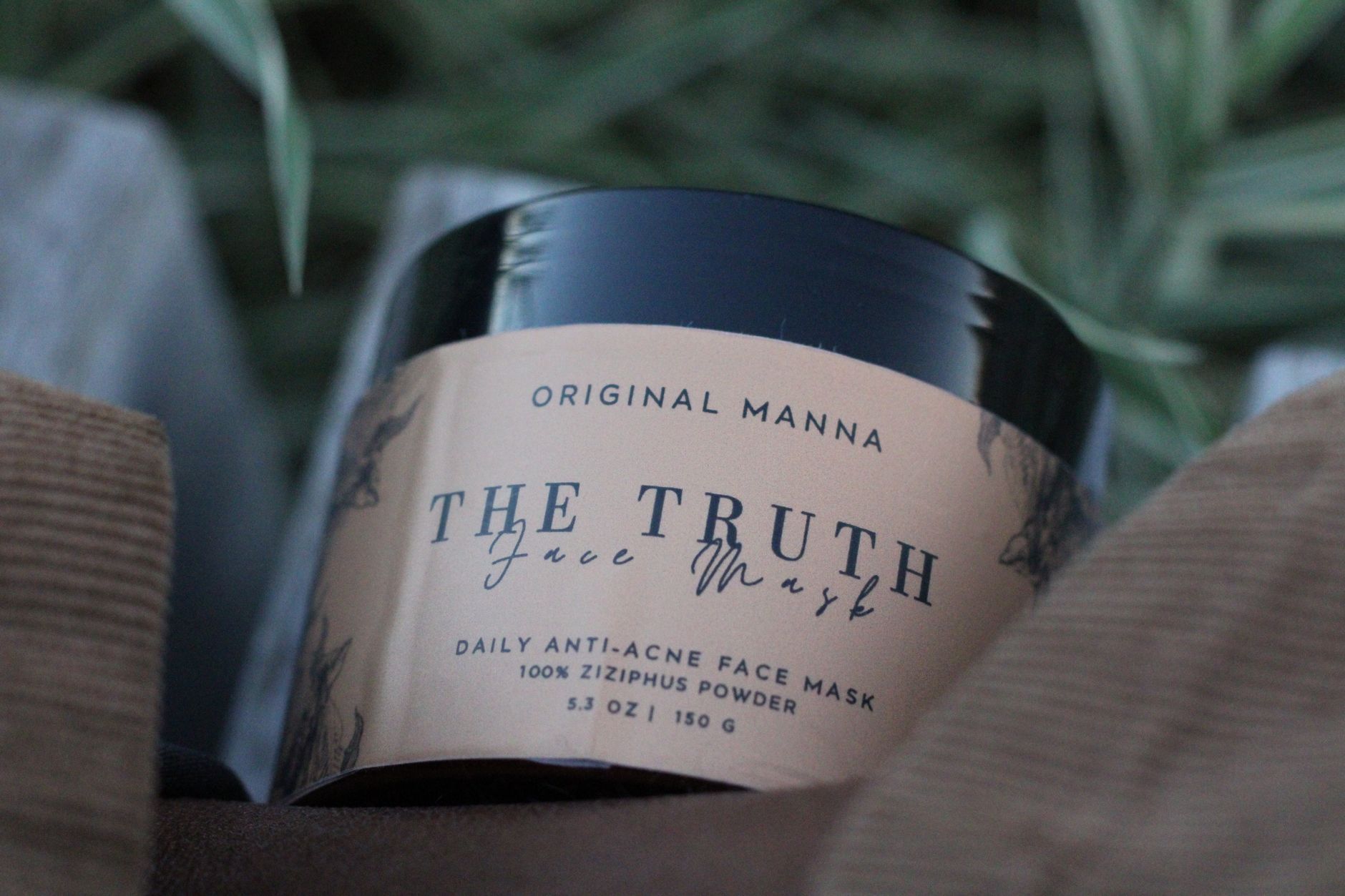
Herbal products have limited proof for persistent acne in 2026, and trial safety evidence is short-term and narrow. Persistent acne means breakouts that continue or return during adulthood. Adults weighing botanical options face mixed trial results, strong support for conventional treatments, and light supplement oversight. The practical path is to compare claims against trial limits, follow proven care, and reduce safety risks.
Medical information disclaimer: This article is for general educational purposes only and does not provide medical advice, diagnosis, or treatment. Always consult a physician or other qualified health professional about symptoms, medications, tests, or treatment decisions.
Table of Contents
- What do acne trials show?
- Which treatments do guidelines strongly support?
- Do popular social-media botanicals work?
- Why is supplement oversight a safety issue?
- How can adults reduce risk if trying an herbal product?
What do acne trials show?
Evidence-Based Complementary and Alternative Medicine published a 2022 systematic review of 34 clinical trials with 1,753 participants. It found herbal medicines reduced inflammatory and noninflammatory lesions and acne severity, calling them promising for mild-to-moderate acne but requiring higher-quality, standardized methods, as reported in the 2022 review of 34 herbal acne trials. A separate systematic review and meta-analysis in JAAD International reached a more cautious result.
It concluded there is insufficient evidence to support efficacy of complementary and alternative medicine treatments for acne or to recommend them. The contrast matters for adults with ongoing breakouts. One evidence base suggests possible benefit, while another finds the evidence too weak for treatment decisions.
Which treatments do guidelines strongly support?
The American Academy of Dermatology 2024 acne guidelines give strong recommendations only to selected conventional treatments. Those are topical benzoyl peroxide, retinoids, topical or oral antibiotic combinations, oral doxycycline, and oral isotretinoin for severe disease, according to the Academy guideline summary. No herbal therapy received a strong recommendation.
That distinction helps set expectations for persistent acne, which often needs consistent prescription-based control. Adults can use this point when talking with a dermatologist. Ask which guideline-supported option fits acne type, severity, prior treatment, and tolerance.
Do popular social-media botanicals work?
A 2026 clinical review examined chamomile, thyme, heartsease, eucalyptus, coriander, and Senna italica. Dermatology Times reported they had only laboratory activity without randomized trials confirming acne efficacy. The same review found fenugreek failed to show meaningful clinical benefit.
Laboratory activity means an effect in cells or dishes, not proof of clearer skin. For persistent acne, this leaves a wide gap between online promotion and human-trial proof. Products with only laboratory findings should not replace treatments with clinical-trial support.
Why is supplement oversight a safety issue?
The U.S. Food and Drug Administration states it does not approve dietary supplements before marketing under DSHEA. Manufacturers are responsible for ensuring safety and making claims that are substantiated and not false or misleading, as explained in the FDA supplement questions and answers. The Philippines Food and Drug Administration warned in Advisory No.
2025-1552 that food and dietary supplements are not drugs or medicines. It said they must not be advertised or used to treat, cure, or prevent any disease. National Center for Complementary and Integrative Health safety data add another caution. Long-term valerian safety is unknown, very rare liver injury occurred mostly with other herbals combined, and herbal and dietary supplements including green-tea extract account for a substantial share of drug-induced liver injury cases.
How can adults reduce risk if trying an herbal product?
A 12-week randomized, double-blind, placebo-controlled trial of Kūlaris herbal supplement for mild-to-severe acne reported good tolerability with no adverse effects. The short duration and selected participants limit generalizability, so the finding does not assure long-term safety for all adults, as described in the 12-week Kūlaris trial report.
Use these safeguards before and during use: Bring the product label to appointments, including dose, ingredients, and manufacturer. Seek prompt dermatologic care if acne is severe, scarring, painful, or worsening.
- Tell the dermatologist, pharmacist, and primary-care clinician about every herbal pill, tea, tincture, and topical.
- Ask about interactions with antibiotics, isotretinoin, hormonal treatment, liver-affecting drugs, and sedatives.
- Stop and seek care for rash, swelling, severe irritation, dark urine, yellow eyes or skin, nausea, fatigue, or abdominal pain.
- Do not delay proven dermatologic care while testing an herbal approach.
You Might Also Like
- Antioxidant Serum After Fractional CO2 Acne Scar Treatment in 2026: Sample Size and Evidence Limits for People With Atrophic Acne Scars
- Stress and Acne 2026 Guide: safety and evidence limits; Key Facts and Questions to Ask
- Cystic Acne 2026 Guide: safety and evidence limits; Key Facts and Questions to Ask