
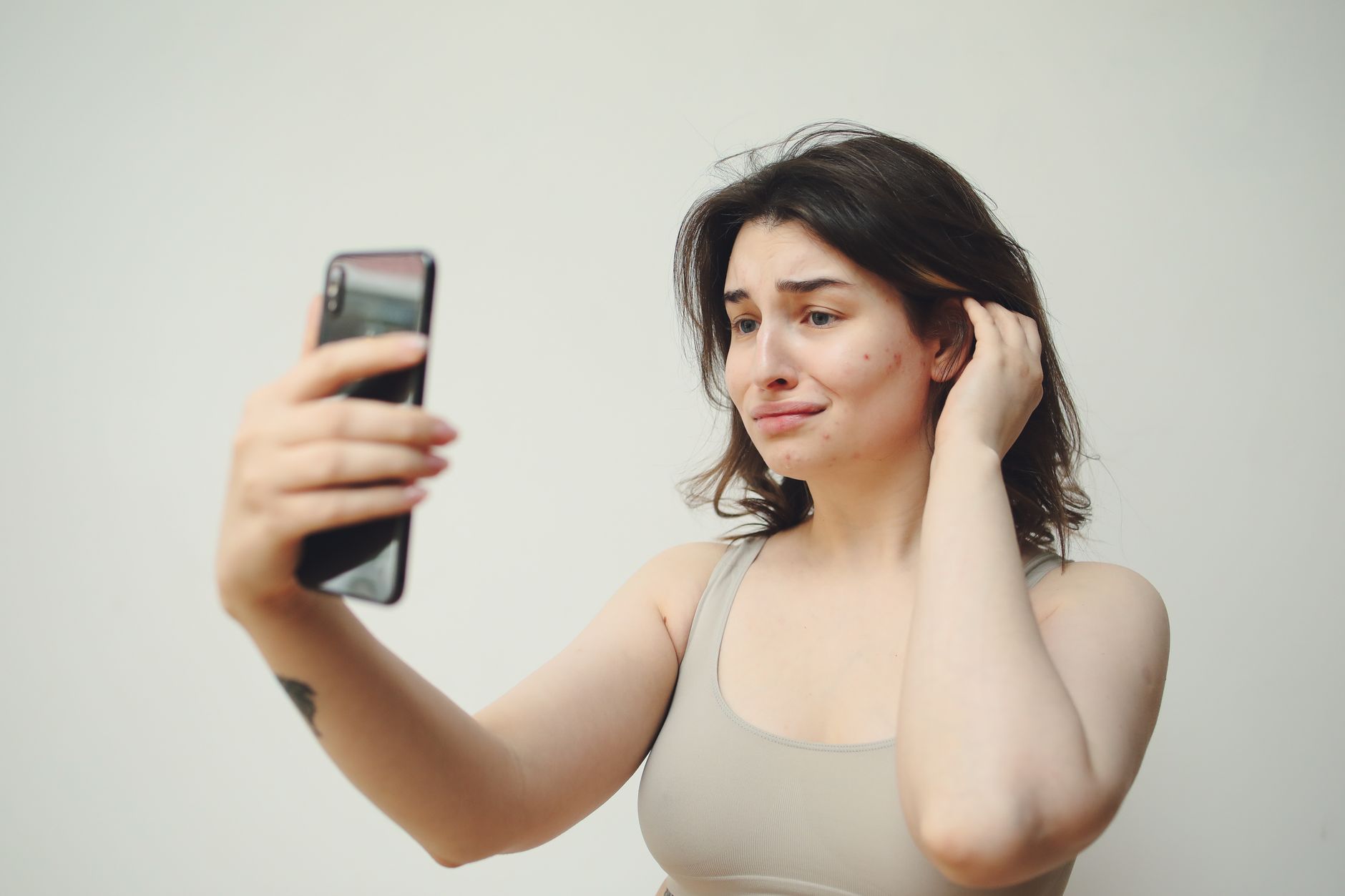
Stress makes existing acne worse, but does not cause acne alone in people without genetic, hormonal, or excess-oil predisposition. In 2026, safe care means using proven acne treatments correctly while understanding where stress evidence stops. This guide explains the link, the limits behind it, and the treatment and safety facts that matter. It also gives questions to ask before changing products.
Medical information disclaimer: This article is for general educational purposes only and does not provide medical advice, diagnosis, or treatment. Always consult a physician or other qualified health professional about symptoms, medications, tests, or treatment decisions.
Table of Contents
- Does stress cause acne or flare it?
- What does stress change in the skin?
- How strong is the stress-acne evidence?
- Which acne treatments have guideline support?
- How can you use acne products more safely?
Does stress cause acne or flare it?
Stress acts as a flare factor rather than a solo cause. Dermatology Sense summarizes that current evidence shows stress worsens existing acne rather than creating it in people with no predisposition. College students had worse acne during exam periods when perceived stress rose.
The small Stanford study linked higher perceived stress with greater severity. Teenagers show a similar pattern at larger scale. Wake Forest Baptist Medical Center reported that teens with high stress were 23% more likely to have increased severity in its March 2007 teen study summary.
What does stress change in the skin?
Stress turns on the HPA axis, meaning the hypothalamic-pituitary-adrenal stress-response system. That response raises cortisol and corticotropin-releasing hormone.
Those signals stimulate oil-lipid production, oil-gland overgrowth, and inflammation. A Dermatology Times review describes this chain as a driver of worse acne, especially in predisposed people and adult women.
How strong is the stress-acne evidence?
The link is repeated but not strong enough to prove cause. Most studies are small, cross-sectional, and based on self-reports rather than clinician ratings. One 2025 review in the Journal of Clinical Medicine notes that 50-80% of people report stress flares without matching clinician-rated change, as described in the full review document.
Perceived connection is real, but it does not prove causation. That matters for decisions. Use stress as a clue to watch for flares, not as proof that stress alone explains breakouts.
Which acne treatments have guideline support?
The American Academy of Dermatology 2024 guidelines strongly recommend benzoyl peroxide to reduce acne bacteria, topical retinoids, topical or oral antibiotic combinations, and oral isotretinoin for severe acne, according to the guideline summary from JAMA Dermatology. These options target bacteria, clogged pores, inflammation, and severe disease.
Stress habits do not replace them. Ask a clinician which option fits your severity, skin type, and prior response. Ask how long to try it before judging results.
How can you use acne products more safely?
Benzoyl peroxide safety improved after federal testing. The FDA found over 90% of 95 tested products had undetectable or very low benzene, with only a limited number needing recall, as reported in the FDA benzene testing statement.
Most products stayed considered safe when stored properly. Irritation is the more common risk with combinations. The FDA tretinoin labeling warns that using tretinoin with benzoyl peroxide, sulfur, resorcinol, or salicylic acid raises dryness, redness, and peeling.
- Pause the second product until irritation settles
- Ask about moisturizer use and morning-night sequencing
- Bring every acne wash, leave-on, and spot product to the visit
- Ask how to store benzoyl peroxide and when to replace it