
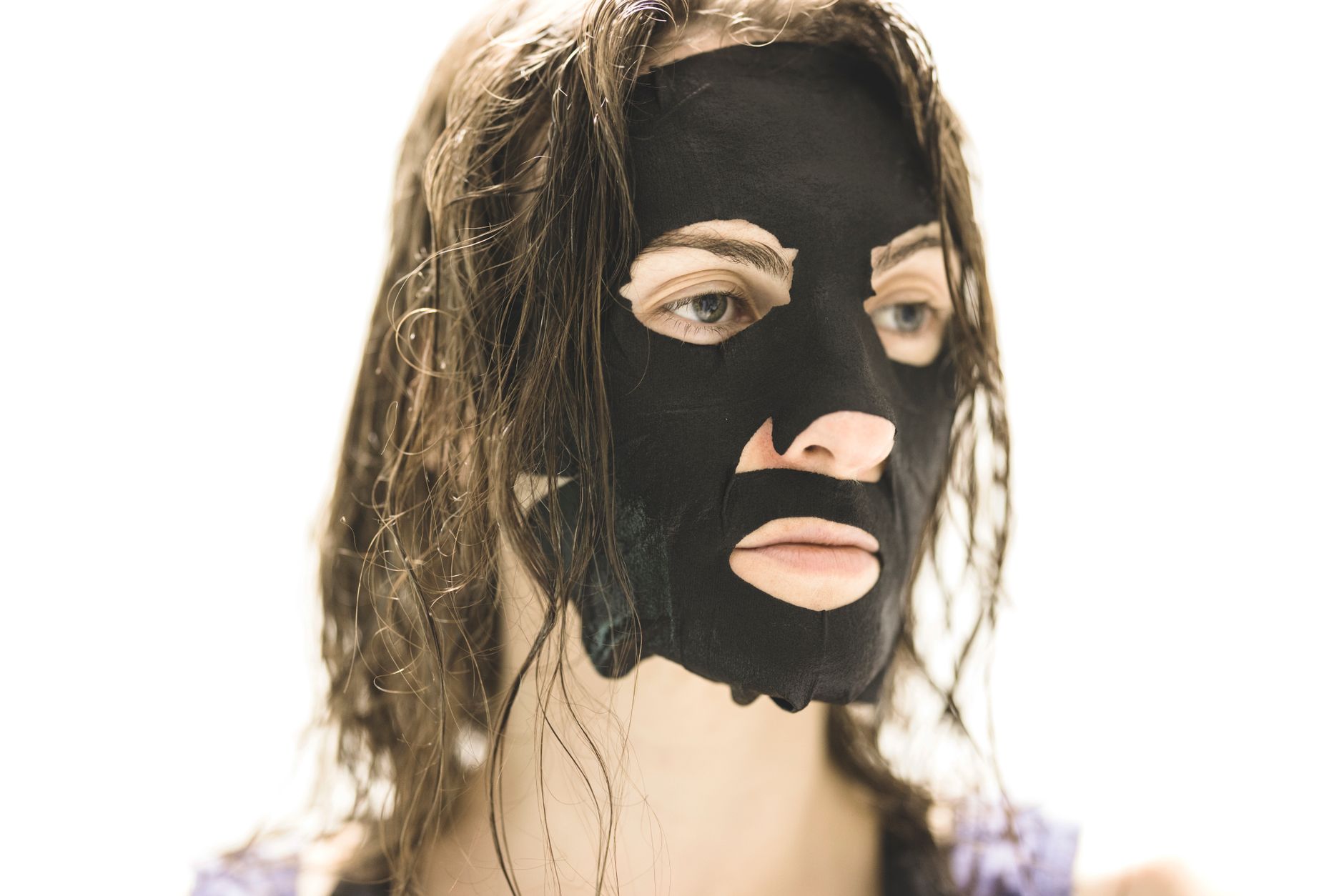
TheraFace Mask Glo helps active breakouts and mild tone issues, but it does not fill indented acne scars. Breakouts, pigment marks, and indented scars differ because they involve bacteria, color changes, and tissue loss.
TheraFace Mask Glo is an FDA-cleared LED face mask with 504 red, infrared, and blue lights and a 12-minute preset cycle, according to Therabody's product page. It offers modes for wrinkles and dark spots, collagen support, and acne bacteria. Knowing which problem you have determines what light can reasonably do.
Medical information disclaimer: This article is for general educational purposes only and does not provide medical advice, diagnosis, or treatment. Always consult a physician or other qualified health professional about symptoms, medications, tests, or treatment decisions.
Table of Contents
- What the three light modes target
- Why active breakouts respond best
- Why red and brown marks are not true scars
- Why indented scars need different care
- What to do in what order
What the three light modes target
The Glo offers red for wrinkles and dark spots, red plus infrared to stimulate collagen and firm skin, and blue to target acne and acne-causing bacteria, as described by Boots' product description. Blue light works mainly at the skin surface. Red and infrared reach deeper tissue. Blue light at about 415 nm acts mainly on Cutibacterium acnes on the skin surface, while red light penetrates deeper to calm inflammation and aid healing, according to a 2021 systematic review in Sensors.
Combination blue-red treatment improved lesions most. That split explains why the mask pairs modes rather than relying on one color. In Therabody's 12-week study of 104 adults using the mask six days per week, users showed improvements in clarity, blemishes, texture, tone, and overall appearance. Those gains fit surface-level acne and tone concerns. They do not mean deep pits were refilled.
Why active breakouts respond best
Active breakouts start with clogged pores, excess oil, and growth of acne bacteria. Inflammation then creates redness, swelling, and tender pimples. Blue light targets surface bacteria linked to those breakouts. Red light helps calm inflammation and support healing in deeper layers.
Together, they address both the trigger and the red, painful response. Practical control means fewer new spots and less picking, squeezing, and prolonged inflammation. Less inflammation also lowers the chance of lasting marks. That is why prevention comes before scar treatment.
Why red and brown marks are not true scars
Red or pink marks after acne are usually post-inflammatory erythema from healing blood vessels. Brown or grey marks are post-inflammatory hyperpigmentation from excess melanin. Neither type involves lost tissue. Both sit flat against the surrounding skin, even when the color looks strong.
They often fade over time, although sun exposure and continued breakouts can prolong them. LED light fits this category better because tone and mild discoloration can improve without rebuilding skin structure. Red mode addresses dark spots and visible tone changes. Steady breakout control helps prevent replacement marks.
Why indented scars need different care
True atrophic acne scars are textured indentations from tissue loss. Dermatologists classify them as icepick narrow-deep pits, boxcar broad sharp-edged depressions, and rolling wide shallow wavy depressions. Icepick scars look like small deep holes.
Boxcar scars look like wider square-bottomed dents. Rolling scars create uneven, wavy shading because bands below pull the surface downward. Home LED can improve tone, texture, and mild discoloration but cannot release tethered rolling scars or refill deep icepick and boxcar loss. Severe scars often need combined procedures, because light does not replace missing collagen or cut fibrous tethers.
What to do in what order
Control active breakouts first, then match treatment to what remains. That sequence prevents new damage while clarifying whether flat color or true indentation is left.
Evidence supports those in-office procedures for atrophic scars, with the choice depending on scar subtype, according to a 2023 evidence review on PubMed. A person with rolling scars may need subcision, while narrow icepick scars may need TCA CROSS or excision.
- Prevent new acne: use blue-light sessions consistently and follow a simple non-comedogenic routine.
- Treat flat color: protect from sun, avoid picking, and discuss tone-focused options for persistent red or brown marks.
- Treat dents by subtype: ask a dermatologist about fractional or ablative lasers, microneedling, chemical peels, hyaluronic-acid fillers, subcision, TCA CROSS, and punch excision.
- Seek office care sooner for deep pits, broad dents, shadows that shift with lighting, or scars that do not improve after breakouts stop.