
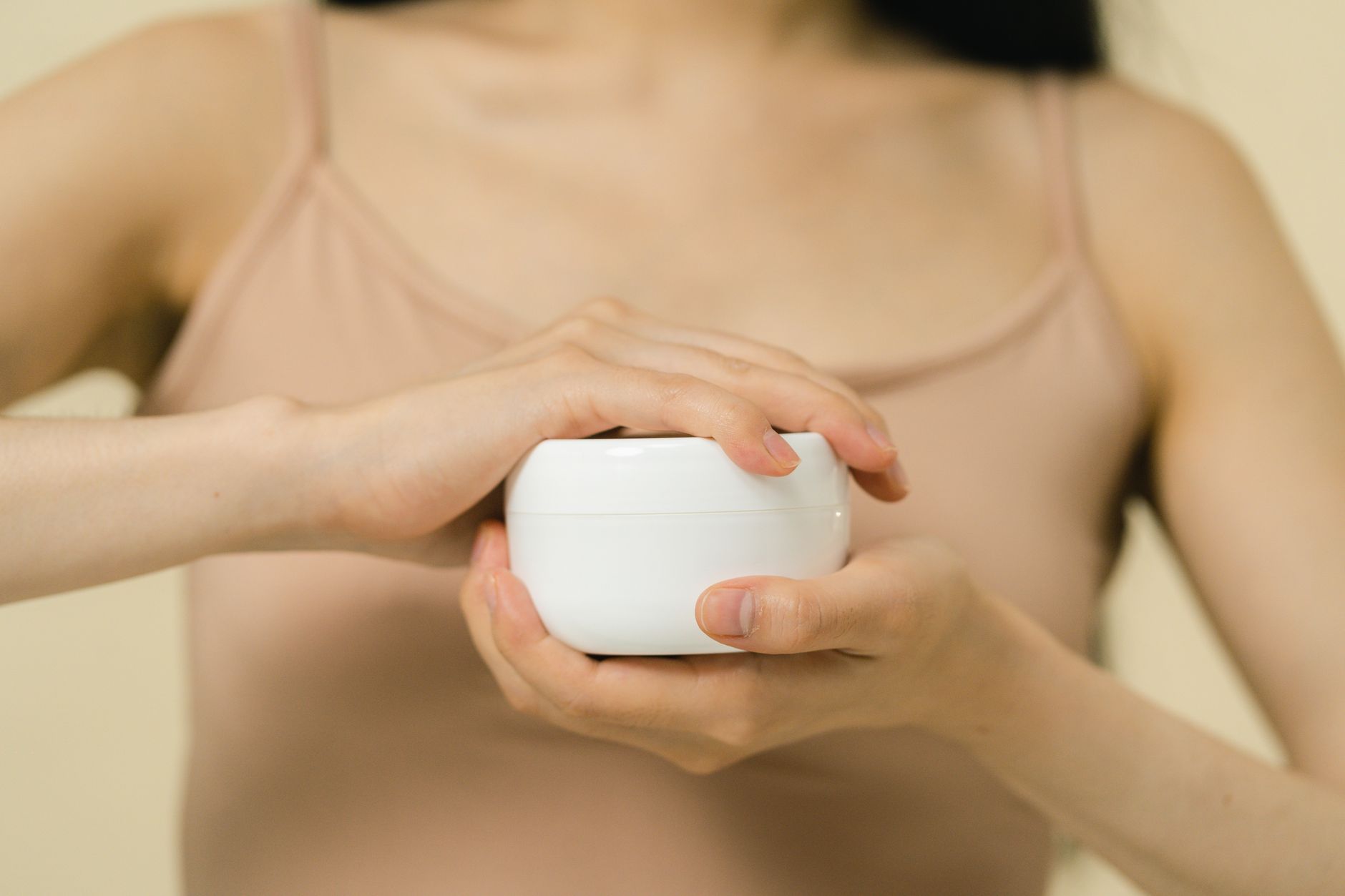
The biggest change this year is the FDA's May 2026 approval of Differin Epiduo as the first over-the-counter retinoid–benzoyl peroxide combination product, available for ages 12 and up. This reflects a broad shift in dermatology: combination therapy—using multiple mechanisms together—is now the standard approach, and moisturizers are no longer an afterthought but a required part of the regimen. Updated guidance from dermatologists and the American Academy of Dermatology now emphasizes pairing acne medications with specific moisturizers containing ceramides and niacinamide to improve both effectiveness and tolerability. These changes reflect a maturing understanding of how acne treatments work and how to help skin tolerate them without compromising results.
Medical information disclaimer: This article is for general educational purposes only and does not provide medical advice, diagnosis, or treatment. Always consult a physician or other qualified health professional about symptoms, medications, tests, or treatment decisions.
Official resources:
- Read the official guidance from NIH — Use this primary source to verify the official guidance.
- Read the official guidance from Bauschhealth — Use this primary source to verify the official guidance.
Table of Contents
- The Combination Therapy Shift
- Moisturizers as Part of the Treatment Plan
- New Drug Mechanisms Beyond Antibiotics
- Antibiotic Use Is Now Time-Limited
- When Combination Therapy Makes Sense
- Frequently Asked Questions
The Combination Therapy Shift
The 2024 American Academy of Dermatology guidelines strongly recommend topical combination therapies over single agents, requiring fixed-dose combinations with multiple mechanisms to reduce antibiotic resistance and improve adherence. Differin Epiduo's OTC approval puts this principle directly into consumers' hands: one product delivers both a retinoid (adapalene) and benzoyl peroxide, two drugs that work through different pathways.
Why does this matter? Combination therapy attacks acne on multiple fronts—retinoids promote cell turnover and reduce oil production, while benzoyl peroxide kills bacteria and prevents resistance. A single product is also simpler to use, which research shows improves adherence compared to juggling separate prescriptions.
Moisturizers as Part of the Treatment Plan
Dermatologists now recommend 2–5% niacinamide in moisturizers paired with hyaluronic acid or ceramides for acne-prone skin, addressing a gap in older guidance that often treated moisturizers as optional. This recommendation is backed by clinical evidence: an 8-week randomized trial showed that ceramide- and niacinamide-containing moisturizers demonstrably improve tolerance to topical acne treatments, with significant improvements in acne lesions when used as adjuncts to prescription anti-acne therapy.
The mechanism is straightforward. Acne medications can damage the skin barrier, causing irritation and flaking that leads patients to skip doses or stop entirely. A barrier-supporting moisturizer prevents this damage while the medication works, creating a sustainable regimen rather than a painful race against side effects.
New Drug Mechanisms Beyond Antibiotics
Three new agents represent different mechanisms for acne control. Clascoterone cream 1%, an FDA-approved sebum-reducing agent, targets oil production rather than bacteria or inflammation, offering an option for people who respond poorly to standard treatments or have antibiotic concerns.
DMT-310, a once-weekly topical IL-17A/IL-17F inhibitor, met all primary endpoints in Phase 3 trials and is positioned for OTC launch mid-2026 as the first once-weekly topical acne product, targeting ages 9+. These alternatives matter because acne is heterogeneous—no single treatment works equally well for everyone, and some people build tolerance or experience side effects. A broader toolkit gives dermatologists and patients more levers to pull when standard approaches stall.
Antibiotic Use Is Now Time-Limited
The AAD 2024 guidelines limit systemic oral antibiotic duration to 3–4 months maximum and prohibit monotherapy, requiring concomitant benzoyl peroxide and topical therapy to manage resistance. This is a marked departure from decades of open-ended antibiotic prescribing and reflects the global threat of antibiotic resistance.
If you are currently on an oral antibiotic for acne (doxycycline, minocycline, or others), confirm with your doctor whether it is paired with topical benzoyl peroxide and a retinoid—the new standard. Antibiotics alone are no longer considered adequate therapy.
When Combination Therapy Makes Sense
For most people with moderate acne, Cabtreo—the only FDA-approved triple-fixed-dose combination of benzoyl peroxide, adapalene, and clindamycin for ages 12+—or the new OTC Differin Epiduo paired with a ceramide-niacinamide moisturizer represents an evidence-backed starting point. Combination therapy works better than stepping up a single drug, requires shorter antibiotic duration, and is simpler to follow.
If your current regimen is a single topical treatment plus an oral antibiotic without topical benzoyl peroxide, ask your dermatologist whether adding a low-strength retinoid or switching to a combination product would help. The evidence now supports this approach over monotherapy.
Frequently Asked Questions
Is OTC Differin Epiduo as strong as prescription versions?
Differin Epiduo OTC contains the same active ingredients (0.1% adapalene and 2.5% benzoyl peroxide) as the prescription formulation, approved for ages 12+. Efficacy is equivalent; the difference is accessibility.
Do I need a special moisturizer if I use acne medications?
Standard moisturizers may not provide enough barrier support during acne treatment. Look for niacinamide (2–5%), ceramides, and hyaluronic acid—these are shown to improve tolerability and keep people adherent to treatment.
Can I still use oral antibiotics for acne?
Yes, but only for 3–4 months and always paired with topical benzoyl peroxide and a retinoid. Monotherapy with an antibiotic alone is no longer recommended by dermatologists.
When should I switch from single-agent treatment to a combination?
If you have not seen meaningful improvement after 6–8 weeks of a single treatment, combination therapy is the next evidence-backed step. Talk to your dermatologist about Differin Epiduo, Cabtreo, or a custom regimen combining separate products.
You Might Also Like
- What Is New With Rosacea and Acne in September 2026? Latest FDA and dermatology sources and Key Takeaways
- What Is New With Hormones and Acne in September 2026? Latest FDA and dermatology sources and Key Takeaways
- How to Verify Lifestyle and Acne Claims in 2026: FDA and dermatology sources, Evidence, and Red Flags