
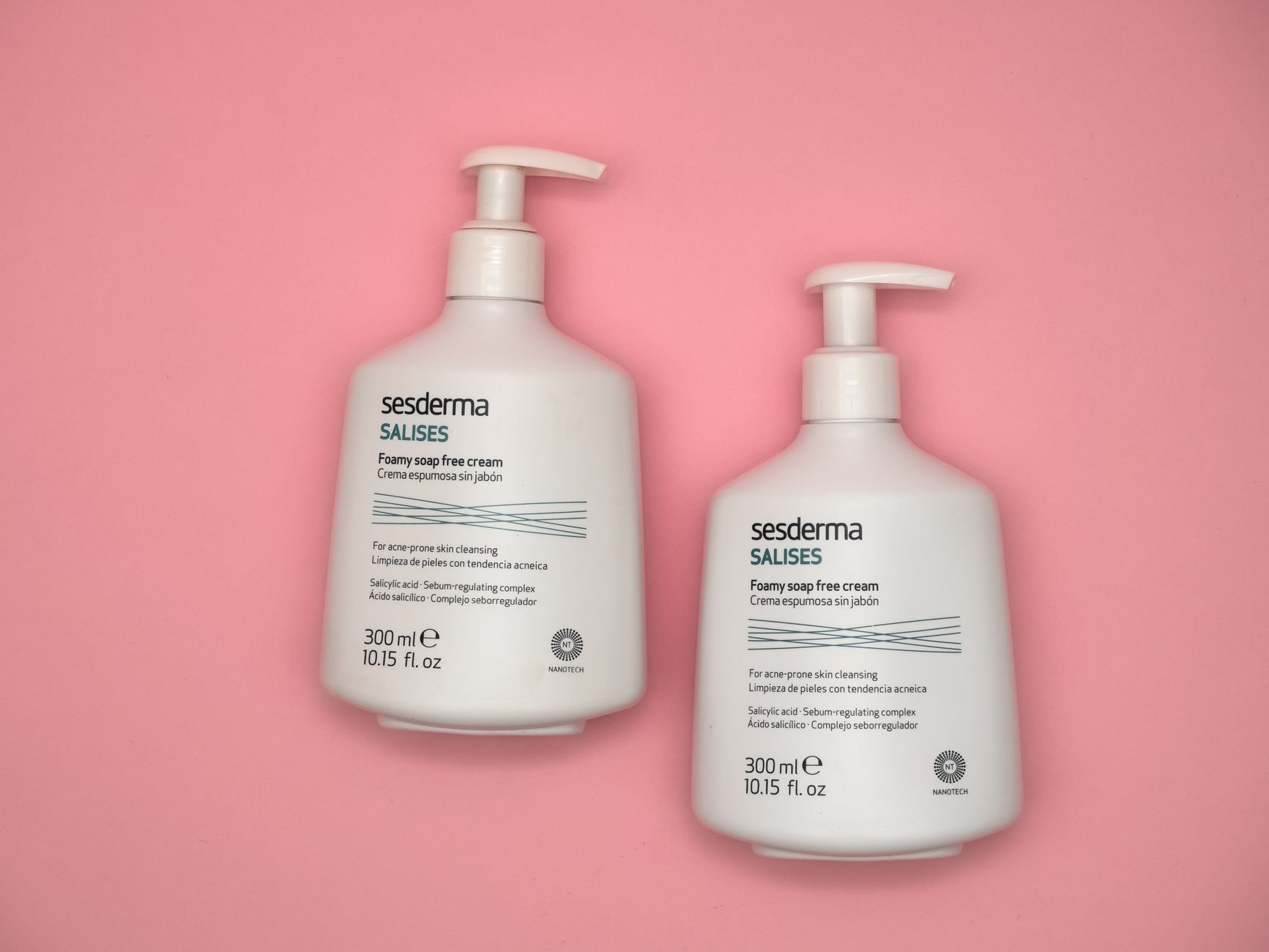
Fall's drop in humidity pulls moisture directly from skin, triggering a dehydration-acne cycle where your skin overproduces sebum to compensate. To adjust for fall, shift to ceramide-rich creams paired with hyaluronic acid and apply everything to damp skin immediately after cleansing.
According to PubMed research on humidity and skin barrier function, humidity drops below 40% during autumn and winter, pulling water directly from your skin regardless of how much moisturizer you use. This seasonal shift matters because the result is worse acne precisely when your skin needs more support. The fix isn't complicated—it's about matching your moisturizer density to the season and using the right ingredients.
Medical information disclaimer: This article is for general educational purposes only and does not provide medical advice, diagnosis, or treatment. Always consult a physician or other qualified health professional about symptoms, medications, tests, or treatment decisions.
Table of Contents
- Why Fall Triggers Acne and Dryness Together
- Ceramides and Hyaluronic Acid: The Barrier Repair Pair
- Shift Your Moisturizer Texture as Humidity Falls
- Apply Moisturizer to Damp Skin
- The Mistake That Makes It Worse
Why Fall Triggers Acne and Dryness Together
When your skin loses moisture faster than it can replenish it, sebaceous glands overcompensate by secreting excess oil. According to Yonka U.S., this compensatory oil production combined with dead skin cells clogs pores and worsens inflammation.
Lower temperatures and windy conditions independently damage your skin barrier, affecting acne-prone individuals most severely. The cycle becomes self-reinforcing: dehydration triggers sebum overproduction, which clogs pores, which causes acne, which tempts you to skip moisturizer entirely. That mistake deepens the problem.
Ceramides and Hyaluronic Acid: The Barrier Repair Pair
Ceramides are fatty acids naturally present in skin; autumn's lower humidity disrupts these lipids. According to Dermalogica's guide to seasonal transition skincare, ceramide-rich moisturizers replace depleted lipids and seal in moisture where it's needed most.
Hyaluronic acid is a humectant that draws water into skin, but it requires an occlusive (like ceramide) to lock in moisture in fall's dry air. Look for non-comedogenic formulas that pair both—these are tested not to clog pores while providing the hydration fall-prone acne needs.
Shift Your Moisturizer Texture as Humidity Falls
Dermatologists recommend moving upward in moisturizer density as fall approaches—from lotion to cream, cream to richer cream—because denser formulas slow water loss as dry air accelerates it. If you used a lightweight lotion in summer, switch to a cream.
If you already use a cream, consider a richer texture or add an occlusive layer. The goal is to build a barrier that actually holds moisture in fall's drier climate. Your skin barrier doesn't care about marketing; it cares about how much water it can trap and keep inside.
Apply Moisturizer to Damp Skin
The most underrated step in adjusting to fall is timing. According to Sanbe Beauty's fall skincare transition guide, applying moisturizer immediately after cleansing—while skin is still damp—allows the product to trap water molecules rather than sealing a dry surface.
This is especially critical in fall, when humidity outside is already working against you. Damp skin plus ceramides plus hyaluronic acid equals a moisturizer that actually delivers hydration instead of sitting on the surface. The difference is measurable within days.
The Mistake That Makes It Worse
When breakouts increase in fall, the temptation is to reduce or eliminate moisturizer—thinking dryness will somehow help. Dehydrated acne-prone skin produces even more sebum, worsening both conditions at once.
The answer is never to skip moisturizer; it's to use the right one: ceramide-rich, non-comedogenic, applied to damp skin. Fall acne doesn't resolve without this adjustment—it worsens. The cycle breaks when you apply ceramides and hyaluronic acid to freshly damp skin.