
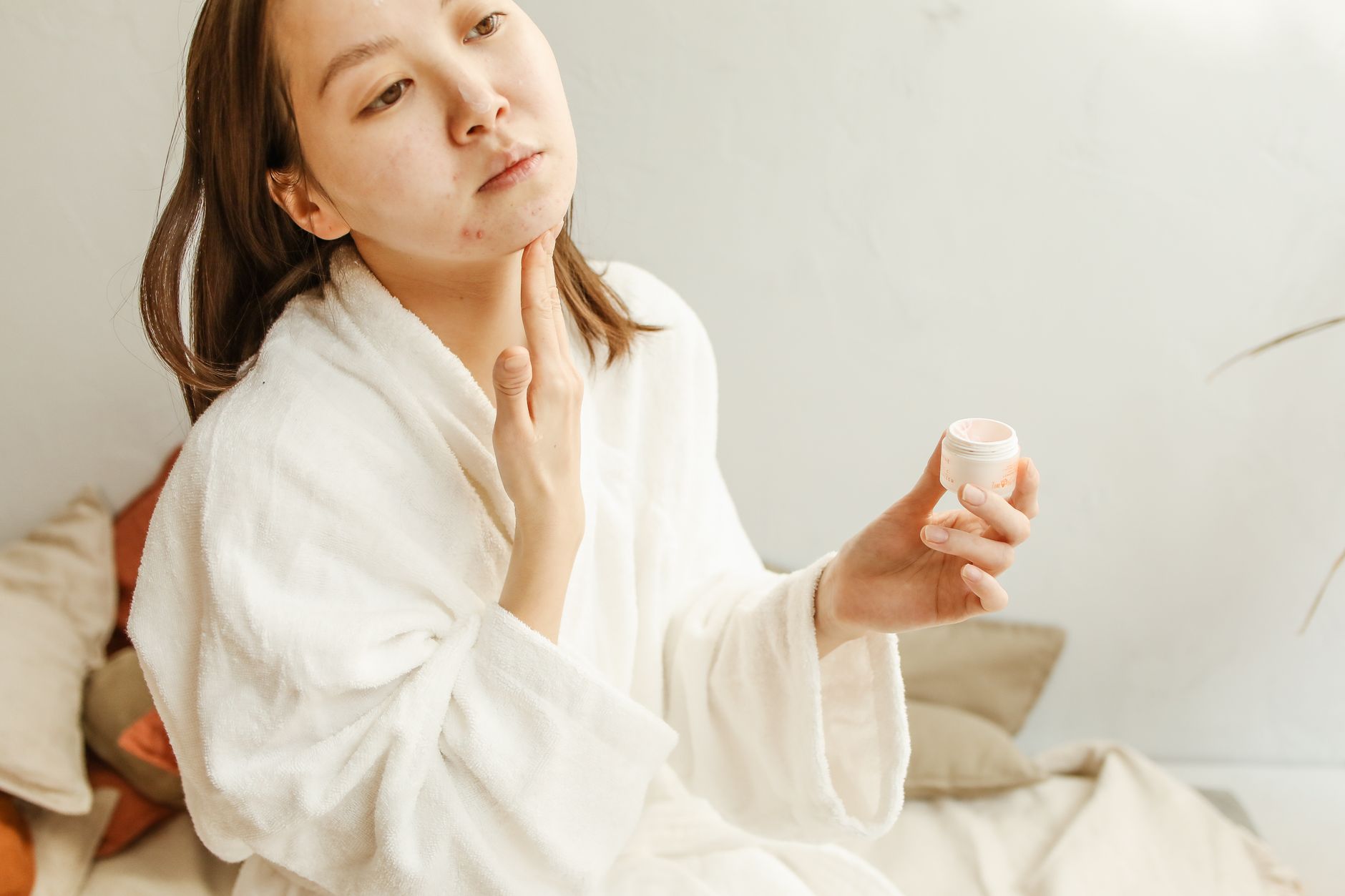
The August 2026 update brings one new rosacea medicine and a phenotype-based treatment approach, while acne's newest drug remains investigational. The changes matter because acne-like bumps may be rosacea, and each condition requires different treatment decisions. For rosacea, the next watch items involve hard-to-treat burning and ocular disease. For acne, attention has shifted to a phase 3 trial of a drug with a new treatment target.
Medical information disclaimer: This article is for general educational purposes only and does not provide medical advice, diagnosis, or treatment. Always consult a physician or other qualified health professional about symptoms, medications, tests, or treatment decisions.
Table of Contents
- Why acne-like bumps need a diagnosis
- What Emrosi adds—and what it does not
- Which rosacea problems remain unresolved?
- What changed for acne?
- What should readers do with this update?
Why acne-like bumps need a diagnosis
Rosacea is not acne. Under the phenotype-based approach, a phenotype is a visible or reported feature, such as persistent redness, bumps, flushing, or eye symptoms. Persistent facial redness or thickened skin can establish a rosacea diagnosis.
Papules and pustules, which resemble pimples, may coexist with flushing, visible vessels, and eye signs. The National Rosacea Society's updated algorithms therefore organize care around active features instead of one fixed subtype. This distinction affects treatment. Someone with bumps and persistent redness may need separate measures for inflammation and redness, while acne treatment alone may miss the underlying condition.
What Emrosi adds—and what it does not
Emrosi is a 40-mg modified-release form of oral minocycline for adults. It received FDA approval in November 2024 and reached U.S. pharmacies in March 2025. Its labeled purpose is treating inflammatory papules and pustules of rosacea, not persistent redness or every rosacea feature. In two 16-week phase 3 trials involving 653 adults with moderate-to-severe papulopustular rosacea, treatment success reached 65.0% and 60.1%.
Placebo success was 31.2% and 26.8%, respectively, according to the JAMA Dermatology trial report. Fewer darker-skinned participants were included, limiting how confidently the results apply across skin tones. Emrosi also carries tetracycline-class risks. The FDA label warns about serious hypersensitivity, liver injury, intracranial hypertension, photosensitivity, *C. difficile* diarrhea, and effects on developing teeth. Dyspepsia occurred at a rate of at least 1%.
Which rosacea problems remain unresolved?
Neurogenic rosacea is emerging as a difficult-to-treat pattern marked by persistent burning and stinging. In a small randomized study, gabapentin improved redness and flushing but did not improve burning, stinging, itching, or quality of life. That mixed result does not establish gabapentin as a broad solution.
Larger trials are needed to determine who might benefit and whether improvements extend beyond visible redness and flushing. Ocular rosacea also remains a major watch item. Tarsus Pharmaceuticals began a phase 2 trial of investigational lotilaner gel TP-04 and expects topline data in the first half of 2027. TP-04 is not an approved treatment.
What changed for acne?
The main near-term acne development is a clinical trial, not a new approval. On August 13, 2026, the FDA cleared Sagimet Biosciences to proceed with a U.S. phase 3 trial of denifanstat, a once-daily fatty-acid-synthase inhibitor. The planned study will enroll about 800 patients aged 12 and older.
It will assess clear or almost-clear skin and changes in lesion counts, according to Sagimet's trial announcement. Until phase 3 results and regulatory review are complete, denifanstat should not be treated as an available acne medicine. Current acne care still favors combination, antibiotic-sparing treatment. The American Academy of Dermatology strongly recommends benzoyl peroxide, topical retinoids, topical antibiotics, and oral doxycycline, while advising limited oral-antibiotic use with benzoyl peroxide or other topical treatment to reduce resistance.
What should readers do with this update?
Match the next step to the symptoms rather than treating every bump as acne: A useful treatment review should identify each active problem—bumps, redness, vessels, eye symptoms, burning, or thickening—and address them individually. That prevents one successful treatment from being mistaken for complete control of a condition with several distinct features.
- Ask about rosacea when bumps occur with persistent redness, flushing, visible vessels, eye symptoms, or skin thickening.
- If considering Emrosi, confirm that inflammatory papules and pustules are the treatment target.
- Review tetracycline-class risks before starting oral minocycline.
- Discuss burning or stinging separately because improvement in redness may not relieve those sensations.
- Treat denifanstat and TP-04 as research developments, not currently approved options.