
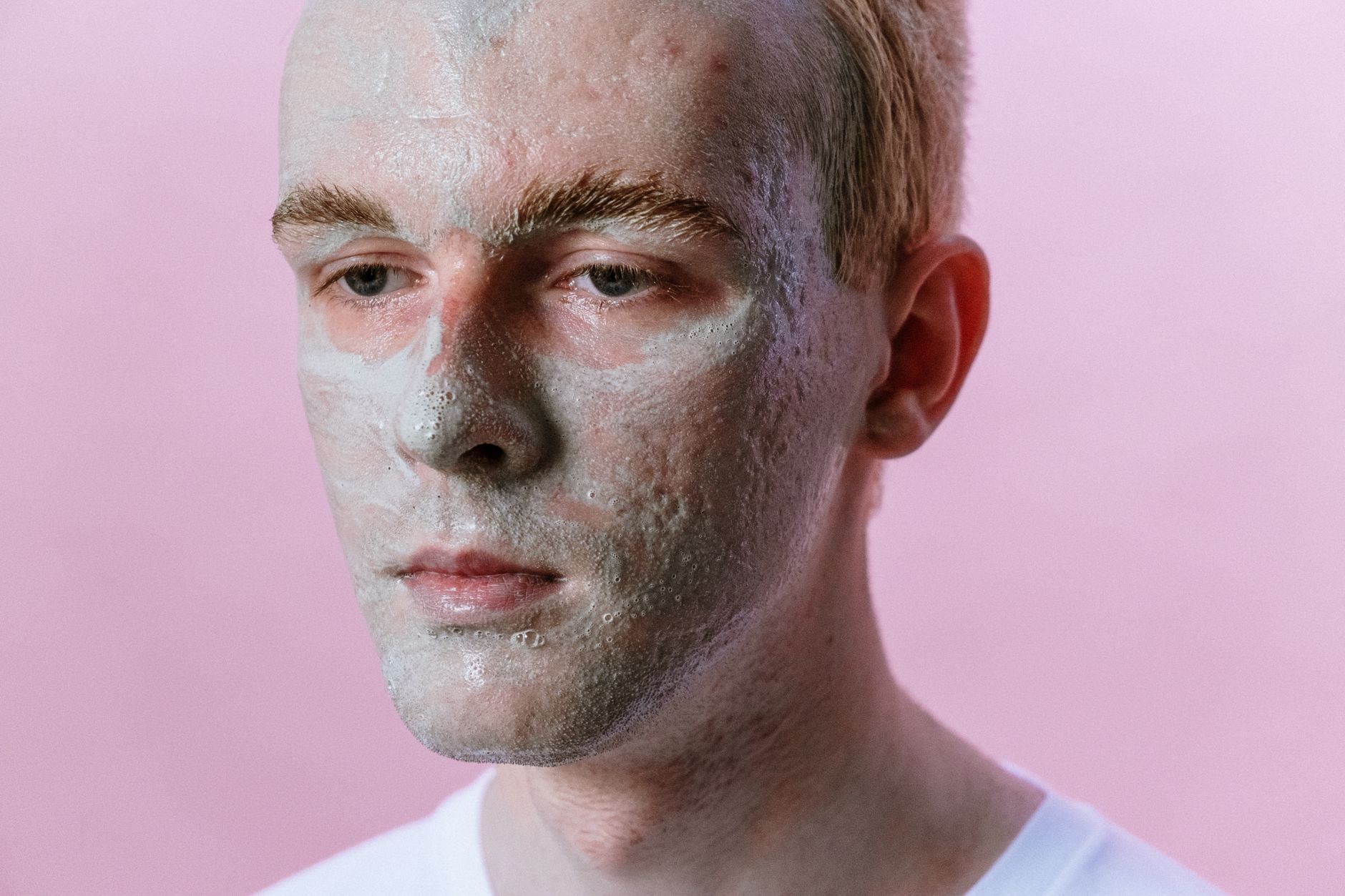
There was no field-wide "August 2026" change in how exfoliation should be used for acne. What changed was narrower: updated home-use advice in February and nonprescription access to a combination acne drug in May. Exfoliation removes surface skin cells through friction or chemical ingredients. It may help unclog pores, but stronger evidence supports established acne drugs—and excessive exfoliation can make some routines harder to tolerate.
Medical information disclaimer: This article is for general educational purposes only and does not provide medical advice, diagnosis, or treatment. Always consult a physician or other qualified health professional about symptoms, medications, tests, or treatment decisions.
Table of Contents
- Where exfoliation fits in acne treatment
- What the salicylic acid evidence shows—and misses
- Who should be especially cautious
- New access and the next safety watchpoint
Where exfoliation fits in acne treatment
The American Academy of Dermatology's main acne guideline dates to January 2024. It strongly recommends benzoyl peroxide and topical retinoids, while conditionally recommending salicylic acid because it exfoliates skin and unclogs pores.
That distinction matters. The AAD guideline announcement presents salicylic acid as an option, not the central evidence-backed treatment for acne. Exfoliation should therefore support a sensible regimen rather than replace proven acne medication.
What the salicylic acid evidence shows—and misses
The guideline's salicylic acid evidence came from one moderate-certainty randomized trial. At 12 weeks, 0.5% salicylic acid produced a 25% greater reduction in inflammatory lesions and an 11% greater reduction in open comedones than vehicle. It made no difference in closed comedones, according to the Journal of the American Academy of Dermatology guideline. These figures do not mean salicylic acid clears 25% of every person's acne.
They describe differences between groups using one concentration over a defined period. The single-trial evidence also leaves less certainty than the evidence supporting benzoyl peroxide or topical retinoids. The guideline found insufficient evidence to recommend chemical peels for acne. That includes glycolic, trichloroacetic, salicylic, Jessner's, and mandelic-acid peels. Professional treatment or a high acid concentration should not be described as guideline-proven simply because it exfoliates more intensely.
Who should be especially cautious
The AAD's February 2026 home-exfoliation update says mechanical exfoliation may be too irritating for acne-prone, dry, or sensitive skin. It suggests a washcloth with a mild chemical exfoliator and warns that aggressive exfoliation may increase pigmentation, especially in people prone to dark marks after acne. These cautions appear in the AAD's home-exfoliation guidance.
Retinoids, retinol, and benzoyl peroxide already can peel or sensitize skin. Adding exfoliation may worsen dryness or trigger breakouts, so simplifying the routine can be more useful than adding another active product. Before adding an exfoliant:.
- Check whether the routine already contains a retinoid, retinol, or benzoyl peroxide.
- Avoid aggressive rubbing if the skin is acne-prone, dry, sensitive, or prone to dark marks.
- Treat worsening dryness or new breakouts as reasons to simplify, not to exfoliate more.
- Do not assume a stronger peel has stronger acne evidence.
New access and the next safety watchpoint
On May 22, 2026, the FDA switched Differin Epiduo Acne Gel to nonprescription status for adults and children ages 12 and older. The product combines adapalene 0.1% with benzoyl peroxide 2.5%, as recorded in the FDA's prescription-to-nonprescription switch list. That access change makes routine design more important. A person can now obtain this combination without a prescription, then unknowingly add scrubs, acids, or other exfoliating products.
Because the gel contains benzoyl peroxide, the AAD's warning about combining sensitizing treatments with exfoliation applies directly. Product quality is another issue to watch. FDA testing in 2025 found elevated benzene in six of 95 benzoyl-peroxide products, according to the agency's benzene testing notice. An October 2025 FDA warning letter separately documented a manufacturer's failure to test a 2.5% benzoyl-peroxide lotion before release.