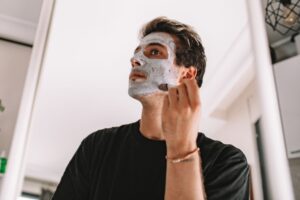
When patients struggle with acne despite following prescribed treatments, many assume the problem lies with the medication itself. However, a significant overlooked factor may be hiding in their bathroom cabinet: the cleanser they use daily. While exact statistics vary, dermatologists increasingly recognize that unsuitable cleansers contribute to treatment failure in acne patients, particularly those who don’t respond well to first-line therapies like benzoyl peroxide or topical retinoids.
The disconnect between a cleanser and acne medication can be dramatic—a patient might be using an expensive prescription treatment while simultaneously compromising it with an overly harsh or comedogenic cleanser that irritates the skin barrier and reduces treatment tolerance. The phenomenon isn’t new in dermatology, but it’s often overlooked in patient education. Many people believe that acne requires aggressive cleaning, leading them to use products that are fundamentally at odds with modern acne treatment science. A patient using a grainy exfoliating cleanser twice daily while also applying tretinoin, for instance, is essentially fighting against their own treatment protocol—the cleanser damages the barrier that the medication needs to work effectively.
Table of Contents
- How Unsuitable Cleansers Sabotage Acne Treatment
- The Clinical Connection Between Cleansing and Treatment Failure
- How Cleansing Behavior Affects Medication Tolerance
- Choosing the Right Cleanser for Acne-Prone Skin
- Common Cleanser Mistakes That Worsen Acne
- Emerging Research on Acne Kits and Integrated Cleansing
- The Role of Cleansing in Comprehensive Acne Management
- Conclusion
How Unsuitable Cleansers Sabotage Acne Treatment
The relationship between cleansing practices and acne treatment failure is rooted in skin barrier science. When patients wash their faces excessively throughout the day or use cleansers that strip moisture, they trigger irritation that manifests as inflammation and dryness. This irritation directly interferes with acne medications: a patient experiencing cleanser-induced dryness on top of tretinoin side effects may abandon treatment, assuming they’re reacting poorly to the medication when the real culprit is their twice-daily use of a bar soap designed for body washing. Abrasive scrubs and exfoliating cleansers present another common problem. Dermatological guidelines now warn against these products for acne-prone skin, as they damage the already-compromised skin barrier and can increase bacterial colonization sites.
The microscopic damage creates inflammation that makes acne appear worse, not better. Additionally, many widely available cleansers contain comedogenic ingredients—mineral oil, isopropyl myristate, and certain silicones—that trap oil and bacteria in follicles, essentially worsening the underlying condition while a patient tries to treat it with prescription medications. pH balance matters more than most consumers realize. Harsh soaps with high pH levels disrupt the skin’s acid mantle, reduce its natural protective flora, and cause irritation that reduces adherence to acne treatments. When a patient experiences burning or excessive dryness from their acne medication combined with a high-pH cleanser, they’re less likely to continue using the treatment as prescribed, leading to perceived treatment failure when the actual issue is cleanser compatibility.
The Clinical Connection Between Cleansing and Treatment Failure
Dermatologists treating acne have observed a pattern: patients who switch to appropriate cleansers while continuing their acne medications often see improvement, even when medications hadn’t worked previously. This suggests that the original “treatment failure” was partially or entirely driven by cleansing practices. Current expert consensus recommends pH-balanced, gentle cleansers as a foundational component of acne management—not an afterthought. The challenge lies in what constitutes “gentle.” A product labeled “gentle” might still contain problematic ingredients. A cleanser marketed for sensitive skin, for example, might include heavy emollients that are comedogenic, or surfactants that, while gentler than sulfates, still disrupt pH.
This confusion explains why some patients dutifully follow their dermatologist’s medication regimen but never achieve clear skin: they’re using a “gentle” product that isn’t gentle in the way acne treatment requires. Recent clinical research has begun formally evaluating this relationship. Studies on acne kits combining specifically formulated gentle cleansers with serums and medications show improved treatment tolerability and reduced irritation-related dropouts. These findings validate what experienced dermatologists have long suspected—that the cleanser is not separate from acne treatment; it’s integral to it. Ignoring this integration is a common reason prescriptions fail.
How Cleansing Behavior Affects Medication Tolerance
One of the most subtle ways cleansers sabotage acne treatment is by reducing medication tolerance. Tretinoin, benzoyl peroxide, and other first-line acne treatments are already irritating during the adjustment period. Patients need their skin barrier intact to manage this irritation without abandoning treatment. A patient using a drying, harsh cleanser experiences exaggerated side effects—redness, peeling, burning—that feel unbearable, leading them to reduce application frequency or stop entirely. The psychological component is significant.
A patient might tell their dermatologist, “I can’t tolerate tretinoin; it makes my skin feel raw and inflamed,” when the truth is they’re experiencing compounded irritation from both the tretinoin and their cleanser. By the time they schedule a follow-up appointment weeks later, they’ve already quit the treatment, convinced it wasn’t right for them. Switching to a neutral pH, genuinely gentle cleanser often resolves this issue, allowing the same medication to become tolerable. Furthermore, excessive cleansing frequency—driven by the misguided belief that more washing prevents acne—directly undermines treatment efficacy. Washing your face more than twice daily removes the skin’s natural protective oils, impairs barrier function, and increases irritation. When this behavior is combined with active acne treatment, patients often describe their skin as “getting worse,” when in reality, the treatment isn’t being given a fair chance due to the barrier damage from over-cleansing.

Choosing the Right Cleanser for Acne-Prone Skin
Selecting an appropriate cleanser requires understanding a few non-negotiable criteria. The cleanser should have a pH between 4.5 and 5.5—close to skin’s natural pH. It should be free of known comedogenic ingredients, particularly mineral oil, isopropyl myristate, and heavy silicones. The cleanser should not produce a tight, squeaky-clean feeling after use; that sensation indicates barrier disruption. Most dermatologists recommend a creamy or micellar cleanser over bar soaps or foaming formulas for acne-prone skin. Creamy cleansers tend to maintain pH balance and don’t over-strip, while micellar waters gently dissolve oil and makeup without harsh surfactants.
Foaming cleansers and bar soaps typically have higher pH and stronger surfactants, making them problematic choices despite their popularity and lower cost. This is where patient education gaps appear: affordable drugstore options often fall into the problematic category, so patients assume a more expensive dermatologist recommendation is just marketing when it’s actually addressing a real functional difference. The tradeoff involves simplicity versus efficacy. A more carefully chosen cleanser might cost slightly more and require a trip to a dermatologist or specialty retailer, but it transforms treatment outcomes. A patient spending $200 on tretinoin while using a $3 cleanser that undermines it is making a false economy. Conversely, using an unnecessarily expensive or overly rich cleanser when a mid-range option would work is wasteful.
Common Cleanser Mistakes That Worsen Acne
Beyond choosing the wrong product, application method matters. Using hot water—which many acne patients do, believing heat kills bacteria—actually damages the barrier and irritates skin. Lukewarm or cool water is preferable. Similarly, scrubbing vigorously, even with a gentle cleanser, causes irritation and inflammation. Double cleansing, a practice popular in skincare routines, can be problematic for acne-prone skin if not done carefully. Using two cleansers in sequence, especially if one is heavy or comedogenic, doubles the barrier stress.
For acne-prone individuals on treatment, a single gentle cleanse is often more appropriate than elaborate multi-step routines. The impulse to “really clean” acne-prone skin is one of the most common sources of treatment failure. Another limitation to recognize: no cleanser can “treat” acne. Cleansing is maintenance and barrier protection; it’s not a therapeutic intervention. Some patients search for a cleanser containing active ingredients—salicylic acid, benzoyl peroxide, or sulfur—hoping to streamline their routine. However, using acne medications in the cleanser form is generally inferior to prescription or targeted products, as the contact time is too brief for efficacy. This false expectation leads patients to substitute a medicated cleanser for proper treatment, delaying effective care.
Emerging Research on Acne Kits and Integrated Cleansing
The future of acne management appears to involve integrated product systems designed to work together. Clinical studies evaluating acne kits that combine gentle, pH-balanced cleansers with complementary serums show promise in improving treatment adherence and reducing irritation-related treatment abandonment. These kits acknowledge that the cleanser isn’t incidental to acne treatment—it’s foundational.
One notable area of research involves cleansers formulated with mild humectants or barrier-supporting ingredients that counteract the drying effects of acne medications. Rather than using a cleanser and then buffering irritation with separate moisturizers, these integrated approaches build barrier support into each step. Early results suggest patients experience better tolerance of stronger acne medications and fewer dropouts due to intolerable side effects.
The Role of Cleansing in Comprehensive Acne Management
Modern acne treatment is moving toward a more holistic view where cleansing, moisturizing, sun protection, and medication are viewed as an integrated system rather than separate concerns. This shift reflects the reality that acne treatment failure often involves multiple small factors—including cleanser choice—that compound into perceived drug failure.
As dermatological education improves and more patients understand barrier science, the overlooked role of cleansers in treatment success should receive greater attention. The patient who switches from an unsuitable cleanser to an appropriate one while continuing the same acne medication, only to finally achieve clear skin, validates what clinical observation suggests: that cleanser selection is not peripheral to acne treatment—it’s central to it.
Conclusion
While the exact percentage of patients whose acne worsens due to unsuitable cleansers remains difficult to quantify precisely, dermatologists consistently observe that cleanser choice significantly impacts acne treatment outcomes. Many patients labeled as “treatment failures” are actually experiencing sabotaged treatment due to incompatible cleansing practices—using products that damage the skin barrier, irritate skin, or contain comedogenic ingredients that work against prescribed medications.
The solution requires patient education and realistic product selection: choosing a pH-balanced, genuinely gentle cleanser without comedogenic ingredients and using appropriate technique. This foundational step, often overlooked in treatment discussions, frequently transforms outcomes for patients who previously believed their acne medications simply didn’t work. For anyone struggling with acne despite treatment, examining the cleanser in their routine is an immediate, cost-effective intervention worth discussing with a dermatologist.
You Might Also Like
- At Least 35% of Patients Who Failed First-Line Treatment Have Experienced Oral Contraceptives Take 3 to 6 Months to Show Acne Improvement
- At Least 48% of Patients Who Failed First-Line Treatment Have Experienced LED Light Therapy Requires Consistent Daily Use for 8+ Weeks to Work
- At Least 66% of Adults Over 25 With Acne Don’t Realize That Their Cleanser Is Making Their Acne Worse