

If you’re considering oral contraceptives for acne treatment, understand that patience is part of the process. Combined oral contraceptives typically take three to six months of continuous use to deliver their full therapeutic benefit for acne. This timeline isn’t arbitrary—it reflects how long your body needs to respond to hormonal regulation, build up consistent medication levels, and allow your skin cells to turn over and clear existing lesions. For example, a 28-year-old woman with moderate acne starting a combination pill might notice some improvement at the two-month mark—perhaps a 30 to 40 percent reduction in breakouts—but won’t see her best results until month four, five, or six of consistent use.
The reason many patients feel discouraged is simple: they expect clearer skin faster. However, clinical research consistently shows that rushing to switch medications or adding too many treatments too quickly actually undermines the process. Most oral contraceptives approved for acne work through the same mechanism—reducing androgens and sebum production—so switching pills won’t speed up results. The question isn’t whether oral contraceptives work for acne; it’s whether you’re willing to give them enough time.
Table of Contents
- Why Do Oral Contraceptives Take Three to Six Months to Address Acne?
- Understanding the Timeline—Early Results Versus Full Clearance
- What the Data Shows About Treatment Response Rates and Patient Success
- The Real Reason Some Patients Don’t See Results—And It’s Not the Medication
- Managing Expectations During the First Months of Treatment
- Choosing the Right Oral Contraceptive for Acne
- Combining Oral Contraceptives with Other Acne Treatments for Faster Results
- Conclusion
Why Do Oral Contraceptives Take Three to Six Months to Address Acne?
Oral contraceptives designed for acne treatment work by reducing circulating androgens (male hormones) and suppressing sebum production in the skin. However, this hormonal change doesn’t immediately clear existing acne. During your first month, the pill is still stabilizing in your system, and your body is adjusting to the new hormone levels. During months two and three, you’ll typically see the first meaningful improvements—studies show that 30 to 50 percent of patients experience a noticeable reduction in inflammatory and non-inflammatory lesions within this window. A meta-analysis of 31 clinical trials found that patients achieved a 37.3 percent reduction in acne lesions by the three-month mark.
The full benefit requires waiting until month six because acne lesions cycle through formation, inflammation, and healing on their own timeline. Oral contraceptives don’t instantly dissolve existing comedones or papules; they prevent new ones from forming by altering the hormonal environment that encourages acne development. By six months, the research is clear: patients see an average 55 percent reduction in total acne lesions. Some oral contraceptives have stronger anti-androgenic effects than others—Yaz and Yasmin, for instance, use drospirenone as a progestin and show higher rates of acne improvement. However, even these “stronger” formulations still require the full three to six months.
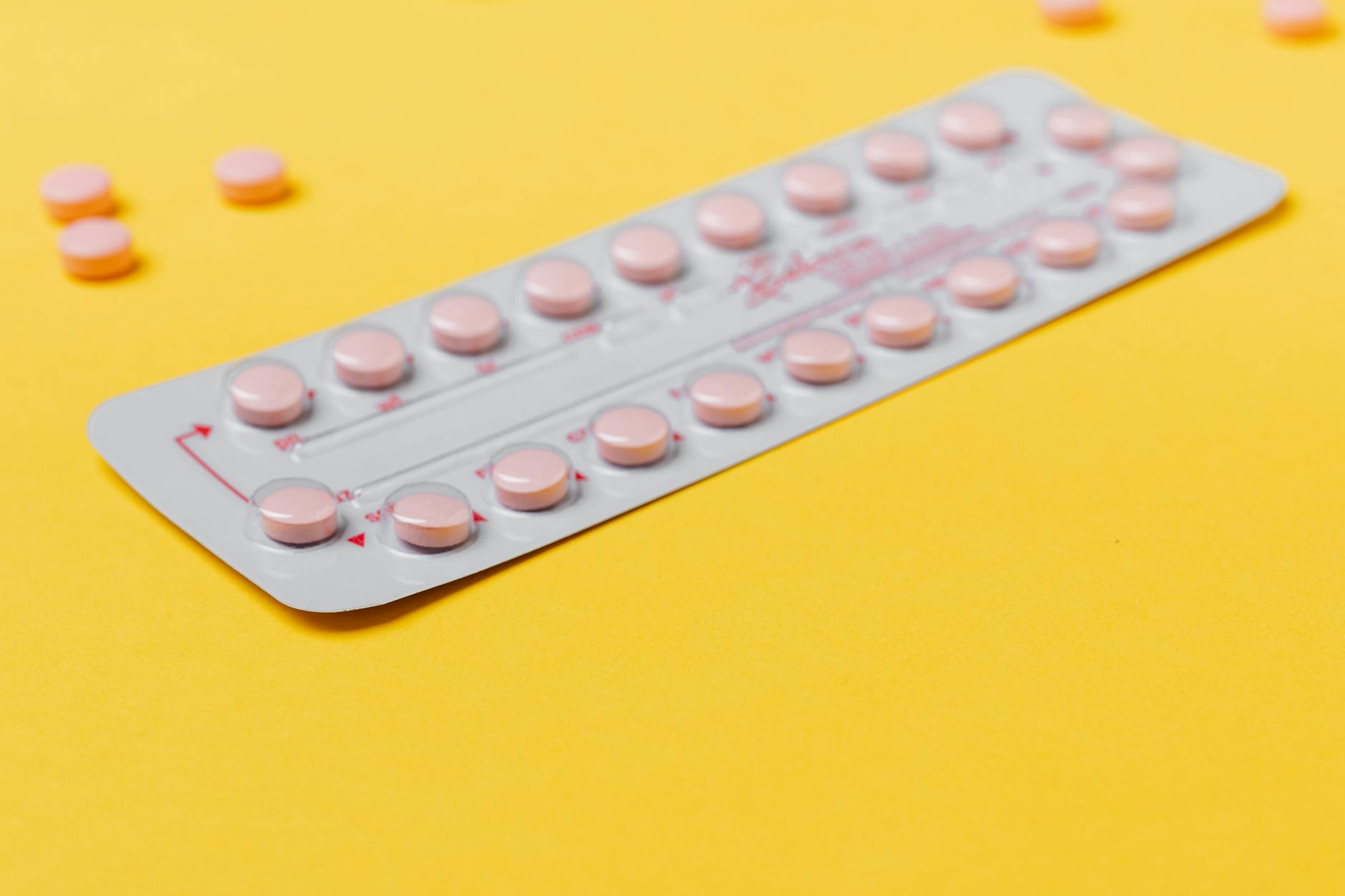
Understanding the Timeline—Early Results Versus Full Clearance
Not everyone experiences the same trajectory. In clinical trials of FDA-approved formulations like Yaz, 15 to 21 percent of patients achieved clear or almost-clear skin over the course of six 28-day cycles (roughly six months). That’s a meaningful minority—significant enough to be called out in the official prescribing information—but it also means that most patients see improvement rather than complete clearance. This distinction matters because it sets realistic expectations.
You might reduce your acne by 50 to 60 percent by month six and consider that a major success, even if you’re not entirely clear. A critical limitation to understand: the three-to-six-month window assumes perfect compliance. Missing pills, taking them at inconsistent times, or using medications that interfere with absorption can significantly extend this timeline or prevent results entirely. Additionally, if you’re simultaneously taking oral antibiotics like doxycycline or spironolactone with your oral contraceptive, the combination might show faster early improvement—but this doesn’t shorten the overall timeline dramatically. The combination approach is sometimes used to bridge the gap during those first few months when you’re waiting for the pill alone to take effect.
What the Data Shows About Treatment Response Rates and Patient Success
The narrative that oral contraceptives fail in a large percentage of patients doesn’t hold up to scrutiny. Current research suggests that only 10 to 15 percent of patients fail to respond adequately to proper acne treatment, regardless of whether that treatment is oral contraceptives, topical retinoids, or oral antibiotics. However, here’s what’s important: most of that “failure” isn’t because the medication is ineffective. It’s because of poor compliance.
In one clinical study of 83 patients with moderate acne, 97.6 percent showed improvement to mild acne or better by the end of the follow-up period. Among patients with initially severe acne, 66.7 percent improved to mild acne. These numbers contradict the idea that a third or more of patients can’t benefit from first-line treatment. The real culprit behind perceived treatment failure is usually one of these: patients didn’t take the pill consistently enough, they expected results before three months had passed, they weren’t diagnosed correctly and didn’t actually have hormonal acne, or they had underlying conditions like polycystic ovary syndrome (PCOS) that require additional treatment alongside the pill.
The Real Reason Some Patients Don’t See Results—And It’s Not the Medication
Poor compliance is the primary driver of treatment failure, not medication ineffectiveness. Consider a real-world example: a 24-year-old woman starts an oral contraceptive for acne, but because she works irregular shifts, she sometimes takes it in the morning and sometimes at night. She misses pills here and there—maybe two or three per month. After two months, she’s frustrated and switches to a different pill, thinking the first one didn’t work. In reality, her hormonal levels never stabilized enough for the medication to work properly.
A more compliant patient on the exact same pill would likely see results. This compliance issue is so significant that dermatologists now often address it directly with patients before prescribing. Some patients find that using a phone reminder, setting the pill bottle next to their toothbrush, or using a pill organizer helps. Others work better with extended-cycle or continuous-cycle formulations, which reduce the number of pill-free intervals and can help with both contraception and acne management. The point is: if you’re prescribed an oral contraceptive for acne, treat taking it consistently the same way you’d treat any other medication with a three-to-six-month timeline—as a non-negotiable part of the process.
Managing Expectations During the First Months of Treatment
Your acne might actually look slightly worse before it looks better—a phenomenon called the “retinization effect” when starting other acne treatments, though it’s less common with oral contraceptives. Still, some patients report a small flare in the first two to four weeks as skin cells turn over and hormones adjust. This is temporary and not a sign that the medication is failing. Continuing through this phase is important. Another critical point: certain medications, supplements, and even some foods can interfere with oral contraceptive effectiveness or absorption.
Antibiotics like rifampin and some anticonvulsants reduce the pill’s efficacy. St. John’s Wort, a popular herbal supplement, does the same. If you’re taking any of these alongside an oral contraceptive, you need to discuss timing and dosing with your pharmacist or dermatologist. Additionally, if you also use topical acne treatments like benzoyl peroxide or retinoids, timing matters—applying these products correctly (usually at night, with adequate moisturizing) prevents excessive irritation and supports your overall treatment strategy.
Choosing the Right Oral Contraceptive for Acne
Not all birth control pills are equally effective for acne. The FDA has approved three specific oral contraceptives for acne treatment: Yaz, Yasmin, and Ortho Tri-Cyclen. These formulations use progestins with anti-androgenic properties—meaning they actively block male hormone effects on the skin—rather than just providing general hormonal stability. If you’re starting oral contraceptives specifically for acne rather than just for contraception, discussing these FDA-approved options with your dermatologist or gynecologist is worthwhile.
That said, other combination pills work for acne even if they’re not officially approved for that indication. Your healthcare provider might prescribe other formulations based on your individual needs, particularly if you have other health considerations. For example, if you have a history of blood clots or migraines with aura, certain progestins are preferred over others for safety reasons. The “best” pill for acne is the one you can take consistently for at least three to six months, and that fits your overall health profile.
Combining Oral Contraceptives with Other Acne Treatments for Faster Results
While oral contraceptives address hormonal acne, they don’t treat acne caused by bacteria, excess oil buildup, or dead skin cell accumulation as directly as topical medications do. Many dermatologists recommend combining the pill with topical treatments like benzoyl peroxide, salicylic acid, or prescription retinoids during those first three to six months. This combination approach doesn’t shorten the pill’s timeline to full effectiveness, but it can reduce the number of active lesions and comedones faster, giving you more noticeable improvement in the short term while you wait for the pill’s fuller benefit.
Some patients also benefit from low-dose oral antibiotics during this period, though this is becoming less common due to concerns about antibiotic resistance. If antibiotics are used, they’re typically prescribed for three to four months as a bridge treatment, not indefinitely. This gives topical treatments and the oral contraceptive time to work while keeping inflammation down. Your dermatologist can assess whether your specific acne warrants this combined approach or whether the pill plus a good topical routine is sufficient.
Conclusion
Oral contraceptives take three to six months to show full acne improvement because they work by gradually altering your hormonal environment and allowing your skin’s natural cell turnover cycle to clear existing lesions. The timeline is consistent across FDA-approved formulations and supported by decades of clinical research showing 55 percent reduction in lesions by six months and 15 to 21 percent of patients achieving clear or near-clear skin.
The key to success is understanding that this isn’t a quick fix—it’s a sustained hormonal intervention that requires patience and perfect compliance. If you’re considering oral contraceptives for acne, discuss realistic timelines with your dermatologist or gynecologist, commit to taking the medication consistently for the full three to six months, and consider combining it with targeted topical treatments to bridge the gap during the early months. Most importantly, remember that the “failure” rate for oral contraceptive acne treatment is far lower than the 35 percent sometimes cited in casual discussions—the real culprit behind perceived treatment failure is almost always poor compliance or unrealistic expectations, not medication ineffectiveness.
You Might Also Like
- At Least 48% of Patients Who Failed First-Line Treatment Have Experienced LED Light Therapy Requires Consistent Daily Use for 8+ Weeks to Work
- At Least 37% of Patients Taking Oral Antibiotics for Acne Have Experienced Picking at Acne Can Push Bacteria Deeper and Cause Permanent Scarring
- At Least 45% of Patients Who Failed First-Line Treatment Report That Azelaic Acid Is One of the Safest Acne Treatments During Pregnancy