
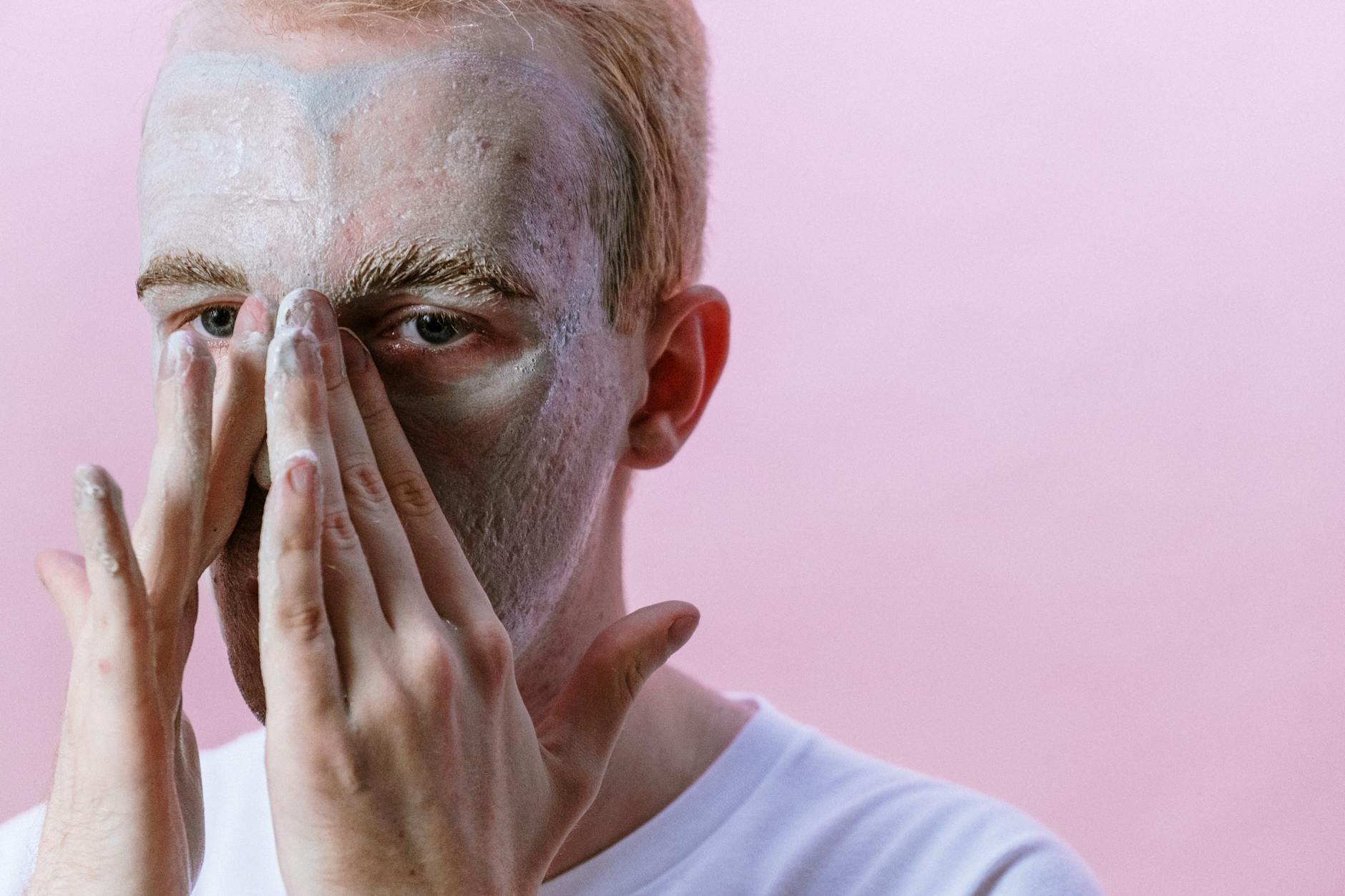
Fotona 4D treatment significantly improves acne-textured skin by using two complementary laser wavelengths to stimulate deep collagen remodeling and resurface the skin’s outer layers simultaneously. For someone with pitted acne scars or uneven skin texture, Fotona 4D minimizes the visible appearance of these marks while also addressing related issues like enlarged pores, fine lines, and skin discoloration—essentially resurfacing your skin from both inside and outside. This article covers how the technology works, what realistic results look like, the treatment timeline, what to expect during sessions, and whether Fotona 4D is the right fit for your specific skin concerns.
Table of Contents
- How Does Fotona 4D Technology Actually Work on Textured Skin?
- What Specific Skin Improvements Will Fotona 4D Deliver?
- What’s the Timeline for Seeing Results After Fotona 4D?
- How Many Treatment Sessions Do You Actually Need?
- What Are the Potential Downsides and Limitations?
- What Does Recovery Actually Look Like?
- How Long Do Results Last, and Will You Need Maintenance?
- Conclusion
How Does Fotona 4D Technology Actually Work on Textured Skin?
Fotona 4D combines two distinct laser wavelengths—the Er:YAG (erbium) and Nd:YAG (neodymium) lasers—in a single treatment system, which is why the “4D” designation reflects the multiple dimensions of treatment. The Er:YAG laser performs precision ablation and resurfacing of the outermost skin layers, mechanically removing damaged tissue and stimulating the skin’s surface renewal. Meanwhile, the Nd:YAG laser penetrates deeper into the dermis without ablating the surface, heating collagen fibers to trigger a remodeling response and tighten skin from within.
For acne-textured skin specifically, this dual-wavelength approach addresses both the surface irregularities (pitted scars, rough texture) and the underlying collagen deficiency that causes those depressions to look deep and shadowed. The key advantage of this combined approach is that you’re not just sanding down the surface—you’re also rebuilding the foundation. Traditional CO2 or older Er:YAG-only treatments might improve texture through surface resurfacing alone, but Fotona 4D’s ability to stimulate collagen contraction and new collagen synthesis means the skin underneath the scar actually fills in over time, which creates more natural-looking results than ablation alone. However, if your acne scarring is extremely deep or if you have rolling scars (broad, undulating depressions rather than sharp pits), you may benefit from additional treatments like subcision or filler beforehand to raise the scar floor before laser treatment—Fotona 4D works best when you’re addressing moderate to mild-to-moderate textural concerns.

What Specific Skin Improvements Will Fotona 4D Deliver?
Fotona 4D is clinically effective at minimizing the appearance of acne scars and textured skin marks, but the treatment also improves the overall quality and appearance of surrounding skin. Beyond scar revision, the procedure addresses pore size refinement, fine line reduction, color inconsistencies and hyperpigmentation, and general skin firmness—so if you have acne scars plus sun damage or general skin laxity, you’re treating multiple issues in one session. Many patients notice that their skin looks smoother, more unified in tone, and has a more refined texture even in areas that didn’t have obvious scarring.
One important limitation: while Fotona 4D is effective for rolling, boxcar, and ice-pick type scars, the degree of improvement depends heavily on scar depth and your skin’s healing capacity. Someone with shallow acne scars might see 70-80% improvement after a full treatment course, while someone with very deep or tethered scars might see 40-50% improvement—this is not a magic eraser for severe scarring. Additionally, if your acne scars are accompanied by significant skin laxity or loss of volume (common in older patients or those with very active acne histories), laser treatment alone may not address the volume loss component, and you might benefit from combining Fotona 4D with dermal fillers for optimal results.
What’s the Timeline for Seeing Results After Fotona 4D?
Results from Fotona 4D are not instantaneous, though many patients do notice immediate visible improvements right after their first treatment session. The skin typically appears tighter, brighter, and smoother within the first few days as swelling reduces and the laser’s immediate effects reveal themselves. However, the most significant improvements develop gradually over 2 to 3 months post-treatment as collagen remodeling continues beneath the surface and new collagen fibers lay down.
This extended timeline is actually a strength of the treatment—it means results look natural and progressive rather than dramatically “done,” and the gradual remodeling process tends to produce more stable, longer-lasting outcomes than more aggressive single treatments. The downside is that if you’re seeking quick results for an event in two weeks, Fotona 4D won’t be visibly finished by then, even though you’ll already look better. Most practitioners recommend scheduling treatments well in advance—ideally 3 months before an event you want to look your best for—to allow the full collagen remodeling cycle to complete.

How Many Treatment Sessions Do You Actually Need?
Most patients require 2 to 3 Fotona 4D sessions spaced 4 to 6 weeks apart to achieve optimal results, though the exact protocol varies based on the severity of your skin texture and your individual healing response. A single session produces noticeable improvement, but because collagen remodeling is progressive and the laser is working incrementally to reshape scar tissue, a series of treatments typically delivers cumulative results—each session stimulates additional collagen production and further reshapes the scarred tissue. The spacing of 4-6 weeks between sessions allows your skin to fully heal and the collagen remodeling from one session to stabilize before the next treatment stimulates additional changes.
Some patients with mild textural concerns might achieve their desired result after just 2 sessions, while those with extensive scarring might benefit from 3 or even 4 sessions for optimal outcomes. The comparison here is useful: if you think of Fotona 4D as a gradual skin-resurfacing and remodeling process rather than a one-and-done procedure, it’s more similar to a multi-session microneedling or PRP series than to a single laser resurfacing treatment. Your dermatologist will reassess your skin after each session and may adjust the final session number based on your response—if you’re seeing excellent results after 2 sessions, you may not need a third.
What Are the Potential Downsides and Limitations?
While Fotona 4D is well-tolerated by most patients, it does come with downtime and recovery considerations. After treatment, expect 5-7 days of visible redness, potential swelling, and a sensation that feels like a mild to moderate sunburn—this is the expected inflammatory response and actually indicates the laser is working. Some patients experience temporary hyperpigmentation or hypopigmentation during the healing phase, which typically resolves, but darker skin tones should be aware of this risk and discuss it with their provider. Because the treatment involves thermal injury to the skin, you need to be diligent with sun protection for at least 4 weeks post-treatment to prevent complications and allow proper healing.
Another consideration: Fotona 4D works best on skin that’s currently acne-free or well-controlled. If you’re still getting active breakouts, treating the scarring is premature because new pimples will create new scars, and post-inflammatory hyperpigmentation from active acne can complicate the healing process after laser treatment. Additionally, if you have very sensitive skin, certain skin conditions like rosacea or eczema, or if you take medications that affect skin healing (like isotretinoin/Accutane), you’ll need special precautions and should discuss this thoroughly with your provider before committing to treatment. The cost is also a factor—treatment packages range from $899 for a single 4D session to $1,400-$1,800 for enhanced 6D and 8D versions—so this is a significant investment, especially when multiple sessions are needed.

What Does Recovery Actually Look Like?
The recovery process after Fotona 4D is moderately intensive compared to gentler treatments but less intensive than more aggressive surgical resurfacing. Immediately after treatment, your skin will be visibly red, warm, and potentially swollen—this is temporary and typically subsides significantly within 3-5 days, though some mild redness can persist for 7-10 days. You’ll need to use gentle, fragrance-free cleansers, avoid exfoliation and active ingredients, and apply protective moisturizers and broad-spectrum sunscreen religiously.
Many patients describe the sensation as similar to a significant sunburn—uncomfortable but manageable with proper care. During the first week, avoid intense exercise, heat exposure (hot showers, saunas), and anything that increases blood flow to the face, as this can prolong redness and increase the risk of complications. By day 7-10, most patients are comfortable returning to normal activities and wearing makeup again, though continued sun protection remains essential. One practical tip: if you have an important meeting or social event, plan to have your treatment done at least 10-14 days beforehand—while you’ll look better after a few days, you won’t be fully healed for about two weeks.
How Long Do Results Last, and Will You Need Maintenance?
Results from a complete Fotona 4D treatment series (typically 2-3 sessions) are durable because the laser stimulates actual collagen remodeling and structural improvement in the skin rather than simply providing temporary cosmetic coverage. Most patients enjoy improved texture and scar appearance for 2-3 years or longer after completing their initial series. However, because the underlying causes of skin aging—sun exposure, time, gravity—continue to affect your skin, maintenance treatments may eventually become desirable.
Some patients choose to do a single maintenance session every 1-2 years to sustain results and continue stimulating collagen, while others find that their results remain stable enough that they don’t need additional treatment for several years. The good news is that Fotona 4D isn’t a treatment you need to repeat constantly to maintain the benefit—the collagen remodeling is genuine structural improvement, not a temporary effect. As you age and your skin changes, you might eventually benefit from follow-up sessions, but this is an occasional maintenance choice rather than an ongoing requirement.
Conclusion
Fotona 4D treatment works for acne-textured skin by combining two complementary laser technologies to stimulate collagen remodeling deep in the skin while also resurfacing the outer layers, which collectively minimizes the appearance of acne scars and improves overall skin texture, pore size, tone, and firmness. Results typically require 2-3 sessions spaced 4-6 weeks apart, with visible improvements emerging gradually over 2-3 months as collagen remodeling completes—most patients can expect significant and lasting improvements in skin texture and scar appearance without needing ongoing treatments.
If you’re considering Fotona 4D, the key steps are: first, ensure your acne is controlled or resolved before treatment to avoid new scarring; second, schedule treatment well in advance of any important events since full results take 2-3 months to develop; and third, connect with a board-certified dermatologist or aesthetic provider who has specific experience with Fotona technology and your particular type of acne scarring. Recovery is manageable with proper aftercare, and the results are stable enough to make the investment worthwhile for most people with persistent acne texture concerns.