

New acne products are shifting toward gentler formulations specifically designed for daily use, reflecting a major market change driven by dermatologist input and consumer demand for effective treatment without excessive irritation. The global acne skincare market is booming—valued at $12.8 billion in 2026 and projected to reach $18.6 billion by 2033 at a compound annual growth rate of 5.5%—and manufacturers are responding by prioritizing tolerability alongside efficacy. This surge in gentle daily-use products is happening because consumers and dermatologists alike have recognized that stronger doesn’t always mean better; sustainable acne control requires products people can actually use long-term without compromising their skin barrier. The market’s shift is evident in recent product launches.
Neutrogena launched its Evenly Clear™ collection in February 2026, marking the first acne care line specifically designed for adults and co-created with leading dermatologists. This six-product range includes cleansers with 2% Salicylic Acid combined with MicroClear® Technology, BarrierCare® Technology, and Polyhydroxy Acid (PHA)—ingredients chosen explicitly to treat acne while maintaining skin health. The collection also features a daily retinoid (Adapalene 0.1% gel at $17) and an Acne Gel Moisturizer with salicylic acid plus barrier-supporting ingredients like pre- and post-biotic complexes. This article explores why gentle daily-use formulations are becoming the standard, what specific ingredients dermatologists recommend, how to use these products effectively, and what to expect when starting a new regimen.
Table of Contents
- Why Are Dermatologists Recommending Gentler Acne Products for Daily Use?
- What Gentle Ingredients Are Most Effective for Daily Acne Treatment?
- How Do 2026 Trends in Acne Treatment Differ from Previous Years?
- How Long Does It Take to See Results from Gentle Daily-Use Acne Products?
- What Are Common Pitfalls When Using Gentle Daily-Use Acne Products?
- How Do Gentle Acne Products Fit into a Broader Skincare Routine?
- What’s the Future of Acne Treatment as Gentle Products Dominate the Market?
- Conclusion
- Frequently Asked Questions
Why Are Dermatologists Recommending Gentler Acne Products for Daily Use?
For decades, acne treatment often relied on the assumption that stronger formulations meant faster results. However, dermatological research and real-world patient outcomes have revealed a different truth: harsh products often cause irritation, dryness, and barrier damage, which actually worsen acne over time and create cycles of sensitivity that make long-term treatment difficult. Gentle daily-use products work within the skin’s natural tolerance, allowing people to maintain consistent treatment without frequent breaks or skin reactions. This approach is especially valuable for adults, who often have combination skin or underlying sensitivities, and for anyone with a compromised skin barrier from prior over-treatment or conditions like rosacea.
The American Academy of Dermatology and Mayo Clinic both emphasize that tolerability is crucial for acne management because consistency matters more than strength. A product that’s too harsh may work for two weeks but becomes unbearable, leading users to stop treatment entirely. In contrast, a gentler daily-use product that users can tolerate for months generates sustained improvement. Dermatologists now routinely recommend starting with lower concentrations of active ingredients—2% salicylic acid rather than 10%, for example—combined with barrier-supporting ingredients like ceramides, centella asiatica, and panthenol. This strategy maintains efficacy while minimizing the irritation, flaking, and redness that derail treatment compliance.

What Gentle Ingredients Are Most Effective for Daily Acne Treatment?
Salicylic acid remains the gold standard for daily acne treatment, with dermatologists frequently recommending products like La Roche-Posay Effaclar Duo and CeraVe Renewing SA Cleanser at concentrations between 1% and 2%. Salicylic acid is a beta hydroxy acid that exfoliates inside the pore, removing dead skin and sebum without the abrasiveness of physical scrubs, making it suitable for daily use when formulated thoughtfully. However, if your skin is extremely sensitive or already compromised, starting with salicylic acid three times weekly rather than daily can help you build tolerance before increasing frequency. Over-the-counter Adapalene 0.1% (best known by the brand Differin) is another gentle yet powerful option—it’s a retinoid that helps normalize skin cell turnover, reduces inflammation, and prevents future breakouts without requiring a prescription.
Newer formulations are incorporating barrier-supportive ingredients alongside acne-fighting actives, which is a major advancement in gentle product design. The Neutrogena Evenly Clear™ collection includes an Acne Gel Moisturizer with 0.5% salicylic acid combined with 2% N-acetyl glucosamine and a pre- and post-biotic complex. This combination approach reflects a 2026 market trend toward microbiome-supportive formulations—prebiotics and postbiotics help maintain the skin’s healthy bacterial balance, which indirectly supports acne treatment. Benzoyl peroxide is also available in gentler formulations, typically at 2.5% concentrations, which are equally effective as higher percentages but with less irritation and drying.
How Do 2026 Trends in Acne Treatment Differ from Previous Years?
The skincare industry in 2026 is moving beyond one-size-fits-all acne solutions toward personalized, multi-modal approaches. AI-personalized skincare is now mainstream, with apps and dermatology practices offering customized product recommendations based on skin type, climate, genetics, and individual tolerance thresholds. Microbiome-supportive formulations are no longer niche; they’re becoming standard because research has demonstrated that the skin microbiome directly influences acne severity and treatment response. Retinol systems have also evolved—newer formulations use encapsulation and timing-release technology to reduce irritation while maintaining efficacy, making daily retinoid use feasible for sensitive skin.
Combination therapies represent another significant shift. Rather than relying on one product, dermatologists increasingly recommend targeted supplement protocols alongside topical treatments to address acne from inside-out. For example, oral zinc, omega-3 fatty acids, and probiotics are now frequently recommended as complement to daily topical routines. This holistic approach acknowledges that acne is multifactorial—influenced by hormones, diet, stress, and microbiota—so sustainable treatment requires multiple touchpoints. The Neutrogena Evenly Clear™ collection itself reflects this philosophy by combining salicylic acid, adapalene-adjacent benefits, and barrier-supportive ingredients in a coordinated system rather than as isolated products.

How Long Does It Take to See Results from Gentle Daily-Use Acne Products?
Patience is essential when starting gentle acne products because these formulations prioritize long-term tolerability and skin health over aggressive short-term results. Clinical guidance from Mayo Clinic and dermatology research indicates that visible improvements typically appear after 6 to 8 weeks of consistent daily use. This timeline exists because acne formation involves multiple steps—bacterial overgrowth, sebum excess, pore clogging, and inflammation—and products need time to address each factor. Starting with gentle formulations often means accepting a slightly longer initial timeline in exchange for fewer side effects and better long-term sustainability.
If you’ve used a gentle product consistently for 8 weeks and see no improvement, dermatologists recommend reassessing your routine or considering prescription options. Many people make the mistake of abandoning gentle products too early, before the skin has fully adapted and improvements have had time to manifest. However, if you do experience persistent irritation, excessive dryness, or a worsening of acne within the first 2-3 weeks, that’s a signal to reduce application frequency (move from daily to three times weekly) or switch to a different product rather than stopping treatment altogether. The goal is finding the threshold where the product works without causing additional stress to your skin.
What Are Common Pitfalls When Using Gentle Daily-Use Acne Products?
One frequent mistake is over-exfoliating by combining multiple active ingredients simultaneously. Many people layer salicylic acid cleanser plus benzoyl peroxide plus retinoid all in one routine, which essentially recreates harshness despite each individual product being “gentle.” A better approach is introducing one product at a time, waiting 2-3 weeks for adaptation, and only adding a second active if the first is well-tolerated. For example, you might use a salicylic acid cleanser for three weeks, then introduce a gentle moisturizer, and only add a retinoid after the skin has stabilized.
This sequential approach requires patience but significantly improves both tolerance and outcomes. Another common issue is inconsistent use. Gentle products work through consistent application; skipping days disrupts the beneficial effects and often leads to the false conclusion that the product “doesn’t work.” If you’re struggling with daily consistency, it’s better to apply three times weekly reliably than to aim for daily use and actually manage only sporadic application. Additionally, many people underestimate the importance of sun protection when using acne products—salicylic acid and especially retinoids increase skin photosensitivity, so daily broad-spectrum SPF 30+ is non-negotiable, not optional.
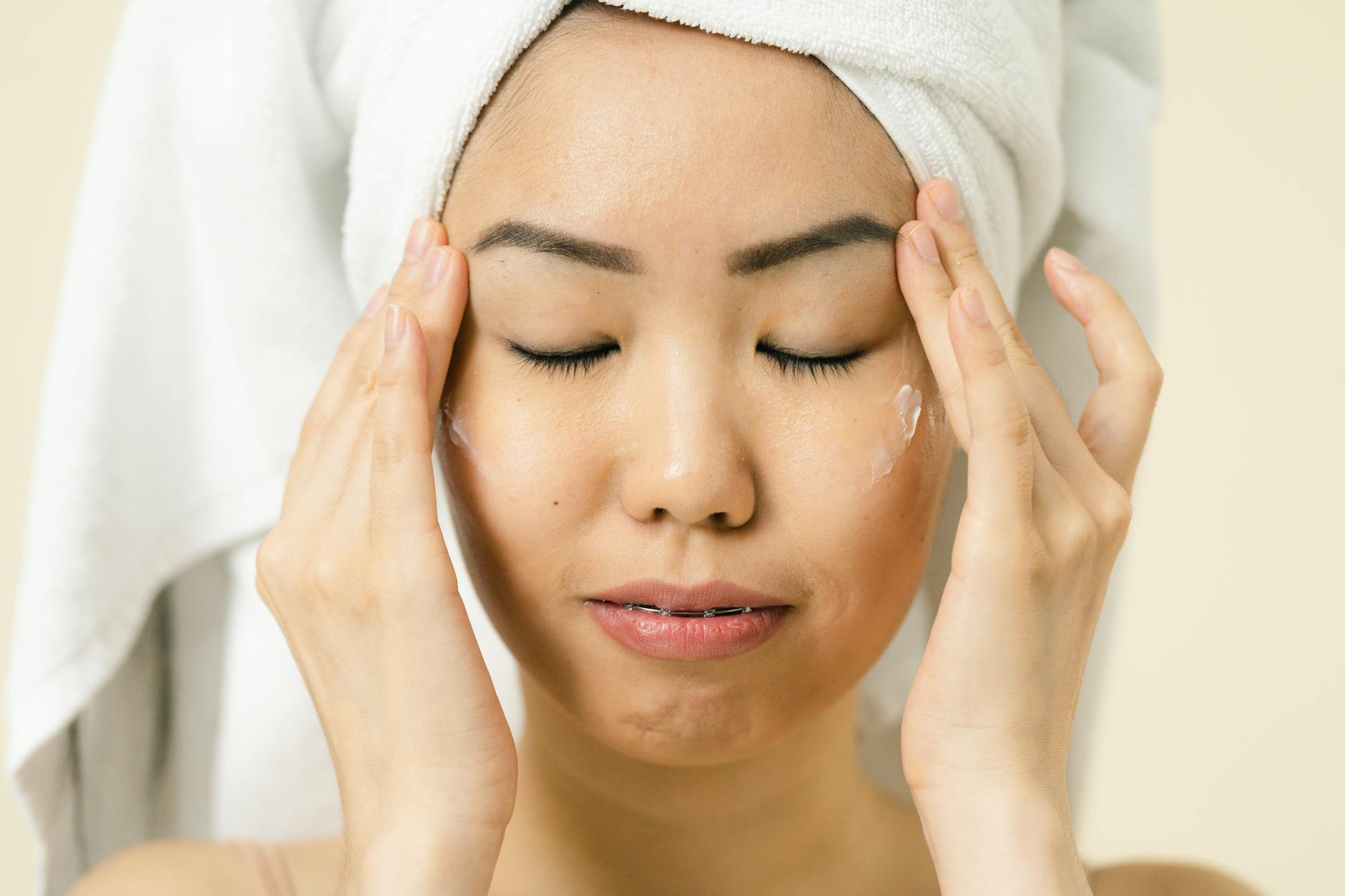
How Do Gentle Acne Products Fit into a Broader Skincare Routine?
Gentle acne products must be positioned carefully within a broader routine to avoid conflicts with other treatments. If you’re using acne products, your moisturizer becomes even more important than it would be otherwise—the moisturizer should contain barrier-supporting ingredients like ceramides, hyaluronic acid, and preferably niacinamide. The Neutrogena Evenly Clear™ collection includes a dedicated moisturizer (the Acne Gel Moisturizer with 0.5% salicylic acid plus biotic ingredients), which simplifies this concern by ensuring the moisturizer is compatible with the treatment approach.
If you’re using Adapalene 0.1% from a different brand, pair it with a hydrating, fragrance-free moisturizer afterward to minimize irritation. For anyone addressing both acne and other concerns like aging or hyperpigmentation, gentleness becomes even more critical—skin simply cannot tolerate multiple harsh treatments simultaneously. If you’re combining acne treatment with a vitamin C serum or an AHA product, either separate them (use the other active in your PM routine if acne product is AM), or choose formulations that are specifically designed for combination use. The broader skincare market offers many options, but layering requires intention rather than assumption that “more actives equals faster results.”.
What’s the Future of Acne Treatment as Gentle Products Dominate the Market?
As gentle daily-use products continue to gain market share, the future of acne treatment is moving toward accessibility and long-term management rather than quick fixes. The projected market growth to $18.6 billion by 2033 suggests that the gentle-formulation trend is not temporary—it reflects a fundamental shift in how dermatologists and consumers view acne. AI-personalized skincare will likely become increasingly sophisticated, potentially allowing consumers to adjust their routine in real-time based on skin condition monitoring.
Microbiome research is still in early phases, but over the next several years, expect more pre- and post-biotic formulations to enter the market as the science matures. The success of the Neutrogena Evenly Clear™ collection, specifically designed for adults rather than teenagers, signals that skincare companies recognize a gap in the market—adults with acne have different needs than adolescents, and gentle, sophisticated formulations address that reality. As more brands follow this model, consumers will have greater choice in finding products that work with their specific skin type and lifestyle rather than forcing themselves into harsh regimens designed decades ago. For anyone currently struggling with acne, the current market offers more effective and tolerable options than ever before, with the science and product infrastructure to support long-term improvement.
Conclusion
Gentle daily-use acne products represent a meaningful shift in dermatological practice, moving away from the assumption that stronger treatments work better and toward evidence-based formulations that prioritize consistency, tolerability, and long-term skin health. Ingredients like salicylic acid at 1-2%, Adapalene 0.1%, and barrier-supporting compounds like prebiotics and ceramides have proven effective through clinical research and real-world patient outcomes.
The Neutrogena Evenly Clear™ collection and similar recent launches demonstrate that the market is responding to consumer demand for sophisticated, adult-focused acne solutions. If you’re considering starting a gentle acne product, expect to commit to 6-8 weeks of consistent daily use before evaluating results, introduce products sequentially rather than all at once, and prioritize skin barrier health through appropriate moisturization and sun protection. With the broader skincare market projected to reach $28.5 billion by 2025 and continuing growth, finding a gentle, effective routine tailored to your skin is now more feasible than ever.
Frequently Asked Questions
Is 2% salicylic acid safe to use every day?
Yes, 2% salicylic acid is considered safe for daily use when formulated thoughtfully with barrier-supporting ingredients. However, if your skin feels tight, red, or overly dry after a few days, reduce to three times weekly application rather than abandoning the product.
Can I use Adapalene 0.1% and salicylic acid together?
It depends on your skin’s tolerance. Many dermatologists recommend using salicylic acid in the morning (in a cleanser or spot treatment) and Adapalene in the evening, or alternating days initially. Start with one product, establish tolerance over 2-3 weeks, then add the second.
How do I know if a gentle acne product isn’t working?
Give it 6-8 weeks of consistent daily use before concluding it’s ineffective. If after 8-12 weeks you see no improvement despite consistent use and no irritation, consult a dermatologist about prescription options like tretinoin or oral medications.
Does higher concentration of salicylic acid mean faster acne improvement?
No. Research shows that 1-2% concentrations work as effectively as 10% for acne, with significantly less irritation. Higher concentrations increase the risk of barrier damage and dryness without proportional benefit.
Are pre- and post-biotic ingredients in acne products really effective?
Emerging research supports microbiome-supportive approaches, though this area is still developing. These ingredients help maintain skin’s healthy bacterial balance, which indirectly supports acne treatment, but they’re not replacements for proven actives like salicylic acid or retinoids.
What should I use for sun protection with daily acne products?
Any broad-spectrum SPF 30 or higher is appropriate. Look for lightweight, non-comedogenic formulas that won’t clog pores. Mineral sunscreens with zinc oxide or titanium dioxide are often preferred by acne-prone skin because they’re less likely to cause irritation.