
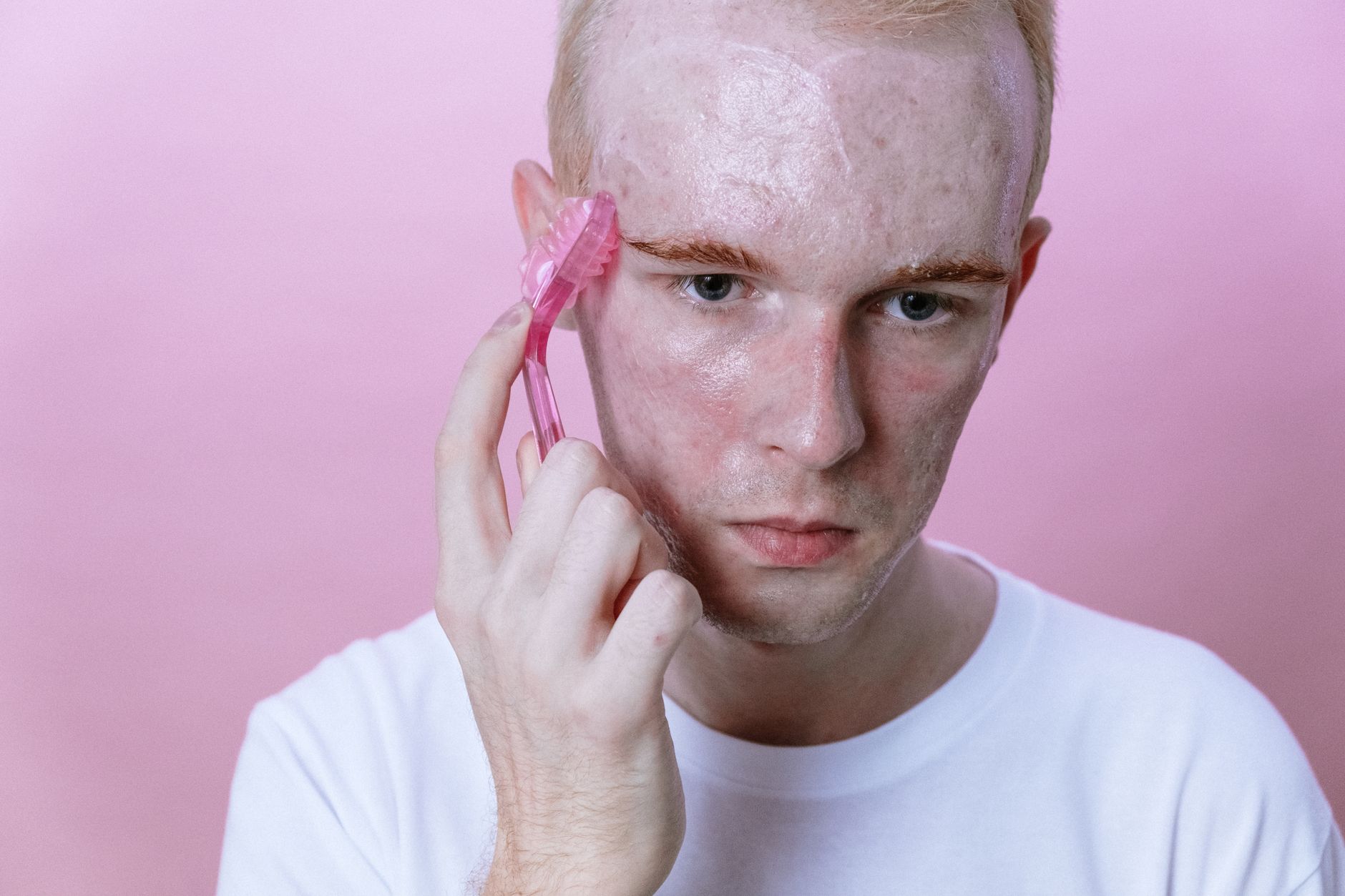
Acne treatment for transgender and gender-diverse patients requires a more nuanced approach than standard dermatology protocols because hormonal therapies, ongoing medical transitions, and the psychological impact of dysphoria all shape how acne develops and responds to treatment. A patient undergoing testosterone therapy may experience significant skin changes—increased oil production, deeper acne patterns, and a shift toward inflammatory cystic acne—that differs markedly from acne in cisgender patients at similar life stages. Customized solutions mean working with providers who understand these biological realities and can adapt treatment plans accordingly, rather than applying one-size-fits-all recommendations that ignore the medical context of gender transition.
The stakes of effective acne care for this population extend beyond cosmetic concern. Severe acne can intensify gender dysphoria, worsen mental health outcomes, and complicate the already-complex medical management of transition. Many trans and gender-diverse patients have experienced discrimination in healthcare settings, making trust and inclusive clinical environments essential to treatment adherence. A truly customized approach integrates dermatological expertise, awareness of hormonal therapy effects, trauma-informed communication, and a willingness to modify protocols when standard treatments conflict with a patient’s transition goals or existing medication regimen.
Table of Contents
- Why Acne Patterns Differ for Transgender Patients Starting Hormone Therapy
- Navigating Medication Interactions and Treatment Constraints
- The Role of Mental Health and Trauma-Informed Skincare
- Building an Effective Treatment Strategy Across Systemic and Topical Options
- Scarring, Skin Barrier Compromise, and Treatment Limitations
- Selecting Inclusive Providers and Communicating Skincare Needs
- Monitoring, Follow-Up, and Adjusting Plans as Transition Progresses
- Frequently Asked Questions
Why Acne Patterns Differ for Transgender Patients Starting Hormone Therapy
Patients beginning testosterone therapy or testosterone-replacement therapy (TRT) typically experience a measurable shift in acne severity within the first three to six months, even if they had relatively clear skin beforehand. Testosterone increases sebaceous gland activity and shifts the bacterial composition of skin, creating conditions where acne-causing bacteria (Cutibacterium acnes) thrive. The acne that emerges is often concentrated in the lower face, jaw, and upper back—areas with high concentrations of androgen-sensitive glands—and tends to present as deeper, more inflamed lesions rather than surface comedones. This pattern mirrors male-pattern acne in cisgender adolescents, though it can occur in adults with established skin that previously was relatively stable.
Conversely, patients undergoing estrogen-based hormone therapy or taking anti-androgen medications often see acne improvement as sebaceous gland activity decreases and hormonal balance shifts. However, the timeline and degree of improvement vary widely. Some patients see clearer skin within weeks; others take many months. Additionally, certain anti-androgen medications—particularly spironolactone—can occasionally cause or worsen acne in the short term as hormones rebalance, a phenomenon that generic acne treatment protocols might misinterpret as treatment failure. Understanding these distinct pathways prevents unnecessary medication changes and helps patients distinguish between temporary hormonal adjustment and true treatment ineffectiveness.
Navigating Medication Interactions and Treatment Constraints
Acne medications themselves interact with transition-related therapies in ways that standard dermatology textbooks may not adequately address. Isotretinoin (Accutane), the most powerful acne medication, is highly teratogenic and requires strict pregnancy prevention protocols—but for transgender patients, “pregnancy prevention” language can cause dysphoria and may be misapplied to patients who cannot become pregnant. Additionally, isotretinoin can increase liver enzymes and affect hormone metabolism, potentially interfering with the careful hormonal balance that transition-related medications achieve. Any patient considering isotretinoin while on hormone therapy needs coordinated care between dermatology and the provider managing their transition.
Oral antibiotics used for moderate acne (doxycycline, minocycline) have fewer direct interactions with most transition medications, but they can interfere with certain supplements or medications trans patients take for other health conditions. Topical retinoids and benzoyl peroxide, the scaffolding of most acne regimens, are generally safe alongside hormone therapy but may cause increased dryness and irritation in patients whose skin barrier is already compromised by other treatments. A limitation of many standard acne protocols is that they assume stable hormonal conditions; they do not account for the skin sensitivity fluctuations or changing inflammatory responses that occur during active transition. Treatment plans need built-in flexibility to adjust as hormones stabilize and as the skin responds to concurrent medical changes.
The Role of Mental Health and Trauma-Informed Skincare
The psychological weight of acne takes on different dimensions for transgender and gender-diverse patients. Acne in areas associated with secondary sexual characteristics—facial acne in transmasculine patients, for example—can intensify gender dysphoria and create a feedback loop where emotional distress worsens skin inflammation. Additionally, many trans patients carry histories of medical trauma, misgendering in healthcare settings, or dismissal of their concerns by providers; these experiences make it harder to trust healthcare professionals and to comply with treatment regimens that require consistency over months. A customized approach explicitly addresses this by employing trauma-informed communication, using correct names and pronouns consistently in all documentation, and taking extra time to explain treatment plans.
dermatologists and aestheticians working with this population should recognize that skin-focused repetitive behaviors—picking, over-washing, or excessive skincare—occur at higher rates among transgender patients and may be exacerbated by dysphoria-related anxiety. A treatment plan that increases these behaviors through aggressive protocols or frequent in-office procedures can backfire. Instead, gentle, low-barrier routines that patients can sustain psychologically are often more effective. For example, a simple two-step routine (cleanser and moisturizer) with a prescription retinoid applied twice weekly may yield better outcomes in the long term than a complex eight-step regimen that feels punitive or triggers compulsive skin behaviors.
Building an Effective Treatment Strategy Across Systemic and Topical Options
Customized acne treatment for trans and gender-diverse patients typically layers multiple approaches: systemic medication (oral antibiotics or hormonal modulators), topical prescription products, and an intentional skincare routine. The order and timing of these interventions depends on the patient’s stage of transition, their existing medications, and the severity of acne. A patient newly started on testosterone might begin with a gentle topical retinoid and benzoyl peroxide while continuing to monitor how the hormonal changes unfold; waiting several months before escalating to oral antibiotics allows the baseline acne pattern to stabilize. By contrast, a patient experiencing severe nodular acne would benefit from earlier introduction of a systemic antibiotic or hormonal management to prevent permanent scarring.
The choice between different classes of systemic treatment involves real tradeoffs. Oral antibiotics (doxycycline, minocycline) are effective and widely available but carry a ceiling: they work best for mild to moderate inflammatory acne and lose efficacy over time as bacteria develop resistance. Hormonal modulators like spironolactone work well for some patients but require monitoring of potassium and kidney function, and they shift the timeline for acne improvement to six weeks or more. Isotretinoin is the only medication that can achieve long-term acne remission or cure, but it demands intensive monitoring, has significant side effects, and interacts with transition medications in ways that require expert coordination. Each patient’s circumstances—their transition timeline, existing health conditions, tolerance for side effects, and access to monitoring—determine which path makes sense.
Scarring, Skin Barrier Compromise, and Treatment Limitations
One often-overlooked consequence of delayed or inadequate acne treatment in transgender patients is scarring. Because acne severity and onset can be unpredictable during transition, some patients go months with untreated moderate or severe acne before seeking care, and by that point, scarring may have begun. Early intervention—starting topical or systemic treatment within weeks of acne onset, rather than waiting to see if it resolves—is crucial. However, treating acne aggressively while the skin is already stressed by hormone shifts or other medical treatments risks compromising the skin barrier.
Patients may find that even gentle actives (low-strength retinoids, low-concentration benzoyl peroxide) cause excessive dryness or irritation early in transition, requiring a slower titration schedule than typical. A critical limitation of customized acne care is the shortage of providers trained to deliver it. Most dermatologists have limited education about transgender health, and most endocrinologists managing transition therapies lack dermatology expertise. When acne treatment conflicts with transition goals—for example, if a patient wants to avoid topical products on their face because the routine triggers dysphoria, or if they refuse a medication that has cosmetic side effects—there is often no straightforward clinical guideline. In these cases, the customized approach requires humility from the provider: being willing to prioritize the patient’s overall mental health and transition wellbeing over textbook acne management, and finding creative solutions (e.g., using less frequent or lower-dose treatment, combining modalities, accepting partial improvement) that align with what the patient can actually sustain.
Selecting Inclusive Providers and Communicating Skincare Needs
Finding a dermatologist or aesthetician willing and able to provide care that respects a patient’s gender identity requires intentional searching. Red flags include providers who use incorrect pronouns despite correction, who ask invasive questions about transition status or genital anatomy, or who seem uncomfortable discussing how transition medications affect skin. Good signs are offices with intake forms that include pronouns and chosen name, staff who use this information consistently, and providers who proactively explain how their treatment approach accounts for transition-related changes. Some specialized dermatology clinics in larger cities now explicitly market trans-competent care; others develop this expertise quietly through repeated engagement with this patient population.
When a patient does find a trustworthy provider, clear communication about acne goals prevents misalignment. A patient might prioritize preventing future scarring over achieving completely clear skin, especially if aggressive treatment would interfere with their sense of safety in healthcare. Another might be willing to tolerate significant acne during the first year of transition, knowing it often improves as hormones stabilize, rather than pursue intensive early treatment. These preferences should be documented in writing and revisited at each visit as the patient’s transition evolves and their priorities shift. Inclusive skincare also means discussing how cultural or religious practices—such as ritual bathing or ceremonial face marking—interact with acne treatment and finding accommodations that respect these practices while still managing acne effectively.
Monitoring, Follow-Up, and Adjusting Plans as Transition Progresses
Effective acne management for transgender and gender-diverse patients is not static; it requires regular reassessment as hormones stabilize and as the patient’s skin phenotype shifts. A patient who experiences severe acne in months two to four of testosterone therapy may see substantial improvement by month eight as sebaceous glands adapt and the initial inflammatory surge subsides. Continuing the same treatment intensity beyond that point wastes resources and may cause unnecessary side effects. Similarly, a patient on estrogen therapy whose acne improved significantly may experience a resurgence if they pause hormone therapy, develop new medical conditions that affect hormonal balance, or add medications that interact with their existing regimen.
Follow-up appointments should explicitly discuss what the patient observes—changes in oil production, new body areas affected by acne, lesion types, and how the acne affects their mental health—rather than relying solely on clinical assessment. Some trans patients are reluctant to return for follow-up appointments due to past negative healthcare experiences; building in multiple ways to communicate (in-person, phone, secure messaging) and keeping appointments flexible can improve engagement. When acne does scar despite treatment efforts, discussing this outcome without blame and exploring scar treatments (microneedling, laser, chemical peels) as part of ongoing care sends the message that the provider remains invested in the patient’s skin health. This sustained, adaptive approach reflects the reality that customized acne care is not a one-time prescription but an ongoing partnership that evolves with the patient’s transition.
Frequently Asked Questions
Will acne definitely get worse when I start testosterone therapy?
Acne severity during testosterone therapy varies widely. Some patients experience a significant increase, while others see minimal changes. Starting preventive acne treatment early—before major flares occur—can prevent scarring even if severity is moderate. The timing and intensity of acne during transition is difficult to predict, so individualized monitoring is important.
Can I take isotretinoin while on hormone therapy?
Isotretinoin can be used alongside transition medications, but it requires careful coordination between dermatology and endocrinology providers. Isotretinoin affects liver enzyme metabolism and has significant side effects, so the decision to pursue it should involve discussion of these interactions and the specific benefits and risks in your situation.
What skincare routine is safest during hormone transition?
A minimal routine—gentle cleanser, moisturizer, and one prescription treatment (like a retinoid or benzoyl peroxide)—is often most sustainable during transition when skin may be reactive. Complex routines can trigger compulsive skin behaviors and barrier damage. Your provider can recommend specific products and titrate their frequency as your skin adapts to hormonal changes.
How long does acne improvement take on estrogen therapy?
Acne improvement on estrogen therapy typically begins within weeks to months, but the timeline varies based on the dose of estrogen, the type and dose of anti-androgen (if any), and individual skin factors. Full improvement may take six months or longer. Some patients see continued improvement for a year or more.
Should I look for a dermatologist with specific training in transgender care?
Seeking a provider with knowledge of how transition medications affect skin, or at minimum a provider who is respectful and willing to learn, significantly improves treatment outcomes. Inclusive communication and willingness to adapt standard protocols are more important than a formal “specialization” label.
What happens to acne if I pause or stop hormone therapy?
Pausing or stopping hormone therapy typically causes acne to rebound, since the hormonal drivers of acne return. If you are considering a pause in transition medications for any reason, discussing the likely skin effects with both your endocrinologist and dermatologist beforehand allows for preventive acne treatment planning.