
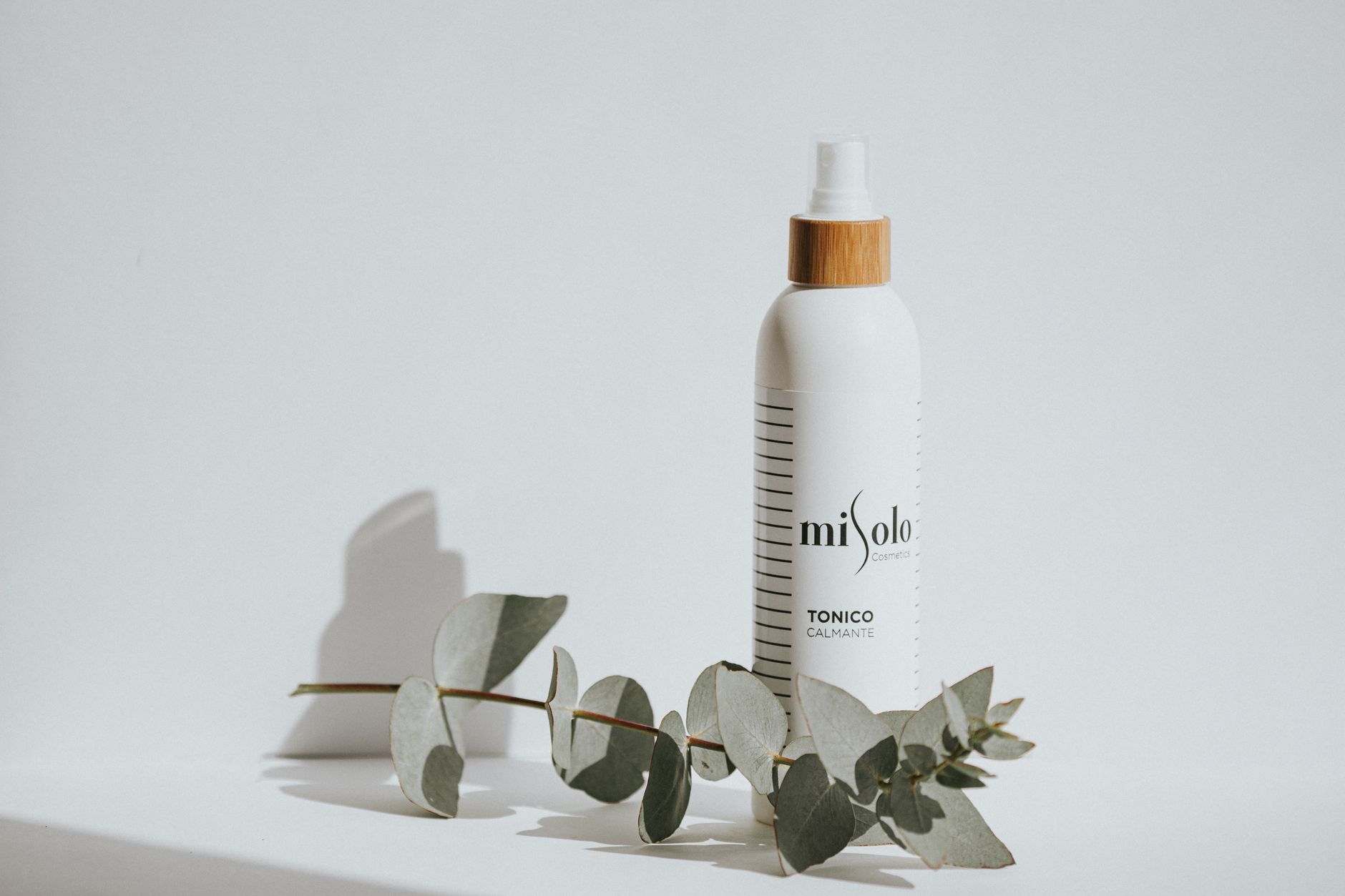
Dermatologists recommend acne toners that contain active ingredients capable of exfoliating dead skin cells, reducing sebum production, and controlling bacterial growth—the three core drivers of acne formation. The best acne toners are those formulated with salicylic acid, glycolic acid, niacinamide, or targeted botanical extracts that address acne at the skin-level without triggering excessive irritation or barrier damage. Unlike marketing-focused skincare products that promise dramatic results, dermatologists prioritize toners that demonstrate consistent efficacy in clinical settings and tolerate well across repeated daily use.
The distinction between an effective acne toner and a potentially harmful one often comes down to concentration, pH balance, and supporting ingredients. A dermatologist-recommended acne toner will typically work to normalize skin cell turnover within the follicle, reduce inflammation, and prepare the skin to better absorb prescription treatments when prescribed. These toners function as an intermediary step in your skincare routine—neither a luxury add-on nor a replacement for other treatments, but a practical tool that addresses the specific conditions that allow acne bacteria and clogged pores to persist.
Table of Contents
- What ingredients do dermatologists recommend in acne toners?
- Why pH balance matters more than you think in acne toner selection
- How dermatologists advise applying acne toners for maximum benefit
- Choosing between chemical exfoliant toners versus anti-inflammatory toners
- Common mistakes that reduce or eliminate acne toner effectiveness
- Acne toners for different skin types and sensitivities
- Combining acne toners with prescription treatments
What ingredients do dermatologists recommend in acne toners?
Salicylic acid stands as the most frequently recommended active ingredient in acne toners by dermatologists, primarily because it is lipophilic—meaning it dissolves in oil and can penetrate into sebum-filled pores where acne bacteria thrive. Salicylic acid works by exfoliating keratin buildup inside the follicle and has been studied extensively for its ability to reduce comedones (blackheads and whiteheads) without the irritation sometimes associated with stronger treatments. Concentrations of 0.5% to 2% are typical in over-the-counter toners, with the lower end preferred for sensitive or acne-prone skin that is new to chemical exfoliation. Glycolic acid, an alpha hydroxy acid (AHA), works differently than salicylic acid by exfoliating the skin surface rather than penetrating pores, making it useful for treating inflammatory acne and post-acne marks.
Many dermatologists recommend glycolic acid toners for patients who cannot tolerate salicylic acid or who have both acne and significant sun damage or hyperpigmentation. A glycolic acid toner at 5% to 10% concentration, when combined with a proper pH range of 3.5 to 4.0, can improve skin texture and reduce surface bacteria without requiring a prescription. Niacinamide, also called vitamin B3, addresses acne through a separate mechanism: it regulates sebum production, strengthens the skin barrier, and reduces inflammation without the irritation that chemical exfoliants can trigger. Dermatologists often recommend niacinamide-based toners for patients with combination skin, oily skin, or those who use prescription acne medications and need a gentler supporting product. Concentrations of 4% to 5% niacinamide are effective and well-tolerated by most skin types.
Why pH balance matters more than you think in acne toner selection
The pH of an acne toner determines whether active ingredients remain stable and whether they can actually penetrate the skin as intended. Most dermatologists stress that a toner with salicylic acid at pH 5.0 or higher will be ineffective because salicylic acid requires a lower pH (ideally 3.0 to 4.0) to exfoliate properly; at higher pH levels, the ingredient simply sits on the skin surface without the intended chemical exfoliation. A pH-imbalanced toner can leave your skin feeling tacky or looking irritated while delivering none of the acne-fighting benefits you purchased it for.
Products labeled “acne toner” that fail to disclose pH are a red flag dermatologists warn patients to avoid. When pH information is missing from the label or manufacturer website, it often indicates the product was not formulated with active ingredients in mind, making it essentially an astringent or hydrating toner—helpful for oil control, perhaps, but not for treating acne. If you have invested in a salicylic acid or glycolic acid toner, verifying its pH with pH testing strips or requesting this information from the brand can help you confirm whether you’re actually getting an active product or a cosmetic toner mismarketed as acne treatment.
How dermatologists advise applying acne toners for maximum benefit
The application technique for acne toners matters significantly more than the product itself in many cases. Dermatologists recommend applying toner to a cotton pad and gently wiping across the entire face and neck—avoiding aggressive scrubbing or multiple passes over the same area, which can trigger irritation and barrier damage. The toner should be applied to clean skin after cleansing but before any serums, moisturizers, or treatments; this allows the active ingredients to make direct contact with the skin without interference from other products.
Frequency of use depends on both the active ingredient and your skin’s tolerance level. A salicylic acid toner might be appropriate for twice-daily use for someone with resilient, oily skin, while the same product used twice daily could cause peeling, redness, and irritation in someone with sensitive skin—in which case dermatologists typically recommend starting with three times weekly and building tolerance gradually. Glycolic acid toners require even more caution because they exfoliate the surface and can damage the moisture barrier if overused; most dermatologists suggest starting with two to three times weekly and increasing frequency only if skin responds well.
Choosing between chemical exfoliant toners versus anti-inflammatory toners
The choice between a chemical exfoliant toner (salicylic acid, glycolic acid) and an anti-inflammatory toner (niacinamide, azelaic acid) depends on your specific acne presentation and skin condition. If your acne is primarily comedonal—blackheads and whiteheads in pores—a salicylic acid toner addresses the root cause by exfoliating inside the follicle and is typically the first-line recommendation. However, if your acne is inflammatory (red, tender, pustules), an anti-inflammatory toner may be more effective because it reduces redness and irritation while your skin heals, making it a better pairing with prescription treatments like benzoyl peroxide or retinoids.
Many dermatologists recommend rotating between product types rather than using them simultaneously, particularly for patients with sensitive skin. Using a salicylic acid toner in the morning and reserving evening application for a niacinamide toner allows you to benefit from both exfoliation and barrier protection without overwhelming your skin. Conversely, if you are using a prescription retinoid or oral acne medication, adding a chemical exfoliant toner might be redundant or overly irritating—in which case an anti-inflammatory toner serves as a gentler complementary product.
Common mistakes that reduce or eliminate acne toner effectiveness
Layering too many active ingredients simultaneously is the most frequent mistake dermatologists see, typically occurring when patients use an acne toner, a salicylic acid spot treatment, and a benzoyl peroxide wash all in the same routine. This over-treatment leads to excessive dryness, peeling, irritation, and sometimes a rebound increase in sebum production and acne as the skin barrier becomes compromised. A dermatologist-approved routine typically includes one active exfoliant (either in the toner or elsewhere) and one anti-inflammatory treatment, not multiple actives attacking the skin simultaneously.
Skipping moisturizer after using an acne toner is another widespread error that undermines results. Chemical exfoliation removes surface oils and can cause transient dehydration; without proper moisturizing afterward, the skin can become tight and irritated, leading patients to either abandon the toner or compensate by increasing sebum production (worsening acne). Dermatologists emphasize that an oil-free or lightweight moisturizer should always follow an active toner, even on oily skin types—the goal is skin barrier health, not achieving maximum dryness.
Acne toners for different skin types and sensitivities
Patients with oily or combination skin typically tolerate higher concentrations of salicylic acid and can use it twice daily without adverse effects; a 2% salicylic acid toner is a standard recommendation in this population. Those with dry or sensitive skin should start with lower concentrations (0.5% to 1%) and reduced frequency (two to three times weekly) to assess tolerance.
Dermatologists often suggest that sensitive-skin patients try a niacinamide toner first before attempting chemical exfoliants, since niacinamide provides acne-fighting benefits without the irritation risk. Patients with both acne and conditions like rosacea or eczema require particularly careful toner selection; a high-strength salicylic acid toner could trigger a flare of underlying rosacea, making a lower-concentration product or a niacinamide-based alternative the better choice. For these patients, patch testing a new toner on a small area of skin for three to five days before full-face application allows safe assessment of how their skin will respond.
Combining acne toners with prescription treatments
When a dermatologist prescribes a treatment like tretinoin, adapalene, benzoyl peroxide, or an oral antibiotic, the acne toner becomes either essential or counterproductive depending on which product is chosen. Prescription retinoids cause surface peeling and sensitivity; adding a salicylic acid toner would likely cause excessive irritation, so dermatologists typically recommend switching to a gentler, non-exfoliating toner or skipping the toner step entirely until skin acclimates to the retinoid (usually four to eight weeks). A niacinamide toner, however, can be beneficial during retinoid use because it calms inflammation and supports barrier repair.
Benzoyl peroxide, a strong oxidizing agent that kills acne bacteria, pairs reasonably well with a gentle salicylic acid toner used on alternating days, but using both daily creates redundancy and potential for over-treatment. Most dermatologists suggest applying benzoyl peroxide in the morning and reserving the acne toner for the evening, or using them on different days entirely. This sequencing reduces irritation while maintaining the acne-fighting effect of both products.