
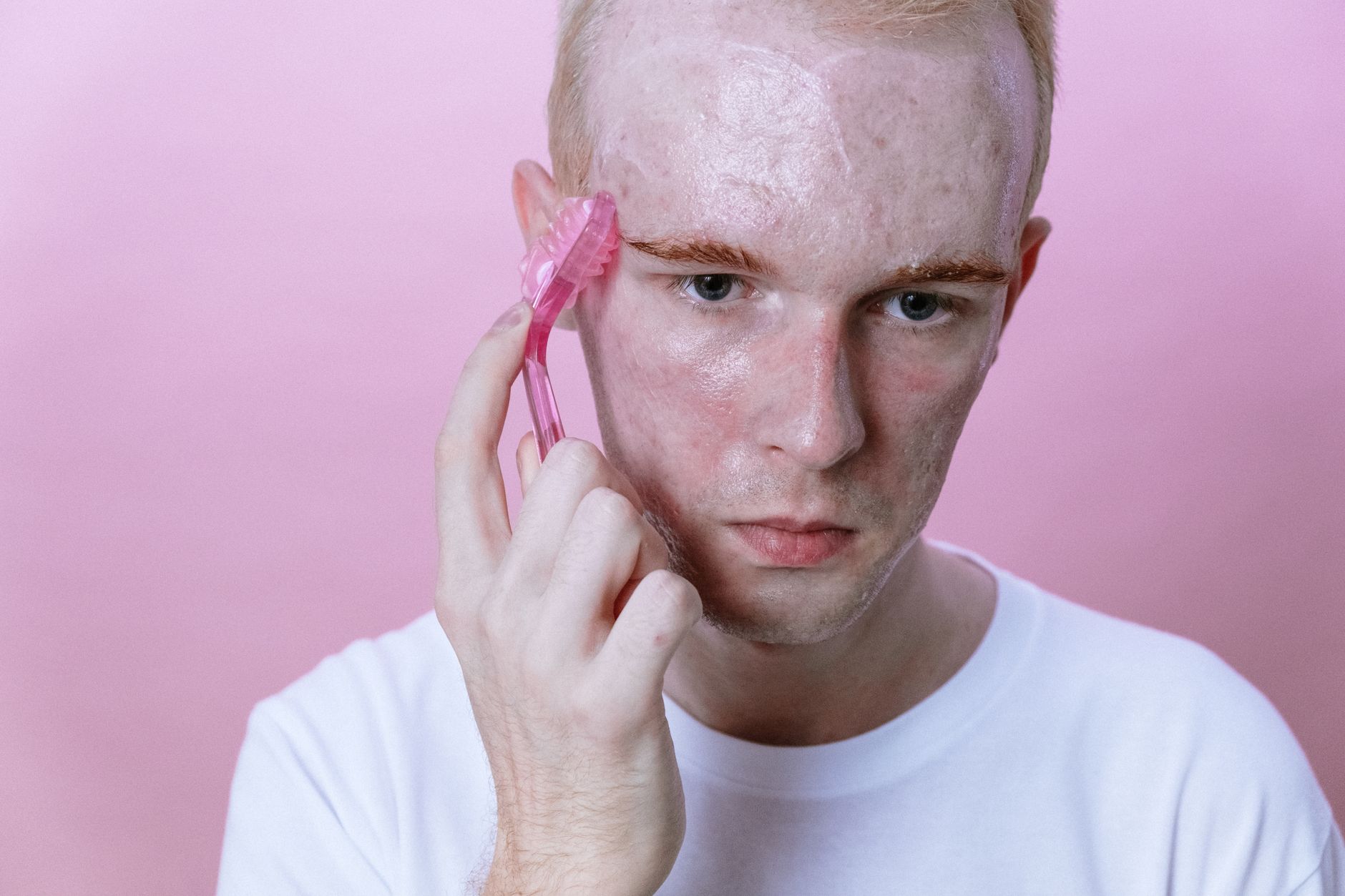
A new acne treatment for severe cases has entered phase 2b clinical testing, marking a significant milestone in the development of alternative therapies for patients whose acne does not respond adequately to existing medications. This stage of clinical testing represents a critical bridge between early efficacy studies and the larger trials needed to confirm safety and optimal dosing before regulatory review. For the millions of people struggling with severe, treatment-resistant acne, this advancement suggests that options beyond isotretinoin and other conventional systemic therapies may be on the horizon.
Phase 2b trials are designed to gather more detailed information about how well a drug works and further evaluate its safety profile across a broader patient population than earlier phase testing. Unlike the smaller phase 2a studies, which typically involve fewer than 100 patients, phase 2b expands participant numbers significantly to better understand the treatment’s effectiveness in real-world conditions. Patients with severe nodular or cystic acne—the kind that leaves permanent scarring and causes significant physical and psychological distress—represent a particularly important population for this research.
Table of Contents
- What Makes Phase 2b Testing a Critical Step for Acne Therapies?
- Understanding Severe Acne and Why New Treatments Matter
- How This New Treatment Approaches the Acne Problem Differently
- What Phase 2b Data Will Reveal About Dosing and Patient Outcomes
- Potential Risks and Side Effects Under Investigation
- Trial Eligibility and How Patients Access This Research
- Timeline Expectations for Results and Future Approval Pathways
What Makes Phase 2b Testing a Critical Step for Acne Therapies?
Phase 2b testing sits in an important middle ground within clinical drug development. It is more extensive than early phase 2 work but smaller in scope than the phase 3 trials that will ultimately confirm whether a therapy meets the standard for approval. During phase 2b, researchers focus on determining the optimal dose—the amount that produces the best results with the fewest side effects. They also begin collecting data on which patient populations respond best to the treatment, helping doctors identify who will benefit most once the therapy becomes available. For acne treatments specifically, phase 2b allows researchers to evaluate the drug over longer treatment periods than earlier studies permitted, which is crucial because acne therapies often require weeks or months to show their full effects.
A treatment might show promise in a 12-week phase 2 study but behave differently over the 6 months or longer that actual patients might use it. Phase 2b trials typically recruit 200 to 500 patients, providing a much clearer picture of real-world effectiveness and allowing researchers to identify side effects that only emerge in larger populations. The regulatory pathway benefits from robust phase 2b data as well. When researchers move forward to phase 3—the large, confirmatory trials that often involve thousands of participants—they do so with a well-defined treatment protocol and a clear understanding of what outcomes to measure. This efficiency means faster pathways to approval if the treatment proves successful.
Understanding Severe Acne and Why New Treatments Matter
Severe acne encompasses several forms: nodular acne, characterized by large, painful lumps beneath the skin; cystic acne, which presents as fluid-filled lesions that can become infected; and conglobate acne, a rare but particularly damaging form involving widespread cyst formation. These conditions differ fundamentally from the occasional pimples most people experience. Severe acne causes deep, permanent scarring and can lead to significant psychological effects, including depression and social isolation. Many patients describe severe acne as the most distressing medical condition they have experienced. The challenge for dermatologists is that not all severe acne responds to standard treatments.
While oral antibiotics, hormonal therapies, and topical medications help many patients, some continue to develop severe lesions despite months of treatment. Isotretinoin, a powerful medication related to vitamin A, remains the only cure for severe acne, but it carries substantial risks—including potential birth defects, severe liver effects, and psychiatric changes—that make it unsuitable for all patients or sometimes poorly tolerated by those who can take it. A significant number of patients experience relapse after completing isotretinoin treatment, meaning they develop severe acne again after initially achieving clear skin. Alternative therapies for this population represent genuine medical need. The development of new severe acne treatments requires particular caution because the stakes are high—patients are already suffering significant physical and emotional consequences. Any new therapy must not only work better than current options but also present a favorable safety profile compared to the considerable risks patients already accept when choosing isotretinoin.
How This New Treatment Approaches the Acne Problem Differently
While the specific mechanism of action requires confirmation through phase 2b findings, new acne therapies typically target different aspects of acne pathogenesis than existing medications. Some approaches focus on modulating the immune response in acne-prone skin, others on altering the composition of sebum production, and still others on directly attacking the bacteria responsible for acne. The diversity of these mechanisms matters because it means patients who have failed one class of treatment might respond to a therapy that works through an entirely different pathway. One important distinction between emerging therapies and isotretinoin is the goal: isotretinoin aims for permanent remission or cure by shrinking sebaceous glands, whereas most newer therapies aim for sustained control and potentially reversibility.
For patients concerned about isotretinoin’s irreversible effects or unable to tolerate its side effects, a therapy that controls severe acne through a different mechanism could represent a genuine advance. The trade-off is that ongoing treatment might be necessary rather than a single course, but many patients find this acceptable compared to the burden of isotretinoin monitoring. Early data from phase 2 studies often hints at advantages in speed of action, side effect profile, or effectiveness in specific acne subtypes. Phase 2b testing will clarify whether these early signals hold up in a larger, more diverse patient population.
What Phase 2b Data Will Reveal About Dosing and Patient Outcomes
One central goal of phase 2b testing is determining optimal dosing—the dose that achieves maximum effectiveness with minimum side effects. For acne treatments, this can be surprisingly complex because different patients may require different amounts based on their skin type, severity of acne, concurrent medications, and other health conditions. A dose that clears lesions in one patient might cause unacceptable side effects in another, or might be inadequate in a third. Phase 2b trials typically test multiple dose levels to map this relationship precisely. Researchers will also evaluate specific outcome measures that matter to patients and doctors: the reduction in inflammatory lesions, the development of new scarring, time to initial improvement, durability of response, and patient satisfaction.
They will note side effects in detail, tracking both common effects like dryness or photosensitivity and rare but serious effects that might only emerge in a population of several hundred people. This safety profiling is essential because it informs the final risk-benefit analysis that patients and physicians will make when deciding whether to use the therapy. Patient experience beyond lesion counts also matters in phase 2b testing. Researchers assess how the treatment affects quality of life, whether patients can maintain their daily routines, whether the therapy is feasible to administer, and whether adherence remains high throughout the trial. A theoretical perfect acne therapy that requires IV infusions three times weekly or causes debilitating side effects would be less useful than one taken orally daily with minimal effects, even if the efficacy numbers appeared similar.
Potential Risks and Side Effects Under Investigation
All acne treatments carry some risk of side effects, and phase 2b testing aims to characterize these effects comprehensively. Potential concerns vary depending on the drug’s class and mechanism but commonly include skin irritation, photosensitivity, dry skin and mucous membranes, gastrointestinal effects, and effects on lipid metabolism or liver function. Researchers monitor for these through regular blood work, skin assessments, and patient-reported symptoms throughout the trial period. A critical warning: any systemic treatment for severe acne requires medical supervision.
While this particular therapy may prove safer than isotretinoin or some oral antibiotics, patients enrolled in phase 2b trials must commit to regular clinic visits, blood tests, and careful monitoring. Those who cannot adhere to this requirement should not enroll. Additionally, serious but rare side effects sometimes emerge only once a drug reaches the market and millions of patients use it—no clinical trial, no matter how well-designed, captures every possible adverse event. For women of reproductive age, particularly critical questions must be answered in phase 2b testing: whether the therapy poses risks during pregnancy, whether it affects birth control pill efficacy, and what monitoring is necessary before conception. These questions deserve complete answers before the treatment becomes widely available.
Trial Eligibility and How Patients Access This Research
Phase 2b trials for acne treatments typically recruit patients with documented severe acne who have failed previous treatments, establishing clear criteria for enrollment. Participants usually must be between certain ages, in general good health, and free from certain concurrent medications or conditions that could confound results. The trial team evaluates each potential participant carefully to ensure they meet criteria and understand the study’s requirements.
Most phase 2b trials exclude pregnant women and those with certain liver or kidney conditions. Patients interested in participating in clinical trials can find information through ClinicalTrials.gov, a comprehensive database that lists active trials searching for participants. Trial sites are usually located at academic medical centers or dermatology research clinics. Participation is voluntary, and participants retain the right to withdraw at any time, though researchers hope participants will remain engaged throughout the planned study duration.
Timeline Expectations for Results and Future Approval Pathways
Phase 2b trials typically require 12 to 24 months to recruit participants, conduct the trial, and analyze results, though this timeline varies considerably. Once phase 2b results are analyzed and published or submitted to regulators, the path forward depends on efficacy and safety data. If results are strong, the drug’s developers may proceed directly to phase 3, the large confirmatory trials involving thousands of patients across multiple sites. Phase 3 trials for acne treatments commonly last 12 to 18 months, though they may extend longer for therapies designed to prevent scarring or assess long-term durability. Following successful phase 3 trials, the manufacturer submits the complete dossier to regulatory agencies for review and approval.
The regulatory review process typically requires six months to two years, depending on whether the agency considers the drug a standard application or an accelerated approval candidate. Accelerated pathways sometimes apply to therapies addressing unmet medical needs, such as treatments for severe acne unresponsive to existing options. Once approved, the medication enters the market but remains under surveillance—phase 4 post-market surveillance continues throughout the drug’s lifetime, monitoring for long-term safety signals and real-world effectiveness patterns that differ from controlled trial results. For patients currently suffering with severe acne, the completion of phase 2b testing represents meaningful progress, even though it does not yet mean immediate access to a new therapy. Understanding where the treatment stands in its development journey helps patients and physicians make informed decisions about current treatments and realistic expectations for what comes next.
- —