
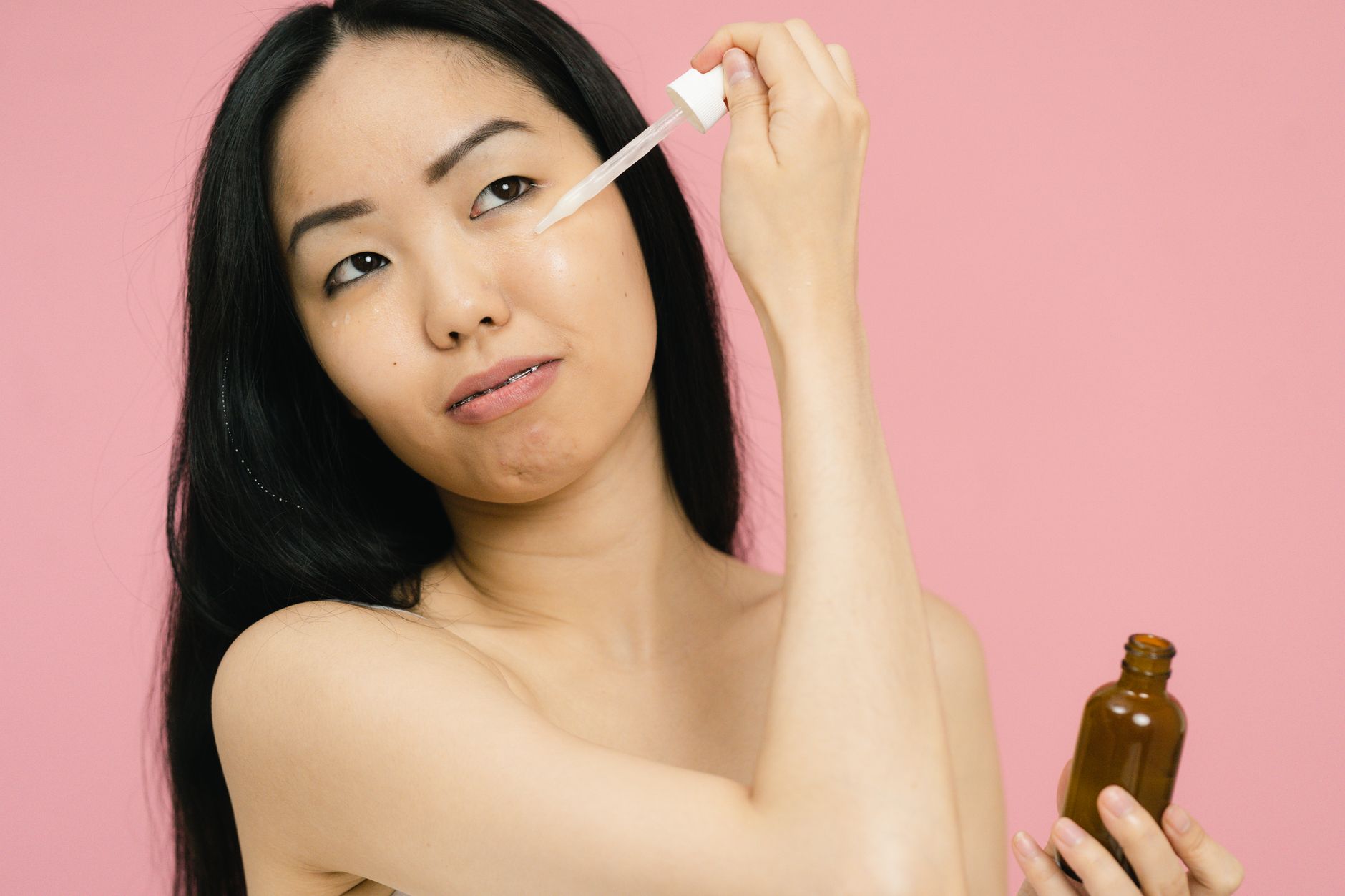
Acne affects millions of people worldwide, but its impact extends far beyond the skin. The connection between acne and mental health is real and significant—untreated skin condition can feed into anxiety, depression, and social withdrawal, while psychological stress can worsen acne itself, creating a frustrating cycle. A person experiencing severe acne breakouts in their teens or twenties may avoid social situations, skip school or work, or develop lasting self-image issues that persist even after the skin clears.
Starting treatment early interrupts this cycle, preventing both the physical damage acne can cause and the emotional toll that accumulates when it’s left unmanaged. The stakes are higher than appearance alone. Early intervention—whether through skincare adjustments, over-the-counter treatments, or prescription medications—can prevent scarring, reduce the duration of active breakouts, and protect mental health during formative years when self-esteem is still developing. Someone who addresses acne at the first signs of persistent breakouts may avoid years of emotional distress and the harder-to-treat cases that develop when acne goes unchecked for too long.
Table of Contents
- How Acne and Mental Health Directly Influence Each Other
- The Psychological Weight of Untreated Acne
- Why Early Treatment Prevents Long-Term Damage
- Recognizing When Acne Requires Professional Treatment
- Addressing Barriers to Seeking Treatment
- The Connection Between Clear Skin and Improved Mental Health Outcomes
- When to Act Now Rather Than Wait
- Frequently Asked Questions
How Acne and Mental Health Directly Influence Each Other
acne doesn’t just sit on the skin—it affects how people see themselves and move through the world. Studies consistently show that people with acne experience higher rates of anxiety and depression compared to those without the condition, particularly when acne is moderate to severe. The relationship works both directions: stress hormones like cortisol can trigger sebum production and inflammatory skin responses, meaning that stress-induced breakouts are not imaginary, and then those breakouts cause more stress, worsening mental health.
A teenager dealing with cystic acne on their face or back might stop changing clothes in front of others, avoid swimming or sports, or withdraw from peer groups. That social isolation itself becomes a risk factor for depression and anxiety. The longer acne persists untreated, the more entrenched these behavioral patterns become, and recovery requires treating both the skin condition and the psychological impact simultaneously.
The Psychological Weight of Untreated Acne
The mental health impact of acne is often underestimated by people without the condition. For many, acne is not a cosmetic concern—it’s a source of genuine shame and anxiety that affects daily functioning. People report avoiding eye contact, declining social invitations, performing poorly in school or at work due to distraction and low confidence, and in severe cases, experiencing suicidal ideation. The severity of psychological distress does not always correlate with the severity of the acne itself; someone with mild acne in a visible area may suffer more psychologically than someone with extensive acne on the back.
One limitation of discussing acne and mental health together is that it’s easy to minimize the psychological struggle as vain or superficial. It’s not. Appearance-related anxiety is a legitimate mental health concern, especially in societies and age groups where appearance carries significant social weight. Waiting for acne to resolve on its own—a common but misguided approach—means prolonging both the skin condition and the emotional suffering that accompanies it.
Why Early Treatment Prevents Long-Term Damage
Starting acne treatment as soon as persistent breakouts appear, rather than waiting months or years, prevents multiple compounding problems. Acne left untreated can produce scarring, especially deeper cystic acne, and those scars are permanent. A person who begins treatment at the first sign of regular breakouts might clear their skin with a simple retinoid or benzoyl peroxide regimen and never develop scars.
Someone who waits five years before seeking help may require invasive scar-revision treatments that are expensive, painful, and not always fully effective. Early treatment also stops the psychological damage from accumulating. A young person who treats acne promptly, sees improvement within weeks or months, and maintains clear skin during important social and developmental periods will have a very different relationship with their appearance and self-confidence than someone whose acne worsens year after year. The difference between “I had acne once and dealt with it” and “I had acne throughout my teens and twenties” is profound in terms of identity formation and mental health trajectory.
Recognizing When Acne Requires Professional Treatment
Not all acne responds to over-the-counter products, and knowing the difference between what you can handle yourself and what requires a dermatologist is crucial for early intervention. Occasional pimples are normal; persistent acne that covers a significant portion of the face or body, includes nodular or cystic lesions, produces scarring, or doesn’t improve after eight to twelve weeks of consistent over-the-counter treatment needs professional evaluation. The comparison between treating acne yourself and with professional help is stark.
Over-the-counter options like benzoyl peroxide, salicylic acid, and adapalene work well for mild acne. For moderate to severe acne, prescription treatments like tretinoin, isotretinoin (Accutane), or oral antibiotics are far more effective and work faster, reducing both the duration of suffering and the risk of permanent scarring. A person with moderate acne might spend months experimenting with drugstore products before finally seeing a dermatologist, only to find that prescription treatment clears their skin in eight weeks. That delay cost them months of emotional distress and additional scarring risk.
Addressing Barriers to Seeking Treatment
Cost, embarrassment, and misinformation are the biggest obstacles preventing people from getting early acne treatment. Some people view seeing a dermatologist as excessive or vain, so they endure acne for years rather than make an appointment. Others cannot afford dermatology visits or prescription treatments. Still others believe myths—like that acne comes from poor hygiene, that it will just go away, or that treatments are dangerous—that delay them from seeking help.
Insurance coverage varies widely, and dermatology appointments can take months to schedule in many areas. Someone without insurance or with limited access to dermatologists might reasonably turn to online resources or over-the-counter treatments first, which is a reasonable starting point. The warning here is that some online advice about acne is outdated or wrong; the belief that acne is caused by dirty skin, for instance, leads people to over-wash and over-scrub, which irritates skin and worsens acne. Early professional guidance, even a single dermatology visit, can correct these misconceptions and set someone on an effective path.
The Connection Between Clear Skin and Improved Mental Health Outcomes
People who successfully treat acne early report measurable improvements in mental health, social engagement, and self-esteem. The psychological boost from seeing skin improve is not trivial—it directly enables people to re-engage socially, focus on school or work, and develop a more stable self-image during important developmental years.
Someone who had acne from age thirteen to twenty will have a very different sense of their appearance and social confidence as an adult than someone whose acne was treated at thirteen and cleared by fifteen. This is not about achieving perfect skin; it’s about stopping the cycle of worsening skin and worsening mental health. Many people find that even partial improvement in acne—going from severe to moderate, or moderate to mild—produces significant psychological relief and motivation to continue treatment.
When to Act Now Rather Than Wait
If acne is persistent, spreading, or causing emotional distress, the time to seek help is now, not in six months. The cost of waiting is measured in both scarring risk and months of unnecessary suffering. A practical first step is to schedule a dermatology appointment or, if access is limited, consult with a primary care doctor or use a teledermatology service.
Many insurance plans cover dermatology, and many dermatologists offer sliding-scale fees or have financial assistance programs. Early treatment matters not because acne is a vanity issue, but because it’s a health issue with real physical and psychological consequences. Someone starting treatment today is protecting their skin from scarring, their mental health from the accumulating burden of untreated acne, and their future self from years of avoidable suffering.
Frequently Asked Questions
Can acne cause depression?
Acne doesn’t directly cause clinical depression, but persistent acne is strongly associated with depression and anxiety, especially in adolescents and young adults. The social withdrawal, shame, and isolation that often accompany acne increase depression risk.
Is it too late to treat acne at age twenty-five or thirty?
No. Treatment is effective at any age. However, the longer acne persists, the higher the scarring risk and the longer the psychological impact has been accumulating. Starting treatment earlier prevents more total damage.
Will prescription acne treatments affect my mental health?
Some acne medications, particularly isotretinoin (Accutane), require monitoring for mood changes and require careful consideration with a doctor. However, for most people, treating acne effectively improves mental health by reducing breakouts and associated distress.
How long does it take to see results from acne treatment?
Over-the-counter treatments typically take eight to twelve weeks to show improvement. Prescription treatments like tretinoin usually show visible improvement within six to twelve weeks. Oral antibiotics and isotretinoin work faster, often showing progress within four to six weeks.
Can stress make acne worse?
Yes. Stress hormones trigger sebum production and inflammation, worsening acne. This creates a cycle where acne causes stress and stress causes acne, making early intervention especially important for breaking the pattern.