
What Causes Acne Along the Hairline and Forehead Area

Acne along the hairline and forehead typically stems from a combination of pore-clogging substances and the area’s naturally higher oil production.
Acne along the hairline and forehead typically stems from a combination of pore-clogging substances and the area’s naturally higher oil production.

Deep acne that never comes to a head is typically cystic or nodular acne—a condition where severe pore clogs form far beneath the skin surface in the…

Breakouts after switching skincare products happen because your skin is reacting to rapid changes in ingredients and formulations.

Overnight breakouts that spread quickly typically result from the proliferation of Cutibacterium acnes (C.

Dark acne marks form primarily due to post-inflammatory hyperpigmentation (PIH), a condition where excess melanin accumulates in the skin as it heals from…

Red acne marks linger longer than expected primarily because they represent post-inflammatory erythema (PIE)—a vascular response where small blood vessels…
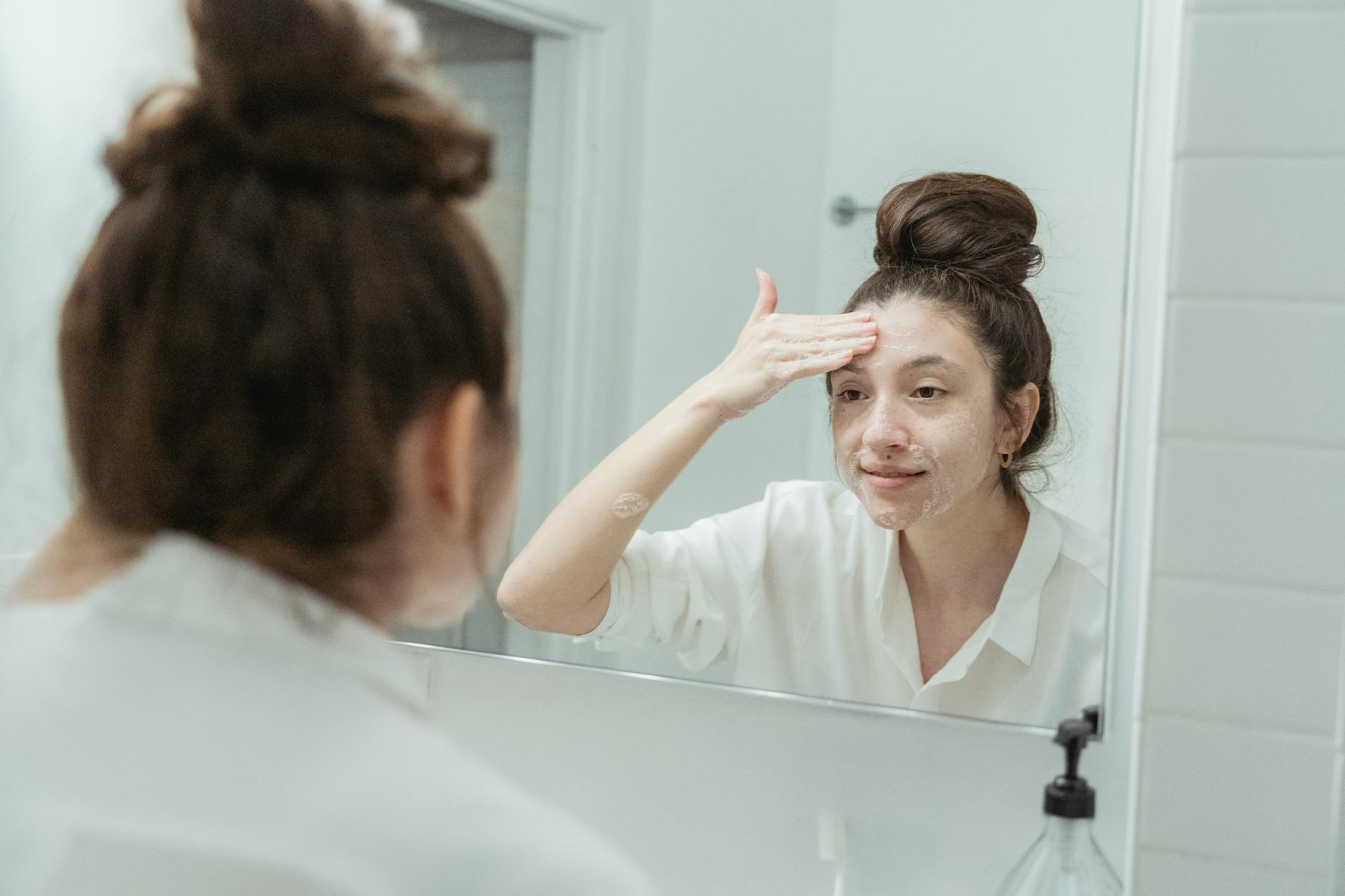
Some cleansers leave residue on your skin because they’re formulated with occlusive ingredients—oils, silicones, and waxes—that don’t rinse away cleanly.

Hairline acne is often caused by hair products—particularly those containing oils and other pore-clogging ingredients.

Your skin breaks out after travel or when moving to a new climate because your body is experiencing multiple simultaneous stressors—temperature changes,…

When your skin breaks out after a positive lifestyle change, the irony can be frustrating. The primary reason acne worsens after diet or lifestyle shifts…