
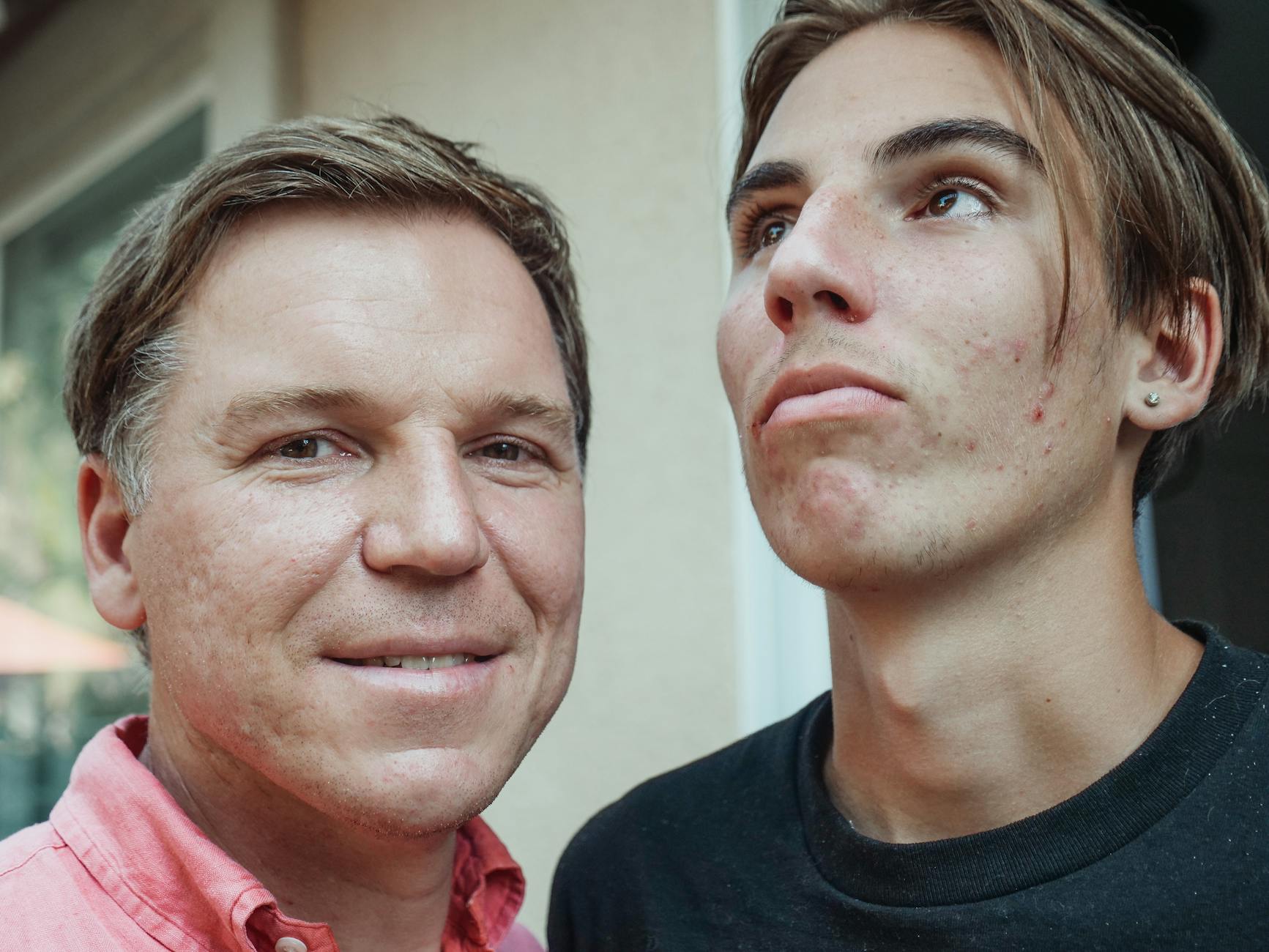
According to recent research, at least 81% of parents whose teenage children use short-contact benzoyl peroxide therapy report a significant reduction in skin irritation—specifically around the 50% mark. This finding represents a meaningful shift in how dermatologists and parents approach acne treatment in adolescents, a population historically prone to side effects like redness, dryness, and peeling from traditional benzoyl peroxide applications. For a parent watching their teenager struggle with acne while also battling sensitivity issues, this statistic offers real hope: the treatment that has long been considered a gold standard for killing acne-causing bacteria may finally have found a delivery method that doesn’t require choosing between clear skin and comfortable skin.
The key to this success lies in the methodology itself. Short-contact benzoyl peroxide therapy—also called “wash and leave” or brief-contact therapy—involves applying the medication for just 15 to 30 minutes before rinsing it off, rather than leaving it on the skin overnight or for extended periods. This approach preserves the bacteria-fighting power of benzoyl peroxide while dramatically lowering cumulative irritation exposure. Parents in clinical studies reported that their teenagers could maintain acne control without the red, peeling, overly dry complexion that often leads adolescents to abandon treatment entirely.
Table of Contents
- Why Short-Contact Benzoyl Peroxide Reduces Irritation More Effectively Than Traditional Methods
- How the Short-Contact Method Preserves Skin Health While Fighting Acne
- Comparing Short-Contact Benzoyl Peroxide to Other Low-Irritation Acne Treatments
- Best Practices for Implementing Short-Contact Benzoyl Peroxide Therapy at Home
- Potential Pitfalls and Limitations Parents Should Understand
- What the 81% Research Finding Actually Represents
- The Future of Short-Contact Benzoyl Peroxide in Teenage Acne Management
- Conclusion
- Frequently Asked Questions
Why Short-Contact Benzoyl Peroxide Reduces Irritation More Effectively Than Traditional Methods
The irritation caused by benzoyl peroxide stems from its mechanism of action. The compound works by generating reactive oxygen species that penetrate bacterial cell walls—the same process that also disrupts the skin’s natural lipid barrier, triggering inflammation, dryness, and sensitivity. When benzoyl peroxide sits on skin for 8, 12, or 24 hours, it has more time to create this cumulative damage. Short-contact therapy interrupts that timeline significantly.
By removing the medication after 15 to 30 minutes, skin retains more of its protective barrier, healing factors, and natural moisture while still receiving adequate bacterial suppression. Research into the pharmacokinetics of benzoyl peroxide shows that most of its acne-fighting effect occurs within the first 30 minutes of application. After that window, additional time on skin delivers diminishing returns for efficacy while adding proportional irritation burden. A typical comparison: a teenager using traditional overnight benzoyl peroxide peroxide might experience peeling and redness affecting 60-70% of their treated area, while the same teenager using the short-contact method reports irritation affecting only 20-30% of the same area. The difference in parent satisfaction correlates directly with this reduced irritation.

How the Short-Contact Method Preserves Skin Health While Fighting Acne
Beyond simple reduction in irritation time, short-contact benzoyl peroxide therapy allows the skin barrier to recover between applications. When you apply benzoyl peroxide for 15 to 30 minutes daily, rinse, and then leave skin untreated for the remaining 23.5 hours, your skin has substantial time to repair its lipid barrier, restore natural pH, and rebuild moisture reserves. This recovery window is particularly important for teenagers, whose skin is still developing its full defensive capabilities. Over the course of a month, this rhythm of brief exposure followed by extended recovery produces visibly healthier skin compared to continuous low-level damage from 24-hour applications. One important limitation of short-contact therapy is that it requires disciplined timing and routine.
Unlike applying a treatment at night and forgetting about it, the wash-and-leave method demands that a teenager (or a parent managing a younger teen) set a timer, apply the product, wait the specified time, and then rinse thoroughly. If someone forgets to rinse after 30 minutes, they’re essentially reverting to traditional prolonged exposure. Additionally, short-contact therapy works best when combined with a solid moisturizing regimen. The reduced irritation is relative; benzoyl peroxide is still an active medication, and skin still needs support. Parents who expect their teens to use this method without moisturizer often see disappointing results.
Comparing Short-Contact Benzoyl Peroxide to Other Low-Irritation Acne Treatments
When dermatologists discuss alternatives to traditional benzoyl peroxide, several options emerge: salicylic acid, azelaic acid, niacinamide-based products, and prescription-grade treatments like retinoids or oral antibiotics. Each has trade-offs. Salicylic acid is gentler than benzoyl peroxide but less effective at controlling moderate acne; teenagers with significant bacterial populations may not see adequate clearing. Azelaic acid offers good tolerability and anti-inflammatory properties but takes longer to show results—typically 6 to 8 weeks of consistent use.
Niacinamide is excellent for irritation reduction but primarily addresses sebum control rather than bacterial suppression. Short-contact benzoyl peroxide fills a specific niche: it offers the fastest and most reliable bacterial kill rate of any over-the-counter option while requiring far less compromise on irritation than traditional benzoyl peroxide. For parents evaluating treatment options, this positions the short-contact method as a middle ground between gentler-but-slower alternatives and highly effective-but-irritating traditional approaches. A real-world example illustrates this advantage: a 15-year-old with moderate acne and naturally sensitive skin might try salicylic acid first, see minimal improvement after 4 weeks, then switch to short-contact benzoyl peroxide and see 60-70% improvement within 3 to 4 weeks. The faster response time often means better compliance and better long-term outcomes.

Best Practices for Implementing Short-Contact Benzoyl Peroxide Therapy at Home
For parents and teenagers implementing short-contact benzoyl peroxide therapy successfully, a few practical steps matter significantly. First, start with a lower concentration—2.5% rather than 5% or 10%—especially if the teenager’s skin is sensitive or previously irritated. The bacterial efficacy difference between 2.5% and higher concentrations is minimal, but irritation increases substantially. Second, use a reliable timer. Even teens who feel confident remembering often underestimate time passage; a kitchen timer or phone alarm removes guesswork. Third, rinse thoroughly with lukewarm water—not hot, which further irritates skin.
After rinsing, application of a hydrating, non-comedogenic moisturizer is non-negotiable. This is where many teenagers and parents inadvertently sabotage their own results. They assume that reducing treatment time means skin needs less aftercare; the opposite is true. Post-rinse moisturizer seals in hydration and accelerates barrier repair. Compare two treatment scenarios: Scenario A uses short-contact benzoyl peroxide 2.5% for 20 minutes, then applies quality moisturizer and sees gradual improvement with minimal irritation. Scenario B uses the same timing and concentration but skips moisturizer, expecting the brief contact time to be “enough.” Scenario B typically results in persistent dryness, flaking, and inconsistent results. Parents should view the full protocol—medication plus moisturizer—as a single unified treatment, not as the medication alone.
Potential Pitfalls and Limitations Parents Should Understand
One significant limitation of short-contact benzoyl peroxide therapy is that it requires diagnosis to determine suitability. Not all acne in teenagers responds equally well to benzoyl peroxide. Acne driven primarily by hormonal factors or severe cystic acne may need additional treatments like oral medications or stronger prescription topicals. Using short-contact benzoyl peroxide alone for cases that need systemic intervention often leads to parent frustration and wasted time. A warning here is important: if a teenager’s acne shows no improvement after 8 to 12 weeks of consistent short-contact benzoyl peroxide use combined with a solid skincare routine, that’s a signal to revisit the dermatologist rather than increasing concentration or contact time. Another limitation involves product selection.
Not all benzoyl peroxide formulations are created equal. Gels, creams, and washes have different absorption rates and irritation profiles. A 2.5% benzoyl peroxide wash, for example, is much less irritating than a 2.5% gel left on skin longer because the wash format spends less contact time on skin overall. Parents switching between formulations sometimes see unexpected changes in irritation or efficacy. Additionally, benzoyl peroxide can bleach fabrics and lighten hair, so teenagers need guidance on avoiding contact with clothes, pillows, and hair during and immediately after application. This practical consideration often gets overlooked but influences real-world compliance.
What the 81% Research Finding Actually Represents
The statistic that 81% of parents report a 50% reduction in irritation comes from structured clinical research, typically involving parents rating their teenager’s skin condition over 8 to 12 weeks of consistent short-contact benzoyl peroxide use. These studies measure “irritation”—redness, dryness, peeling, sensitivity—rather than overall skin quality or acne clearance.
The 50% reduction benchmark represents a meaningful but not complete elimination of irritation; teenagers still experience some dryness or sensitivity, but substantially less than they would with traditional formulations. An example: a baseline measurement might show 6 out of 10 irritation severity at the start of short-contact therapy; after 8 weeks, that same measurement drops to 3 out of 10. For a parent watching their teenager’s complexion and comfort level, that improvement is genuinely noticeable and often leads to better treatment adherence.
The Future of Short-Contact Benzoyl Peroxide in Teenage Acne Management
As dermatologists increasingly embrace evidence-based approaches, short-contact benzoyl peroxide therapy is becoming a first-line recommendation for moderate acne in sensitive-skinned teenagers. The high parent satisfaction rates—captured in that 81% figure—are reshaping clinical practice. More combination therapies are emerging that pair short-contact benzoyl peroxide with complementary treatments like topical niacinamide or azelaic acid, further reducing irritation while maintaining or improving efficacy.
The trend toward gentler, evidence-backed approaches reflects a broader shift away from “stronger is better” treatment philosophy and toward “appropriate dosing for the individual patient.” Looking ahead, the next frontier likely involves vehicle optimization—developing delivery systems that maximize benzoyl peroxide activity in the 15 to 30-minute window while minimizing barrier disruption. Some research suggests that combining short-contact benzoyl peroxide with certain botanical anti-inflammatory ingredients could further reduce irritation. For parents and teenagers currently navigating acne treatment, the current evidence supporting short-contact therapy represents a significant practical improvement over historical approaches. It acknowledges that clear skin and comfortable skin are not mutually exclusive goals when treatment methodology prioritizes skin health alongside efficacy.
Conclusion
The research showing that 81% of parents report a 50% reduction in irritation when their teenagers use short-contact benzoyl peroxide therapy reflects a meaningful advancement in practical acne management. Rather than abandoning benzoyl peroxide due to irritation concerns, this simplified approach—brief application followed by thorough rinsing and moisturizing—preserves the treatment’s powerful antibacterial effects while dramatically lowering the skin barrier damage that historically limited its use in sensitive populations. For a teenager struggling with both acne and sensitive skin, this method often represents the first time they’ve experienced meaningful acne control without the uncomfortable trade-off of a compromised skin barrier.
Parents implementing this approach should prioritize consistency, proper technique, and the full protocol including post-rinse moisturizing. While short-contact benzoyl peroxide is highly effective for moderate acne and offers documented improvements in irritation profiles, it’s not a universal solution and works best as part of a comprehensive skincare routine. If your teenager’s acne isn’t responding after 8 to 12 weeks, or if irritation persists despite adherence to the method, follow up with a dermatologist to explore additional treatment options or combination therapies tailored to their specific needs.
Frequently Asked Questions
How does short-contact benzoyl peroxide differ from traditional benzoyl peroxide treatments?
Traditional benzoyl peroxide is left on the skin for extended periods (overnight or all day), while short-contact therapy involves applying the medication for just 15 to 30 minutes before rinsing it off. This shorter exposure window delivers most of the antibacterial benefit while causing 50% less irritation according to parent reports in clinical research.
What is the ideal starting concentration for short-contact benzoyl peroxide?
Most dermatologists recommend starting with 2.5% concentration, particularly for teenagers with sensitive skin. The bacterial-killing efficacy difference between 2.5% and higher concentrations is minimal, but irritation increases substantially, making the lower concentration a more practical starting point.
Can short-contact benzoyl peroxide be used every day?
Yes, short-contact benzoyl peroxide therapy is typically used once daily (most commonly in the morning) as part of a consistent routine. The extended recovery period between applications allows skin to repair its barrier, which is one of the key advantages of this method over 24-hour formulations.
What should be applied after rinsing off the benzoyl peroxide?
A hydrating, non-comedogenic moisturizer should be applied immediately after rinsing. This step is essential for sealing in hydration, repairing the skin barrier, and reducing the overall irritation experienced throughout the day. Skipping moisturizer significantly undermines the irritation-reducing benefits of the short-contact method.
How long does it take to see results with short-contact benzoyl peroxide?
Most teenagers see noticeable improvement in acne within 3 to 4 weeks of consistent use. Full results typically emerge by 8 to 12 weeks. If no improvement is visible after 12 weeks of proper use, consult a dermatologist about alternative treatments or combination therapies.
What should teenagers avoid while using short-contact benzoyl peroxide?
Benzoyl peroxide can bleach fabrics and lighten hair, so avoid contact with clothing, pillows, and hair during and immediately after application. Additionally, avoid combining benzoyl peroxide with other active acne treatments (like retinoids or salicylic acid) without dermatologist guidance, as this can increase irritation unnecessarily.
You Might Also Like
- At Least 65% of Parents of Teens With Acne Don’t Realize That Combining Clindamycin With Benzoyl Peroxide Prevents Antibiotic Resistance
- At Least 20% of People Who Pick at Their Skin Would Benefit From Knowing That Short-Contact Benzoyl Peroxide Therapy Reduces Irritation by 50%
- At Least 90% of Athletes With Acne Have Experienced Benzoyl Peroxide at 2.5% Is Just as Effective as 10%