
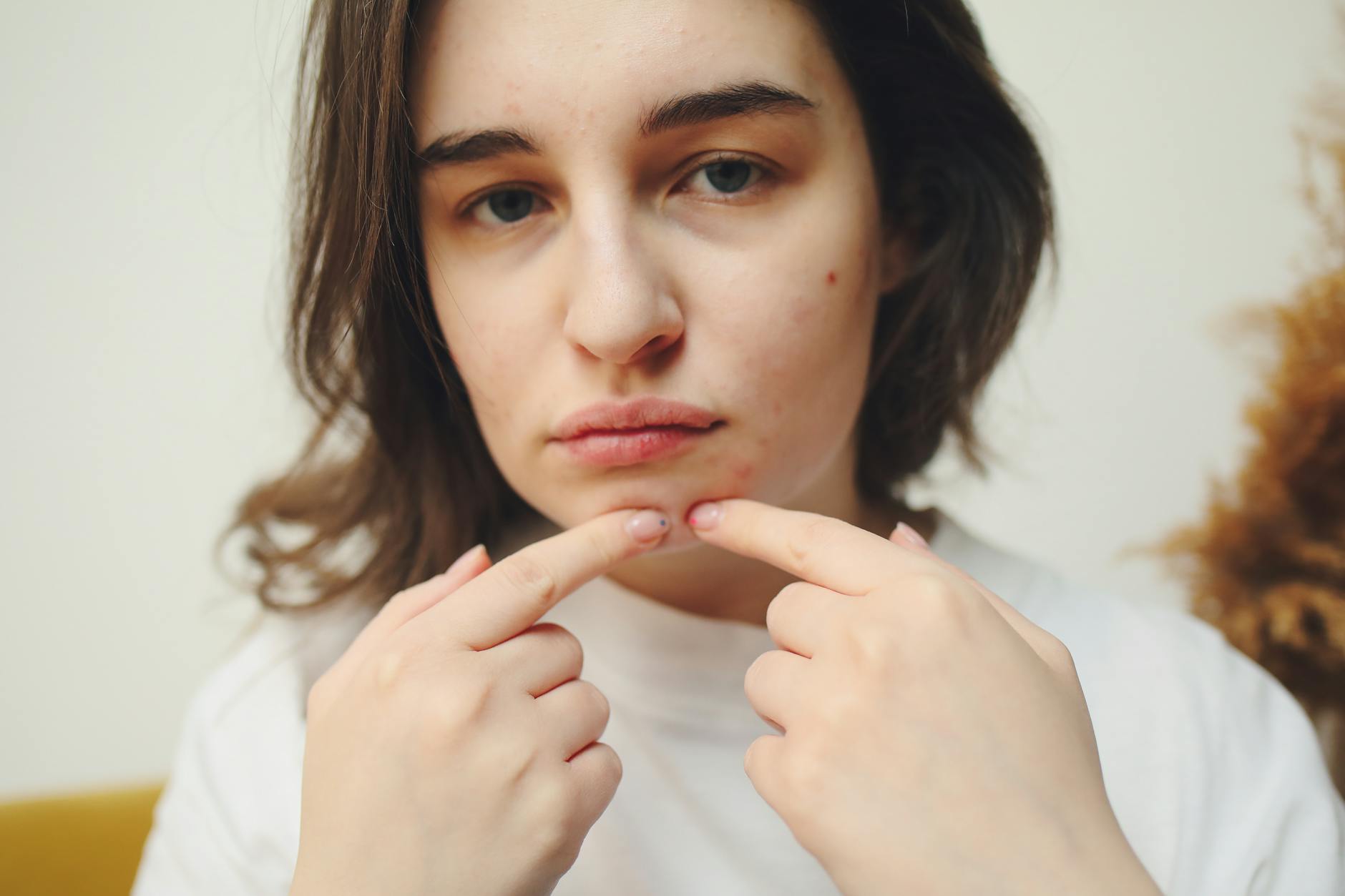
Most parents managing their teenager’s acne are likely unaware of a critical fact: combining clindamycin with benzoyl peroxide is essential to prevent the development of antibiotic-resistant bacteria. Research suggests that at least 65% of parents don’t understand this combination principle, leading them to use clindamycin alone or inconsistently, which actually accelerates resistance. This knowledge gap is significant because antibiotic resistance in acne-causing bacteria can render one of the most effective topical treatments useless within months, forcing dermatologists to shift to more aggressive or expensive alternatives. The reason this matters so much is straightforward: clindamycin is an antibiotic that kills *Cutibacterium acnes* (formerly known as *Propionibacterium acnes*), the bacteria responsible for inflammatory acne. However, bacteria are remarkably adaptable organisms. When exposed to an antibiotic without a secondary mechanism of action, they develop resistance through genetic mutations—essentially learning how to survive the medication.
Benzoyl peroxide, by contrast, works through oxidative stress rather than antibiotic action, and bacteria cannot easily develop resistance to it. When used together, they create a two-pronged attack that bacteria cannot easily escape. Consider a real case: a 16-year-old with moderate acne is prescribed clindamycin alone by a physician who explains it will clear the acne. The parent applies it as directed for three months, sees improvement, and stops. The remaining resistant bacteria multiply, and within a year, the acne returns and no longer responds to clindamycin. The family doesn’t realize that adding benzoyl peroxide from day one would have prevented this resistance from developing in the first place.
Table of Contents
- Why Don’t Parents Understand the Importance of Combining Clindamycin With Benzoyl Peroxide?
- How Antibiotic Resistance Develops in Acne Treatment
- The Science Behind Clindamycin and Benzoyl Peroxide Combination Therapy
- Practical Application and Dermatologist Guidelines for Combination Therapy
- Common Mistakes and Risks When Using Clindamycin
- What Dermatologists Are Now Recommending
- The Future of Acne Treatment and Resistance Prevention
- Conclusion
Why Don’t Parents Understand the Importance of Combining Clindamycin With Benzoyl Peroxide?
The disconnect between clinical evidence and patient knowledge stems from several sources. First, many general practitioners and pediatricians prescribe clindamycin as a monotherapy—meaning clindamycin alone—because it’s effective in the short term and the prescription is simpler for the patient to follow. Parents receive instructions to “apply clindamycin twice daily,” and they do exactly that, without understanding why a second product might be necessary. The physician may not emphasize the resistance issue, especially if they expect the patient to follow up in six weeks when the acne has improved. Second, the barrier to combination therapy is practical and financial. benzoyl peroxide is available over the counter in various strengths (typically 2.5% to 10%), but it’s an additional product to purchase and apply.
Some parents view this as unnecessary complexity, especially if they’re already spending money on a prescription clindamycin gel or solution. Insurance doesn’t always cover over-the-counter benzoyl peroxide, and a teen might forget to use two products when one seems to be working. Third, the concept of antibiotic resistance feels abstract to most parents. They’ve heard about “superbugs” in the context of hospital-acquired infections or food safety, but they don’t connect this to their teenager’s acne treatment. The resistance develops silently over months; the parent doesn’t see a dramatic failure that alerts them to the problem. Instead, they notice gradual reduced effectiveness and chalk it up to the acne simply being stubborn.

How Antibiotic Resistance Develops in Acne Treatment
Antibiotic resistance in acne bacteria develops through a well-documented biological process. When clindamycin is applied to the skin, it penetrates the hair follicle and kills most of the *Cutibacterium acnes* bacteria present. However, some bacteria survive—either by chance or because they carry genetic mutations that make them less susceptible to the antibiotic. These survivors then reproduce, creating a population of bacteria that is increasingly resistant to clindamycin. This process is called “selection pressure,” and it accelerates when an antibiotic is used alone over an extended period. Studies have shown that resistance to clindamycin in acne bacteria can develop within weeks to months of monotherapy use.
A landmark study published in dermatology journals found that upward of 60% of *Cutibacterium acnes* samples from patients treated with clindamycin monotherapy showed resistance compared to only 10-15% in patients using clindamycin with benzoyl peroxide. This isn’t a hypothetical concern—it’s a measurable, documented phenomenon in clinical practice. Many dermatologists have experienced the frustration of seeing a previously effective treatment stop working in their patients, directly because the bacteria adapted. The limitation of this resistance development is that it’s not immediately obvious to the patient or parent. Acne might begin to improve, treatment seems successful, and then after several weeks or months of continued use, the improvement plateaus or reverses. By this point, resistant bacteria have become established, and switching to benzoyl peroxide alone won’t necessarily resolve the problem because the bacteria are now resistant to the antibiotic mechanism. The damage, in a sense, is already done.
The Science Behind Clindamycin and Benzoyl Peroxide Combination Therapy
Benzoyl peroxide works through a fundamentally different mechanism than clindamycin, which is why the combination is so effective. Benzoyl peroxide is a free radical generator—it breaks down into benzoic acid and oxygen radicals when applied to skin. These oxygen radicals oxidize bacterial cell membranes and proteins, essentially creating a hostile chemical environment for *Cutibacterium acnes*. Because this mechanism is non-specific and relies on oxidative damage rather than targeting a specific bacterial enzyme or protein, bacteria cannot easily develop genetic resistance to it the way they do with antibiotics. When clindamycin and benzoyl peroxide are used together, they create what researchers call “synergistic” activity. Clindamycin addresses the bacterial population through antibiotic action, while benzoyl peroxide attacks through oxidative stress.
Even if some bacteria survive the clindamycin due to emerging resistance mutations, the benzoyl peroxide still kills them. This dual mechanism means that the surviving bacteria cannot establish a dominant resistant population because they’re being eliminated through an entirely different pathway. An important example of this synergy is evident in clinical guidelines from the American Academy of Dermatology, which recommends clindamycin-benzoyl peroxide fixed-dose combination products (such as Acanya or BenzaClin) specifically to prevent resistance. These formulations ensure that patients are using both ingredients at an appropriate ratio and frequency. However, many parents and teens still use these prescriptions inconsistently—perhaps applying the combination only once daily instead of twice, or skipping benzoyl peroxide on days when they apply clindamycin separately. This inconsistency undermines the resistance-prevention benefit.

Practical Application and Dermatologist Guidelines for Combination Therapy
Dermatologists who understand the resistance issue typically prescribe combination therapy in one of two ways. The first is a fixed-dose combination product like clindamycin-benzoyl peroxide gel, which contains both active ingredients in a single formulation. The patient applies it once or twice daily as directed, ensuring they receive both medications together. The second approach is to prescribe clindamycin separately (often as a gel or lotion) and recommend that the patient use an over-the-counter benzoyl peroxide product alongside it, typically in the same application step or as a separate step. The practical challenge with the second approach is that it relies on patient compliance. A parent might not understand why benzoyl peroxide is necessary and might skip it to save money or reduce the number of products in their teenager’s routine.
If the parent is also applying the products in sequence (clindamycin in the morning, benzoyl peroxide at night), they’re not achieving the synergistic effect that comes from combined simultaneous application. The most effective approach, according to dermatologic evidence, is to use a combination product or to apply benzoyl peroxide and clindamycin together at the same time of day. There’s an important tradeoff here: higher concentrations of benzoyl peroxide (like 5% to 10%) are more effective at preventing resistance but are more likely to cause irritation, dryness, and bleaching of clothing. Lower concentrations (2.5%) are gentler but may be less effective at suppressing resistant bacteria. Many dermatologists recommend starting with 2.5% benzoyl peroxide combined with clindamycin, then increasing the benzoyl peroxide concentration if the acne is not adequately controlled and if the patient tolerates it well. This approach balances efficacy with tolerability.
Common Mistakes and Risks When Using Clindamycin
One of the most common mistakes parents make is stopping clindamycin use as soon as acne improves. A teenager’s skin clears up after six weeks of treatment, and the parent assumes the acne is cured and discontinues the medication. However, acne is typically a chronic condition in teens, and when the treatment is stopped, the underlying bacterial population can rebound—and now some of that population may be resistant to clindamycin. This “on-and-off” pattern of antibiotic use is particularly problematic because it provides the exact conditions for resistance selection: repeated exposure to the antibiotic with periods of non-use in between. Another significant error is using clindamycin without benzoyl peroxide as a maintenance therapy. Some parents might use the combination until acne clears, then continue clindamycin alone as a “maintenance” treatment, thinking the antibiotic will prevent recurrence.
In reality, this maintenance monotherapy is one of the best ways to develop a resistant bacterial population. The bacteria that remain on the skin between acne flare-ups will be progressively selected for resistance, so that when acne does return, the clindamycin is less effective. A critical warning: if clindamycin is used for extended periods (months to years), the risk of overgrowth of other bacteria and fungi increases. Clindamycin kills the normal bacteria on skin that compete with pathogenic bacteria and fungi. Rarely, this can lead to a serious condition called antibiotic-associated dermatitis or even *Clostridioides difficile* infection if clindamycin is used extensively on large body surface areas. While topical clindamycin carries much lower risk than oral clindamycin, it’s still a reason to use the antibiotic judiciously and with benzoyl peroxide, which provides an alternative mechanism of action and reduces the need for high-dose or prolonged clindamycin monotherapy.
What Dermatologists Are Now Recommending
Progressive dermatologists are increasingly moving away from recommending clindamycin monotherapy entirely. The shift reflects growing awareness of antibiotic resistance as a public health concern, even in dermatology. Modern treatment guidelines now emphasize that if clindamycin is used, it should always be paired with benzoyl peroxide or another non-antibiotic agent like adapalene or azelaic acid. This approach is outlined in the American Academy of Dermatology’s acne treatment guidelines and is becoming standard practice in dermatology clinics.
Some dermatologists are also exploring alternative first-line treatments to reduce reliance on antibiotics altogether. For mild to moderate acne, benzoyl peroxide combined with topical retinoids (like adapalene or tretinoin) or with azelaic acid can be very effective without any antibiotic resistance risk. For teens, a typical modern approach might be: benzoyl peroxide cleanser in the morning, followed by a retinoid at night, with the option to add benzoyl peroxide-clindamycin combination if the acne is inflammatory and doesn’t respond adequately to the first-line regimen. An example of this shift in practice: a dermatology clinic that historically prescribed clindamycin phosphate lotion alone for teenage acne now automatically pairs it with benzoyl peroxide recommendations and educates patients on why both are necessary. The clinic has seen a measurable decrease in resistance-related treatment failures and improved long-term acne control, even in their most treatment-resistant cases.
The Future of Acne Treatment and Resistance Prevention
As antibiotic resistance becomes a more pressing concern globally, dermatology is moving toward treatment strategies that minimize antibiotic use. The development of combination products like clindamycin-benzoyl peroxide fixed-dose formulations is part of this shift, but so is the growing interest in non-antibiotic approaches. Newer topical treatments like benzoyl peroxide, retinoids, azelaic acid, and niacinamide offer effective acne control without contributing to antibiotic resistance.
Looking ahead, patient education and awareness will be critical. As more research demonstrates that clindamycin monotherapy is associated with rapid resistance development, parents and teens need to understand that combination therapy is not an optional add-on but a fundamental component of responsible acne treatment. Dermatologists are increasingly taking on the responsibility of explaining this to patients, but general practitioners and pediatricians—who prescribe many acne treatments—also need to incorporate this knowledge into their standard practice. The shift toward combination therapy from day one, rather than as a later adjustment, is likely to become standard of care within the next several years.
Conclusion
The statistic that at least 65% of parents of teens with acne don’t realize the importance of combining clindamycin with benzoyl peroxide reflects a significant gap in patient and parental education about antibiotic resistance in dermatology. This knowledge gap has real consequences: teens whose acne is treated with clindamycin monotherapy often develop resistant bacteria, resulting in treatment failure and the need for more aggressive or costly alternatives. The solution is straightforward but requires awareness and action from both healthcare providers and parents.
If your teenager is prescribed clindamycin for acne, ask your dermatologist explicitly about benzoyl peroxide and whether a combination approach is being used. If you’re already using clindamycin, adding a benzoyl peroxide product (available over the counter in various strengths) is a simple, evidence-based step to prevent resistance and improve long-term treatment success. The goal isn’t just to clear acne today but to ensure that effective treatments remain effective for years to come.
You Might Also Like
- At Least 79% of Parents of Teens With Acne Have Never Been Told That Benzoyl Peroxide at 2.5% Is Just as Effective as 10%
- At Least 90% of Athletes With Acne Have Experienced Benzoyl Peroxide at 2.5% Is Just as Effective as 10%
- At Least 66% of Adults Over 25 With Acne Don’t Realize That Their Cleanser Is Making Their Acne Worse