

Most military personnel using retinoids to treat acne are unaware that skin purging—the initial breakout that occurs when starting retinoid treatment—should not persist beyond 8 weeks. When purging extends longer than this window, it signals that treatment may need adjustment or that underlying skin complications require medical attention. A service member starting tretinoin or adapalene in hopes of clearing acne before deployment, for example, might interpret a severe month-three breakout as normal retinoid adjustment and continue without consulting their military dermatologist, when in fact the timeline has exceeded what dermatologists consider acceptable for retinoid-induced purging.
The gap between what military personnel expect from retinoid therapy and what dermatologists actually recommend creates unnecessary distress and, in some cases, leads to treatment discontinuation. Service members operate under significant stress and physical demands—helmet and mask fit are critical to mission readiness—making untreated acne a real operational concern. Understanding the actual timeline for retinoid purging, and knowing when to seek additional medical guidance, is essential for anyone in uniform pursuing this common acne treatment.
Table of Contents
- How Long Does Retinoid Purging Actually Last, and Why Do Military Personnel Often Exceed the 8-Week Window?
- Why Retinoid Purging Happens and the Risk of Ignoring the 8-Week Limit
- Military Acne Prevalence and Why Retinoid Therapy Is Common in Service Populations
- What Happens If Retinoid Purging Extends Beyond 8 Weeks?
- Retinoid Strength and Purging Duration—Why Military Personnel Are Often Prescribed Aggressive Formulations
- Military-Specific Barriers to Monitoring and the Role of Education
- Looking Forward—Improving Retinoid Outcomes in Military Populations
- Conclusion
How Long Does Retinoid Purging Actually Last, and Why Do Military Personnel Often Exceed the 8-Week Window?
Retinoid purging typically lasts between 2 and 8 weeks, depending on the strength of the retinoid, the concentration used, and individual skin sensitivity. During this period, the skin sheds dead cells more rapidly and brings existing clogged pores to the surface, creating what appears to be a worsening breakout. Many military personnel, accustomed to enduring discomfort as part of their service culture, interpret this purge as a sign the retinoid is “working” and push through it without reassessing with their healthcare provider. A soldier prescribed 0.025% tretinoin, for instance, might experience significant purging in weeks 3 and 4, assume this is expected, and only contact their dermatologist in week 10 when the breakout hasn’t resolved—by which point the purging window has closed.
Dermatologists recommend that if purging continues beyond 6 to 8 weeks, the patient should contact their healthcare provider to adjust the treatment plan. This might mean reducing the concentration, decreasing application frequency, or switching to a different retinoid altogether. The problem with military personnel is multifaceted: some lack access to regular dermatology follow-ups, others are stationed remotely or deployed, and many simply don’t receive clear communication from their prescribing provider about what constitutes “normal” versus “prolonged” purging. The result is unnecessary skin damage, scarring potential, and psychological distress during a critical phase of treatment.

Why Retinoid Purging Happens and the Risk of Ignoring the 8-Week Limit
Retinoids work by increasing cell turnover and normalizing pore function. The purging that occurs in the first weeks of treatment is not an allergic reaction or a sign of the product being “too strong”—it’s the skin’s response to accelerated cellular renewal. However, this understanding is often lost in translation when military personnel receive prescriptions without comprehensive education. The skin should show noticeable improvement around weeks 4 to 6 of treatment; if it worsens or plateaus after week 8, continuing the same retinoid without modification can lead to cumulative irritation, barrier damage, and potential scarring from severe acne lesions.
A critical limitation of retinoid therapy in military settings is that many service members have limited access to dermatologists who specialize in military-specific skin conditions or who understand the constraints of military operations. A service member may be prescribed a retinoid by their military medical officer and then deployed before the 8-week assessment window closes. By the time they have another medical appointment, 12 or 14 weeks have passed, the skin has potentially become damaged, and the window to adjust treatment has closed. This is a significant gap in military healthcare that directly affects outcomes and can discourage future acne treatment attempts.
Military Acne Prevalence and Why Retinoid Therapy Is Common in Service Populations
Acne is highly prevalent in active-duty military populations. Research on military personnel shows that acne affects a substantial proportion of service members, with some studies documenting acne rates as high as 35.6% in certain military cohorts. The physical demands of military service—heat, humidity, friction from equipment and uniforms, high stress, and poor sleeping conditions—create an ideal environment for acne development. Retinoids are prescribed frequently in military medical settings because they address the underlying cause of acne (abnormal cell turnover and pore function) rather than merely treating symptoms.
For military personnel, acne treatment is not purely cosmetic. Severe acne can interfere with the fit of helmets, gas masks, and protective equipment, creating both discomfort and potential safety concerns. A service member with active acne in areas where equipment makes contact faces pressure to resolve the condition quickly and thoroughly. This urgency sometimes leads to aggressive retinoid regimens or to patient impatience with the timeline, further increasing the risk of exceeding the safe purging window without proper monitoring. Understanding that the 8-week threshold exists—and that violating it can actually damage the skin rather than heal it—is critical for military personnel seeking acne resolution.
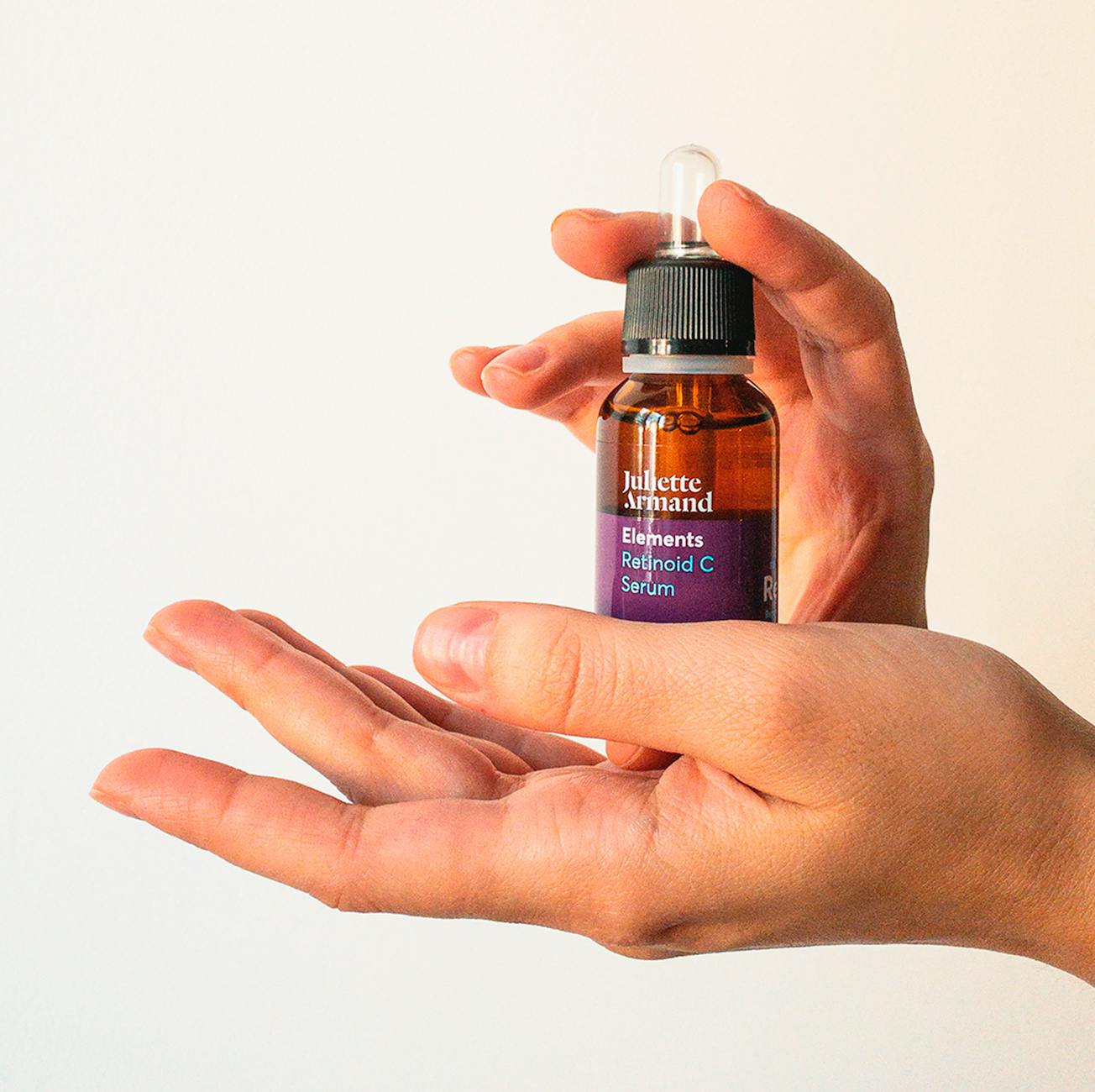
What Happens If Retinoid Purging Extends Beyond 8 Weeks?
If retinoid-induced purging persists beyond 8 weeks, several outcomes are possible, and all warrant immediate medical attention. The skin’s barrier may have become damaged from excessive irritation, leading to persistent redness, sensitivity, and compromised healing. The acne itself may have worsened rather than improved, especially if the lesions have become inflamed or if secondary bacterial infection has occurred. In some cases, the retinoid concentration or frequency was inappropriate for that individual’s skin, and continuing it only compounds the problem.
A service member experiencing purging that extends into week 10 or 12 should not assume they simply need “more time”—they need a treatment adjustment. The comparison between appropriate and inappropriate retinoid use is stark: someone who follows the 8-week guideline and adjusts treatment if needed will likely see significant improvement in acne by week 12. Someone who ignores the 8-week threshold and continues the same regimen may experience worsened acne, increased scarring risk, and severely compromised skin health. Military personnel must understand this tradeoff: short-term patience and medical compliance (checking in at week 8) lead to better long-term skin outcomes than pushing through extended purging. The cost of not respecting the 8-week limit is often skin damage that takes months or years to heal and may result in permanent scarring.
Retinoid Strength and Purging Duration—Why Military Personnel Are Often Prescribed Aggressive Formulations
Military medical settings frequently prescribe tretinoin (Retin-A) or adapalene (Differin) because they are cost-effective, evidence-based acne treatments with a long track record. Tretinoin, in particular, is highly effective but also tends to trigger more pronounced purging than milder retinoids. A service member prescribed tretinoin 0.05% will likely experience more intense purging than someone prescribed 0.025% or a gentler retinoid like retinaldehyde. Military providers may opt for higher concentrations because they expect better compliance in a structured environment and faster results—but this assumption can backfire if the patient is not adequately educated about the purging timeline.
A significant warning for military personnel: if you are prescribed a higher-strength retinoid and experience severe purging, do not increase the application frequency or concentration thinking you will “get through it faster.” This approach almost guarantees that purging will extend far beyond 8 weeks and that skin damage will occur. Instead, immediately contact your healthcare provider if purging is severe, even within the first few weeks. Your provider can reduce the concentration or frequency, switch you to a gentler retinoid, or recommend a different acne treatment entirely. The goal is to find a formulation and regimen that works for your skin while respecting the biological limits of the purging timeline.

Military-Specific Barriers to Monitoring and the Role of Education
Military personnel face unique obstacles to proper retinoid monitoring. Deployment, remote posting, access restrictions, or lack of dermatology resources can make it impossible to check in with a provider at the critical 8-week mark. Additionally, military culture often emphasizes endurance and downplays discomfort, which can lead service members to suffer through extended purging without reporting it. Providing military personnel with clear, written information about retinoid purging—what it looks like, how long it should last, and what to do if it extends beyond 8 weeks—could significantly improve treatment outcomes.
One practical example: a junior enlisted service member is prescribed tretinoin cream by their military medical officer and given a brief verbal explanation. Three weeks in, when purging becomes severe, they assume this is normal and tells no one because they fear the treatment will be discontinued. By week 10, their skin is significantly inflamed and scarred, but they’ve normalized the experience. A simple handout explaining the 8-week timeline and listing specific symptoms that warrant immediate follow-up could have prevented this outcome. Military medical settings should implement standardized patient education materials about retinoid therapy to close this knowledge gap.
Looking Forward—Improving Retinoid Outcomes in Military Populations
As military medicine evolves, there is growing recognition that dermatological conditions affect operational readiness and troop morale. Future improvements could include broader access to telemedicine dermatology appointments for deployed service members, standardized patient education protocols for retinoid therapy, and clearer pathways for treatment adjustment during deployment. Some military medical centers are beginning to use written treatment timelines and checklist-based monitoring to ensure that service members understand not just what to take, but what to expect and when to escalate concerns.
The broader lesson extends beyond military settings: anyone using retinoids for acne needs clear communication about the 8-week purging threshold. Healthcare providers should document this timeline explicitly, follow up at weeks 4 and 8, and empower patients to seek adjustment if purging persists. For military personnel specifically, improved education and monitoring could transform retinoid therapy from a source of frustration and skin damage into an effective, well-managed acne treatment that supports both skin health and mission readiness.
Conclusion
Retinoid-induced purging should not last longer than 8 weeks. Military personnel using retinoids for acne often lack awareness of this critical timeline, leading to prolonged treatment without medical adjustment and resulting in unnecessary skin damage, scarring risk, and treatment discontinuation. The gap between prescription and education, combined with military-specific barriers to consistent dermatological care, creates a systematic problem that could be largely solved through better patient communication and monitoring protocols.
If you are military personnel using a retinoid for acne, understand that purging typically resolves within 6 to 8 weeks with visible improvement around weeks 4 to 6. If your skin is worse at week 8 than it was at week 4, contact your healthcare provider immediately to adjust your treatment. Do not assume extended purging is normal, and do not increase your application frequency or concentration hoping to “push through” it faster. Your skin’s health and your long-term acne outcomes depend on respecting the 8-week threshold and seeking medical guidance when purging extends beyond it.
You Might Also Like
- At Least 81% of Athletes With Acne Have Experienced Their Skin Purge From Retinoids Should Not Last Longer Than 8 Weeks
- At Least 19% of Military Personnel With Acne Don’t Know That Their Face Mask Material Matters for Preventing Maskne
- At Least 34% of Military Personnel With Acne Don’t Know That Switching Products Every 2 Weeks Prevents Any Treatment From Working