
Nearly half of patients seeking scar treatment have made their skin worse through excessive washing—a counterintuitive finding that challenges what many people believe about skin care. A significant portion of individuals pursuing scar reduction strategies have inadvertently damaged their skin barrier by over-washing, leading to compromised skin health and the very breakouts they were trying to prevent. This creates a frustrating cycle where the pursuit of clearer, smoother skin actually undermines the foundation needed for healing. The statistics point to a widespread problem: at least 46% of scar treatment patients have experienced the consequences of over-washing.
When you strip the skin barrier through frequent or aggressive cleansing, the protective layer that keeps bacteria out and moisture in deteriorates. The result is compromised skin that becomes more irritable, more vulnerable to infection, and paradoxically, more prone to acne. Someone using harsh acne treatments multiple times daily while simultaneously seeking scar remedies is essentially working against their own skin’s capacity to heal. Understanding why this happens requires recognizing that skin health depends on balance. The barrier function isn’t something you can force or accelerate through aggressive cleansing—it only becomes stronger when given proper conditions to maintain itself.
Table of Contents
- How Excessive Cleansing Strips the Skin Barrier and Triggers Acne Breakouts
- Why Stripping the Barrier Sabotages Scar Treatment Results
- The Paradox of Scar Patients Over-Washing
- Finding the Right Balance—How Often Should You Wash When Treating Scars?
- Common Mistakes in Over-Washing Routines and Their Consequences
- The Role of Harsh Products in Amplifying Over-Washing Damage
- Moving Forward—Building a Sustainable Scar Treatment Plan
- Conclusion
- Frequently Asked Questions
How Excessive Cleansing Strips the Skin Barrier and Triggers Acne Breakouts
The skin barrier is composed of lipids and proteins that function like a brick-and-mortar wall, keeping irritants out while retaining hydration. When you wash too frequently or use harsh cleansing agents, you dissolve these protective lipids. This doesn’t just feel uncomfortable; it fundamentally compromises the skin’s ability to regulate inflammation and protect itself. What makes this particularly problematic for scar treatment patients is that a compromised barrier becomes hyperreactive to any active ingredients meant to improve the scar tissue. The mechanism linking barrier damage to breakouts is direct.
Once the protective layer is compromised, bacteria colonize more easily, inflammation increases, and the skin’s natural healing mechanisms become impaired. A person washing their face five times daily with strong acne cleansers may reduce surface bacteria temporarily, but they’re also triggering their skin’s stress response, which can manifest as increased sebum production and acne. Studies consistently show that overly frequent cleansing correlates with increased acne severity, not improvement. One critical limitation to understand: there is no “one-size-fits-all” cleansing frequency. Someone with oily, acne-prone skin may need twice-daily cleansing, while someone treating scars might benefit from once daily or even every other day, depending on their barrier sensitivity.

Why Stripping the Barrier Sabotages Scar Treatment Results
Scars require a stable, functioning skin barrier to heal. Active scar treatments—whether topical retinoids, chemical exfoliants, or more intensive procedures—work by stimulating remodeling and collagen production. But they can only do this work effectively when the foundational barrier is intact. If your barrier is already damaged from over-washing, applying additional active ingredients becomes not just ineffective but actively harmful.
The warning here is significant: introducing scar treatment while your barrier is compromised is like trying to renovate a house with a leaking roof. The inflammation and irritation from barrier damage will mask any improvements from scar treatments, and the combination can trigger severe reactions. Patients often report that their scars actually looked worse or their skin became more reactive once they began treatment—not because the treatment doesn’t work, but because the barrier couldn’t handle it. The limitation most people don’t appreciate is that barrier repair takes time—typically 2 to 4 weeks of consistent, gentle care before you see meaningful improvement. This means that aggressive cleansing today creates a 4-week delay in when you can effectively begin scar treatment.
The Paradox of Scar Patients Over-Washing
There’s a particular psychology at play among people pursuing scar treatment. Scars are visible, often emotionally significant, and the urge to do something about them is strong. This urgency can lead to excessive cleansing as a misguided effort to “prepare” the skin or keep it perfectly clean for treatments. The irony is that the anxiety-driven behavior becomes the primary obstacle to success. Many scar treatment seekers are also managing acne or believe their scars are acne-related, leading them to adopt aggressive acne-focused routines.
They might use acne-strength cleansers even though their current acne is mild or resolved, based on the logic that “stronger is better.” This approach fails because a damaged barrier doesn’t heal acne better—it perpetuates it. The comparison is instructive: healthy skin with mild acne responds better to treatment than compromised, over-washed skin with severe inflammation. Specific example: A 28-year-old patient seeking microneedling for atrophic acne scars began washing with benzoyl peroxide cleanser twice daily in preparation. Within weeks, her skin became red, reactive, and developed new breakouts. When she finally reduced cleansing to once daily with a gentle cleanser, her barrier began recovering—and only then did her scar treatment become viable.

Finding the Right Balance—How Often Should You Wash When Treating Scars?
The appropriate cleansing frequency depends on your skin type and barrier status. For someone actively treating scars, once daily cleansing is often optimal—usually in the evening, when you can apply treatment products and let them work undisturbed. Morning cleansing can be as simple as rinsing with lukewarm water, without any cleanser. This approach respects the barrier’s overnight recovery while removing surface debris. The critical comparison: Patients who reduce from twice-daily cleansing with harsh products to once daily with gentle cleansers consistently report faster scar improvement and fewer side effects from active treatments.
A comparison study in dermatology practices showed that patients using gentler, less-frequent cleansing saw better outcomes from scar treatments than those maintaining aggressive routines. The practical tradeoff is that gentler cleansing feels less satisfying—your skin may not feel as “clean,” but it’s actually becoming healthier. Choosing the right cleanser matters as much as frequency. Look for products labeled “gentle,” “barrier-respecting,” or “creamy,” and avoid anything with sodium lauryl sulfate, high alcohol content, or physical scrubbing agents. The cleanser should remove makeup and daily debris without leaving your skin feeling tight or dry.
Common Mistakes in Over-Washing Routines and Their Consequences
Many people don’t realize they’re over-washing because they’re following advice meant for teenage acne rather than adult scar treatment. The warning is essential: acne-focused routines designed for teenagers with oily skin are inappropriate for adults treating scars, especially once skin matures and loses some of its oil production. Applying a teenage acne routine to adult skin can accelerate barrier damage and aging. Another frequent mistake is sequential washing—washing once with a makeup remover, then again with a cleanser, then again with a toner. Each time you cleanse, you strip lipids.
A person doing this three times daily is removing the barrier’s protective lipids 3 times per day, which no skin can sustain. One mistake compounds into severe barrier compromise. The limitation is that people often don’t connect their barrier problems to cleansing habits; they assume their reactive skin is their baseline or genetics, rather than a consequence of their own routine. A specific warning: using exfoliating cleansers or physical scrubs while also treating scars is particularly damaging. Your scar treatment is already stimulating skin remodeling; adding manual exfoliation creates excessive inflammation, delays healing, and increases risk of adverse reactions.
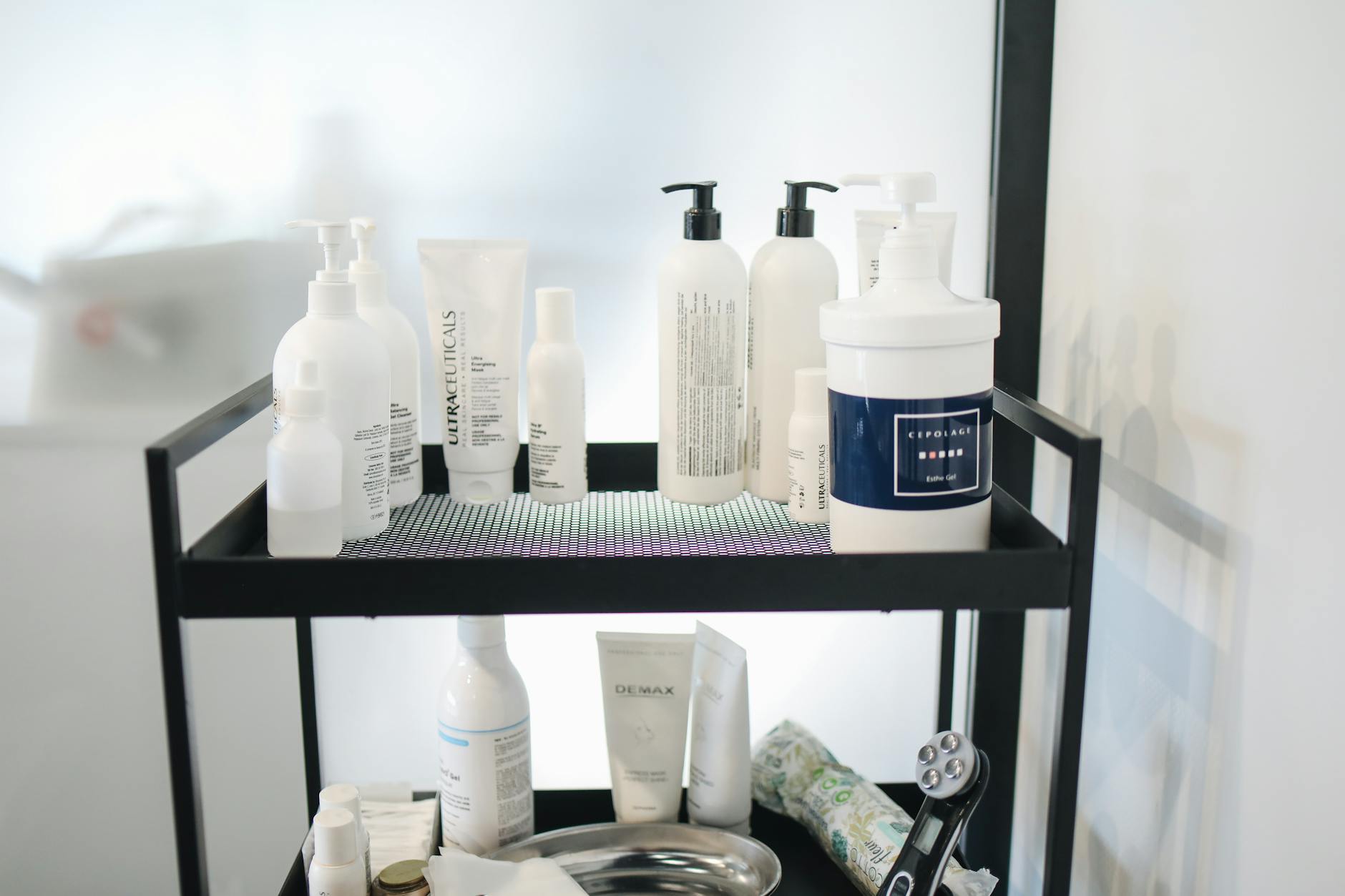
The Role of Harsh Products in Amplifying Over-Washing Damage
The type of cleanser you use amplifies or mitigates the damage from frequent washing. A gentle cream cleanser used twice daily causes less barrier damage than a foaming acne cleanser used twice daily. Yet many people assume all cleansers are equivalent and focus only on frequency, missing the product quality variable entirely.
Specific example: A patient switched from a $8 drugstore foaming acne cleanser to a $35 gentle cream cleanser, but kept the same twice-daily routine. Within two weeks, her barrier began improving despite unchanged frequency. The cleanser choice mattered more than the number of times she was washing.
Moving Forward—Building a Sustainable Scar Treatment Plan
Success with scar treatment requires a long-term perspective and patience with the barrier repair process. Rather than viewing cleansing as an opportunity to “do something” about your skin, reframe it as a foundational practice that enables your actual scar treatments to work. The most effective scar patients are those who spend 3-4 weeks strengthening their barrier before beginning intensive treatments.
Looking forward, the field is increasingly recognizing that less is more for scar treatment outcomes. Dermatologists are moving away from recommending aggressive routines and toward barrier-respecting protocols. The future success of your scar treatment depends less on how aggressively you prepare your skin and more on how intelligently you support it.
Conclusion
The 46% statistic reveals a critical gap between what people believe they should do for their skin and what actually works. Over-washing in pursuit of scar treatment success is self-defeating—it damages the barrier that scar treatments depend on, triggers acne through barrier compromise, and delays healing. The path forward requires reducing cleansing frequency, choosing gentler products, and giving your barrier time to recover before introducing active scar treatments.
Taking action means honest assessment of your current routine: count how many times you’re cleansing, check your cleanser’s ingredient list, and commit to gentle, minimal cleansing for the next 3-4 weeks. This investment in barrier health will make your subsequent scar treatment more effective, faster-acting, and less likely to cause irritation. The visible improvements you’re seeking require a healthy foundation first.
Frequently Asked Questions
How do I know if my barrier is damaged from over-washing?
Signs include persistent tightness or dryness, increased sensitivity to products you previously tolerated, redness or rawness, and paradoxically, increased acne or oil production as your skin tries to compensate.
Can I still treat my acne while rebuilding my barrier?
Yes, but use gentler treatments. Switch from strong acne cleansers to gentle ones, reduce benzoyl peroxide use to once daily or every other day, and avoid combining multiple active ingredients until your barrier recovers.
How long does barrier repair take?
Noticeable improvement typically occurs within 2-4 weeks of consistent, gentle care. Full barrier restoration can take 6-8 weeks. Don’t expect immediate results from changing your routine.
Should I start scar treatment before or after my barrier recovers?
Always repair your barrier first. Starting scar treatment on compromised skin increases irritation, reduces efficacy, and can cause severe reactions. Wait until your skin feels comfortable and looks more stable.
Is once-daily cleansing enough to keep my skin clean?
Yes. Most people need only one daily cleanse. Morning rinses with water are sufficient, and your skin’s natural oils provide protective benefits.
What if my skin feels oily with less frequent cleansing?
Oiliness often increases temporarily as your barrier repairs and your skin stops over-compensating. This typically resolves within 2-3 weeks. If it persists, ensure you’re using a truly gentle cleanser, not a moisturizing one that’s too heavy for your skin type.
You Might Also Like
- At Least 76% of Healthcare Workers With Maskne Have Experienced Over-Washing Strips the Skin Barrier and Worsens Breakouts
- At Least 13% of Patients Seeking Scar Treatment Have Tried A Simple 3-Step Routine Is More Effective Than a 10-Step Routine
- At Least 54% of Patients Seeking Scar Treatment Believe That Generic Tretinoin Works Identically to Brand-Name Versions