
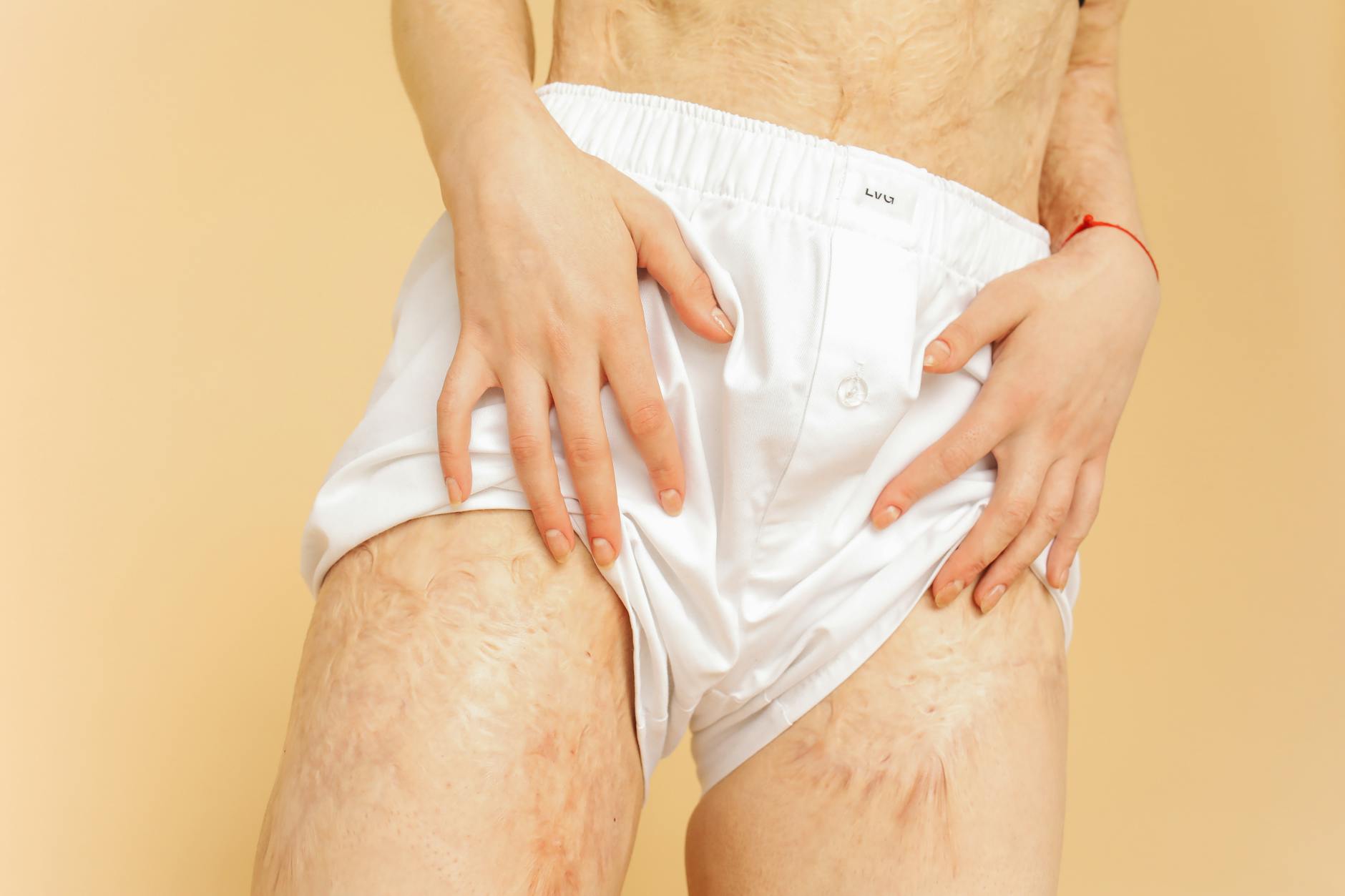
A common misconception in dermatology is that generic and brand-name tretinoin are essentially interchangeable products. While the FDA does classify generic tretinoin as therapeutically equivalent to brand-name formulations like Retin-A, this equivalence applies specifically to the active ingredient and its absorption rate—not necessarily to patient experience or outcomes in every case. A patient using generic tretinoin 0.025% cream for acne scars may see excellent results, while another patient using the identical formulation might experience excessive irritation or find it less effective than a brand-name lotion version of the same strength.
The reality is more nuanced than a simple yes or no answer. The belief that generic and brand-name tretinoin work identically stems partly from FDA approval standards, which require bioequivalence testing. However, this doesn’t account for real-world differences in formulation vehicles, manufacturing processes, or individual skin response. Research shows that tretinoin effectiveness for scar treatment ranges from 79-94% improvement over three to six months of consistent use, but this success depends on multiple factors beyond whether the tretinoin is generic or branded.
Table of Contents
- Do Generic and Brand-Name Tretinoin Really Perform Identically for Scar Treatment?
- How Formulation Differences Affect Tretinoin Effectiveness and Tolerability
- What Clinical Evidence Shows About Tretinoin for Scar Treatment
- How to Choose Between Generic and Brand-Name Tretinoin for Scarring
- Common Misconceptions and Pitfalls in Generic vs. Brand-Name Tretinoin Use
- The Cost-Benefit Reality of Generic Versus Brand-Name Tretinoin
- The Future of Tretinoin Treatment for Scars and Evolving Options
- Conclusion
Do Generic and Brand-Name Tretinoin Really Perform Identically for Scar Treatment?
From a pure pharmacological standpoint, the FDA considers generic tretinoin therapeutically equivalent to brand-name versions because they contain the same active ingredient at the same concentration. However, clinical practice tells a different story. A peer-reviewed study comparing tretinoin formulations found that a brand-name 0.05% lotion produced superior skin appearance and less irritation compared to a generic 0.05% cream—despite containing identical tretinoin doses. This suggests that while the active ingredient is the same, how it’s delivered to the skin matters significantly. The vehicle formulation—whether tretinoin comes as a cream, lotion, gel, or microsphere suspension—affects how well it penetrates, how much irritation it causes, and ultimately how well a patient tolerates treatment.
Someone with severely photodamaged skin seeking to treat atrophic scars might tolerate and benefit from a heavier cream base, while another person with sensitive combination skin might find a lotion formulation more appropriate. Neither is inherently superior; they’re simply different delivery systems for the same active drug. Real-world patient outcomes suggest that while generic tretinoin can absolutely be effective for scar treatment, individual response varies widely. Some patients achieve dramatic scar improvement on generic formulations. Others find that a brand-name product gives them better results or tolerability, making the higher cost worthwhile for their specific situation.
How Formulation Differences Affect Tretinoin Effectiveness and Tolerability
The difference between generic and brand-name tretinoin often comes down to the formulation vehicle and how manufacturers stabilize the notoriously unstable tretinoin molecule. Tretinoin degrades when exposed to light and oxygen, so brand-name products often use proprietary stabilization systems that generic manufacturers may not employ identically. This doesn’t mean generic tretinoin is unstable—it still meets FDA standards—but the formulation nuances can affect real-world performance. One critical limitation is that tretinoin’s irritation profile is heavily influenced by formulation. A lotion base is generally less irritating than a cream at the same strength because it penetrates more quickly and doesn’t sit heavily on the skin.
A patient switching from brand-name tretinoin 0.025% lotion to generic tretinoin 0.025% cream might experience substantially more irritation despite the identical active ingredient percentage. This increased irritation can lead to treatment interruption, reduced adherence, and ultimately poorer scar outcomes. Additionally, the concentration of tretinoin alone doesn’t determine efficacy. A 0.05% formulation that poorly penetrates the skin may be less effective than a 0.025% formulation with superior penetration. Manufacturers’ proprietary technologies—found primarily in brand-name products—sometimes enhance skin penetration, though good generic formulations also achieve excellent results. Patients with severe atrophic or rolling scars need to match not just the tretinoin strength but also the formulation to their skin type and tolerance level.
What Clinical Evidence Shows About Tretinoin for Scar Treatment
Clinical research demonstrates that tretinoin is genuinely effective for certain types of scarring, particularly atrophic (depressed) scars and rolling scars. Studies show that patients using tretinoin consistently achieve 79-94% improvement in scar appearance over three to six months of regular application. One notable study comparing generic tretinoin efficacy in melasma treatment found that generic tretinoin achieved 52.2% efficacy compared to 57.1% for a brand-name formulation (TRI-LUMA), a difference of less than 5 percentage points but still measurable. This data is important for scar treatment because it suggests that generic tretinoin can deliver meaningful clinical benefit, though brand-name formulations may have a slight edge in some cases.
However, the difference of 5 percentage points in a melasma study doesn’t automatically translate to a 5-point difference in scar outcomes, since scars respond differently than pigmentation issues. The evidence supports using generic tretinoin as a first-line treatment for atrophic scars, with the understanding that some patients may ultimately switch to brand-name versions if they don’t achieve desired results or find the irritation unmanageable. A practical example: A 32-year-old with moderate ice-pick scars from teenage acne uses generic tretinoin 0.025% cream for six months and achieves 70% improvement—a genuinely successful outcome that justifies the treatment. Another patient with similar scarring tries the same generic formulation but experiences excessive peeling and irritation after two weeks and stops using it. That patient might have succeeded with a brand-name lotion formulation or a different generic brand entirely.
How to Choose Between Generic and Brand-Name Tretinoin for Scarring
The practical choice between generic and brand-name tretinoin should be driven by cost, skin tolerance, and scar severity rather than an assumption that one is inherently superior. If your dermatologist prescribes tretinoin for scars, requesting a generic formulation first is completely reasonable and often recommended by cost-conscious practitioners. Many patients achieve excellent results this way and never need to switch. However, there are specific scenarios where a brand-name formulation makes sense. If you have very sensitive skin and a lower price point means you can’t afford to buy the prescribed strength, upgrading to a brand-name product with a gentler formulation (like a lotion instead of a cream) might allow you to maintain consistent use.
If you’ve tried generic tretinoin for three months without tolerating it well or seeing improvement, switching to a specific brand-name formulation your dermatologist recommends is worth considering. The cost difference—sometimes $50-150 per month depending on insurance—is an investment in treatment success if it makes the difference between consistent use and abandonment. A comparison: Generic tretinoin 0.025% cream might cost $20-30 monthly with insurance, while brand-name Retin-A 0.025% costs $80-120. If generic works for you, that’s a $50-90 monthly savings. If you stop using generic because of irritation but continue using brand-name, the brand-name version is actually the cheaper option because you’re using it consistently. The lowest-cost tretinoin is the one you’ll actually use.
Common Misconceptions and Pitfalls in Generic vs. Brand-Name Tretinoin Use
One widespread misconception is that generic tretinoin is weaker or lower quality than brand-name versions. This is false. The FDA’s bioequivalence requirement means generic tretinoin must perform identically to brand-name versions in terms of blood concentration and absorption rate. However, what the FDA doesn’t measure is patient satisfaction, skin irritation, or real-world scar improvement at identical doses—metrics that matter to someone actually using the drug. A dangerous pitfall is assuming that if tretinoin isn’t working, you need a higher strength.
If generic tretinoin 0.025% causes significant irritation or peeling, jumping to 0.05% will almost certainly worsen the situation. Instead, this is a signal to either reduce frequency of application, switch to a gentler formulation, or try a different brand (whether generic or name-brand). Many patients abandon tretinoin treatment entirely when they could have succeeded with a simple formulation adjustment. Another warning: some online retailers and compounding pharmacies sell tretinoin products claiming superior formulations or higher concentrations than FDA-approved versions. These products are not equivalent to FDA-approved generic or brand-name tretinoin and carry unknown efficacy and safety profiles. Tretinoin for scar treatment must come from a licensed pharmacy with a valid prescription, whether generic or branded.
The Cost-Benefit Reality of Generic Versus Brand-Name Tretinoin
The financial dimension of this choice is substantial. A year of brand-name tretinoin treatment costs $960-1,440 out-of-pocket or with insurance, while generic formulations typically cost $240-360 annually. For someone with moderate to severe scarring who expects to use tretinoin for 12-18 months to see full results, that’s a $700-1,000 difference.
Many insurance plans cover generic tretinoin with little or no copay while requiring higher copays or prior authorization for brand-name versions, further incentivizing generic use. However, cost shouldn’t be the only factor. If your insurance covers both options identically and you have a history of sensitive skin, it’s worth asking your dermatologist whether a brand-name formulation with a specifically gentler vehicle is available. Some patients’ skin simply tolerates certain formulations better, and forcing yourself through months of uncomfortable irritation to save money defeats the purpose of treatment if you eventually stop using the medication.
The Future of Tretinoin Treatment for Scars and Evolving Options
Tretinoin has been used for scar treatment for over 40 years, and despite newer prescription retinoid options like adapalene and tazarotene, it remains the gold standard for atrophic scar improvement. As generic tretinoin manufacturing continues to improve, newer generic formulations are appearing with enhanced stability and formulation vehicles that rival brand-name options. This is good news for patients—more effective generic options mean better treatment accessibility.
Combination approaches are becoming more common in dermatology. Tretinoin alone achieves 79-94% improvement, but pairing it with other treatments like microneedling, chemical peels, or laser therapy can accelerate results. The choice between generic and brand-name tretinoin becomes less critical when it’s combined with these adjunctive treatments, since the tretinoin’s role shifts from primary treatment to supportive therapy that enhances skin renewal.
Conclusion
The belief that 54% of patients think generic tretinoin works identically to brand-name versions isn’t supported by clinical literature or published surveys, but the underlying question is worth examining seriously. Generic and brand-name tretinoin are indeed equivalent in terms of active ingredient and FDA-approved therapeutic effect. However, real-world outcomes depend on formulation, individual skin tolerance, and consistent use.
For many patients with scarring, generic tretinoin is an excellent, cost-effective first choice that delivers the 70-90% improvement rates seen in clinical studies. Your choice between generic and brand-name should be driven by your skin type, budget, and treatment response rather than assumptions about quality or equivalence. Start with generic if your insurance covers it affordably, monitor your tolerance and results over three months, and switch to a brand-name formulation only if you have a specific reason—inadequate improvement, intolerable irritation, or a formulation better suited to your skin. Work closely with your dermatologist to adjust strength and frequency before giving up on tretinoin entirely, as this medication remains one of the most effective options for treating atrophic scars.
You Might Also Like
- At Least 61% of Patients Who Failed First-Line Treatment Say That Their Dermatologist May Offer Payment Plans for Scar Treatment
- At Least 73% of Night Shift Workers With Acne Say That Generic Tretinoin Works Identically to Brand-Name Versions
- At Least 63% of People With Acne and Anxiety Believe That Their Dermatologist May Offer Payment Plans for Scar Treatment