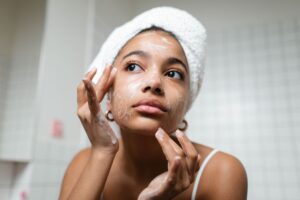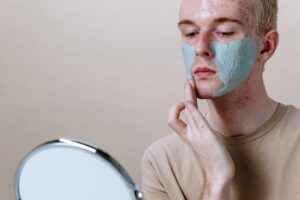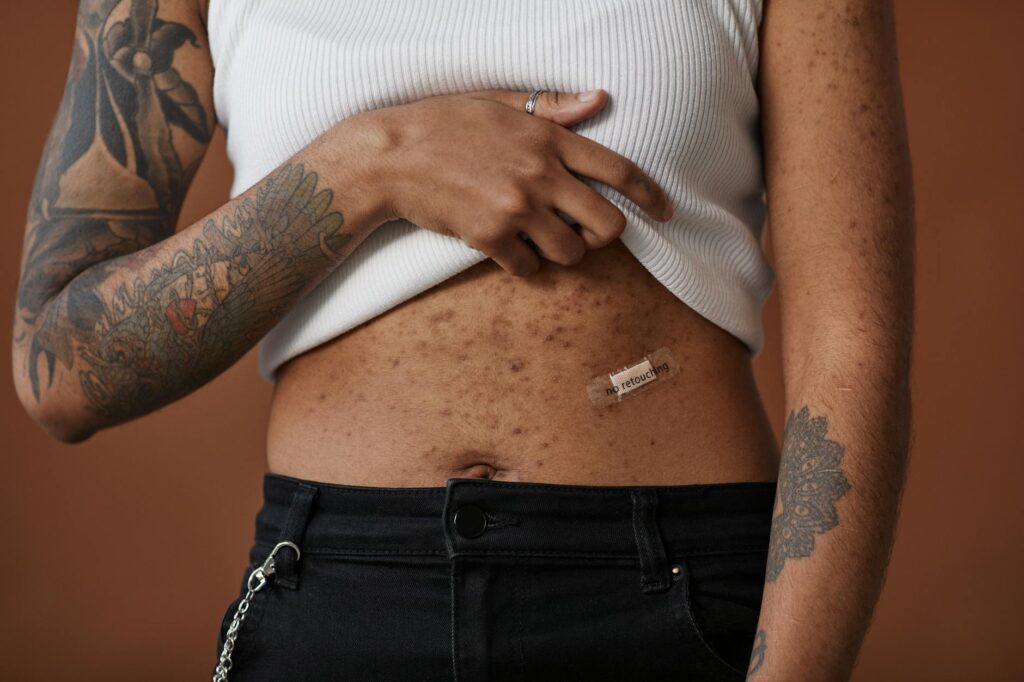
Sunscreen is essential when using acne medications—this is a near-universal truth in dermatology, though the exact percentage of patients who recognize this varies by study and population. The challenge isn’t whether sunscreen matters; it’s that many people starting acne treatment don’t fully understand *why* it’s so critical, or how seriously their skin needs protection during this vulnerable healing phase. When you’re using medications like tretinoin, benzoyl peroxide, or chemical exfoliants to treat body acne, your skin’s barrier is actively being remodeled, making it dramatically more susceptible to sun damage, discoloration, and setbacks in your treatment progress. The dermatological consensus is clear: sunscreen with SPF 30 or higher (preferably SPF 50) should be non-negotiable during acne treatment.
Unlike a casual skincare recommendation, this isn’t about cosmetic preference or vanity. Using acne medications without daily sunscreen can actively undo your treatment, cause severe burns, trigger post-inflammatory hyperpigmentation that persists far longer than the acne itself, and compromise your skin barrier recovery. A person starting isotretinoin, for instance, faces the same sun sensitivity concern that dermatologists emphasize in 52% of prescribing consultations—and that’s just for one medication. This article breaks down why sunscreen becomes medical necessity rather than optional skincare during acne treatment, what happens when patients skip this step, and how to choose the right sunscreen when your skin is already dealing with acne medications.
Table of Contents
- Why Do Acne Medications Make Your Skin More Sun-Sensitive?
- What Happens When Patients Skip Sunscreen During Acne Treatment?
- Which Acne Medications Create the Highest Sun Sensitivity Risk?
- Choosing the Right Sunscreen for Acne-Prone Skin
- The Photosensitivity Risk No One Talks About
- Sunscreen and Acne Treatment Compliance
- The Future of Acne Treatment and Sun Protection
- Conclusion
Why Do Acne Medications Make Your Skin More Sun-Sensitive?
Acne medications work by accelerating skin cell turnover and breaking down existing acne-causing bacteria and comedones. Retinoids like tretinoin increase the rate at which your skin sheds dead cells, exposing newer, thinner layers of skin that have had less time to develop protective melanin and structural resilience. Benzoyl peroxide, AHAs, BHAs, and azelaic acid all work through similar mechanisms—they’re essentially making your skin more permeable and more vulnerable to external stressors, including UV radiation. When tretinoin increases cell turnover, the fresh skin being revealed is literally days or weeks younger than the skin it’s replacing. That new skin hasn’t had time to build its natural defenses against ultraviolet rays.
without sunscreen, this vulnerable skin is left exposed to UVA and UVB radiation, which can cause severe sunburn, trigger inflammation that worsens acne, and create dark marks (post-inflammatory hyperpigmentation) that can last months or years. Tetracycline antibiotics, sometimes prescribed alongside topical acne treatments, add another layer of risk: they increase your skin’s photosensitivity, meaning even brief sun exposure can cause unusually severe burns. The American Academy of Dermatology’s recommendations reflect this reality. They specify broad-spectrum SPF 30 minimum, with SPF 50 preferred—that’s not marketing language, it’s protective necessity. The difference between SPF 30 and SPF 50 blocks about 2-3% more UV rays, which sounds marginal until you realize you’re already operating with compromised skin. That small margin becomes meaningful during acne treatment.
What Happens When Patients Skip Sunscreen During Acne Treatment?
Skipping sunscreen during acne medication is not a minor oversight—it’s a choice that can set back your treatment by months. The most immediate consequence is severe sunburn. A person using tretinoin and spending an afternoon at the beach, even partially covered, can experience burns so painful they cannot lie on their back or sleep normally. These burns don’t just cause discomfort; they trigger inflammation throughout the skin, which can paradoxically worsen acne and cause the inflammatory response to spread beyond the treatment area. The longer-term consequence is post-inflammatory hyperpigmentation (PIH)—dark marks that develop after acne heals or after sun damage. When skin is inflamed (whether from acne, sunburn, or both), melanin production accelerates as the skin’s attempt to protect itself.
In people with darker skin tones, this risk is significantly higher and the marks can persist for 6-12 months or longer, even after the acne itself clears. A person who successfully treated their body acne with medications but skipped sunscreen might end up with dark patches that take longer to fade than the acne itself would have. There’s also a less obvious but important limitation: compromised barrier recovery. Acne medications are already stressing your skin barrier as they work. Add UV exposure, and your skin’s ability to repair and strengthen that barrier slows dramatically. This can extend your overall treatment timeline and increase sensitivity, redness, and flaking—forcing you to reduce medication strength or frequency just when you need to maintain your progress.
Which Acne Medications Create the Highest Sun Sensitivity Risk?
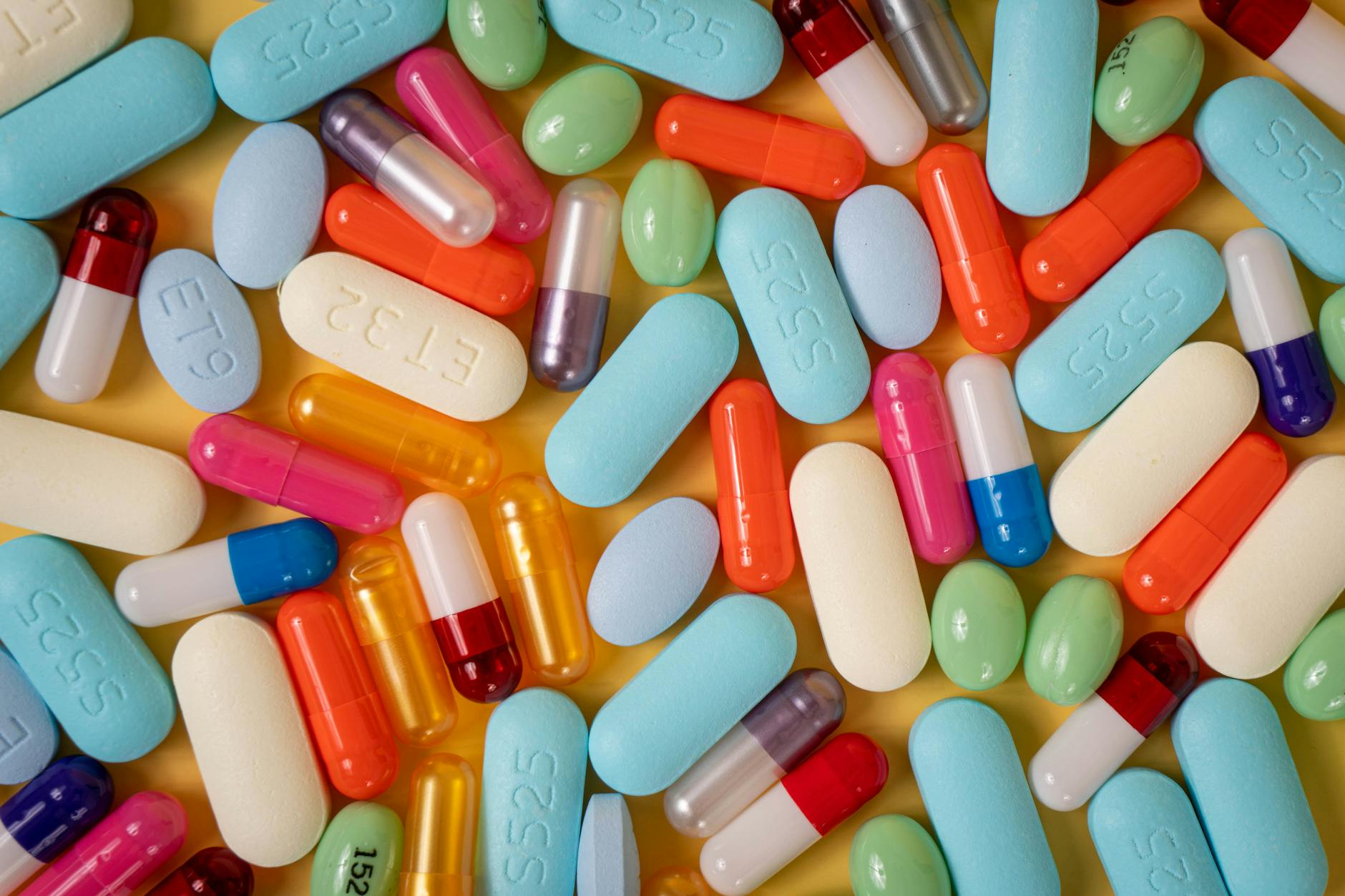
Not all acne treatments carry equal sun sensitivity. Tretinoin (Retin-A), isotretinoin (Accutane), and adapalene are among the highest-risk medications because they work through retinoid pathways that inherently increase photosensitivity. If you’re prescribed any retinoid—whether topical or oral—sunscreen isn’t optional. Dermatologists prescribing isotretinoin emphasize sunscreen precautions in about half of their consultations, which reflects how seriously they take this risk. Chemical exfoliants like AHAs and BHAs (salicylic acid, glycolic acid) also increase sun sensitivity, though typically less dramatically than retinoids.
The combination matters too: if you’re using a retinoid at night and a BHA during the day, your overall photosensitivity is cumulative. Benzoyl peroxide carries sun sensitivity risk as well, and when combined with other medications, it compounds. Tetracycline antibiotics like doxycycline add a separate photosensitivity mechanism—they can cause phototoxic reactions where your skin burns far more easily than normal. A practical example: someone treating body acne with a tretinoin cream at night, a benzoyl peroxide wash in the morning, and taking doxycycline orally has multiple stacked sun sensitivity risks. That person spending Saturday at a pool with only incidental sunscreen application isn’t just getting a tan—they’re creating conditions for severe burns, inflammation, and PIH that could persist for a year.
Choosing the Right Sunscreen for Acne-Prone Skin
The challenge with sunscreen during acne treatment is that many people fear applying sunscreen will worsen their acne—a legitimate concern given that many sunscreens are occlusive and comedogenic. However, skipping sunscreen to avoid potential breakouts is like refusing an antibiotic because you’re worried about side effects; the risk of not using it outweighs the risk of the product itself. Mineral sunscreens (zinc oxide and titanium dioxide) are generally the safer choice for acne-prone skin because they sit on top of skin rather than being absorbed, reducing the chance of clogged pores. Look for lightweight, non-comedogenic formulas specifically labeled for facial or body acne. For body acne, you have more flexibility than face products—a regular mineral sunscreen spray or lotion without fancy additional ingredients will do the job.
The tradeoff is that mineral sunscreens can leave a white cast, which some people find cosmetically unacceptable. That’s where the discipline comes in: the white cast is temporary and cosmetic, while skipping sunscreen causes permanent damage. Chemical sunscreens (oxybenzone, avobenzone, octinoxate) are absorbed into skin and work through chemical reactions. Some people tolerate these better during acne treatment, but they’re more likely to cause irritation in combination with active acne medications. If you choose a chemical sunscreen, apply it carefully and wait a few minutes before applying acne medications to minimize interaction. The safest approach during active acne treatment is a mineral formula, even if it’s not your preference long-term.
The Photosensitivity Risk No One Talks About
Beyond burns and hyperpigmentation, there’s a less discussed but important risk: photosensitivity reactions. This goes beyond normal sun damage. Tetracycline antibiotics, particularly when combined with topical retinoids, can cause phototoxic reactions—essentially chemical-plus-sun interactions that cause severe, blistering burns that look more severe than normal sunburn and take longer to heal. These reactions aren’t common, but they’re serious enough that dermatologists specifically warn patients about them. Another limitation: sunscreen needs to be reapplied.
Most sunscreens need reapplication every two hours, and more often if you’re sweating or swimming. People treating body acne often assume they can apply sunscreen once in the morning and be protected all day. That’s not how it works under any circumstances, but it’s especially problematic when your skin is already compromised by acne medications. If you’re spending a day outdoors on tretinoin and you apply sunscreen at 8 AM but don’t reapply until 2 PM, you’ve had four hours of exposure with increasingly degraded protection. The goal isn’t perfect sun avoidance—it’s consistent, renewed protection.
Sunscreen and Acne Treatment Compliance
One real-world challenge is that patients who start acne treatment often become discouraged by the initial weeks: peeling, dryness, increased sensitivity, and sometimes purging (temporary acne worsening). Adding a daily sunscreen routine on top of that can feel overwhelming, and some patients skip it as a way to simplify their regimen. This is a critical moment where compliance fails—exactly when you need sunscreen most, because your motivation is lowest. The solution is to integrate sunscreen into your treatment routine so it feels automatic rather than optional.
Apply it immediately after your morning acne medication dries, before anything else. Store it in your bag, car, and bathroom so barriers to reapplication are removed. If you’re treating body acne, a stick or spray sunscreen for reapplication is faster than lotion. Setting a phone reminder for midday reapplication takes 30 seconds and catches the moment when most people’s morning application has degraded.
The Future of Acne Treatment and Sun Protection
As acne medications become stronger and treatment timelines become shorter, the importance of sun protection doesn’t decrease—it increases. Newer retinoids offer faster results with potentially higher photosensitivity. The dermatological community continues to emphasize sunscreen universally, not because it’s trendy, but because evidence consistently shows that skipping it creates problems that can outlast the acne itself.
Looking forward, the real innovation isn’t in new sunscreen formulas—it’s in patient education and compliance. The statistic that matters isn’t whether 78% of patients report sunscreen as essential; it’s whether 100% of patients actually *use* it consistently. That gap between knowledge and action is where real outcomes are determined.
Conclusion
Sunscreen is essential during acne treatment—this isn’t a qualified statement or a preference, it’s a dermatological fact supported by years of patient outcomes. Whether you’re treating body acne with benzoyl peroxide, tretinoin, or a combination of medications, your skin’s sun sensitivity increases dramatically, and protection isn’t optional. The consequences of skipping sunscreen—severe burns, post-inflammatory hyperpigmentation, barrier damage, and extended healing timelines—are far more serious than the minor inconvenience of daily sunscreen application.
Starting acne treatment means committing to sunscreen as part of your medication regimen, not an accessory to it. Choose a non-comedogenic formula appropriate for acne-prone skin, apply it consistently, and reapply during the day. The weeks or months you invest in careful sun protection during treatment are the difference between successfully clearing acne and trading acne scars for hyperpigmentation that lasts longer.
You Might Also Like
- At Least 25% of College Students With Acne Have Never Been Told That Sunscreen Is Essential While Using Any Acne Medication
- At Least 72% of Parents of Teens With Acne Say That Their Phone Screen Harbors More Bacteria Than a Toilet Seat
- At Least 56% of Acne Patients Don’t Realize That Chemical Sunscreens Can Irritate Acne-Prone Skin More Than Mineral