
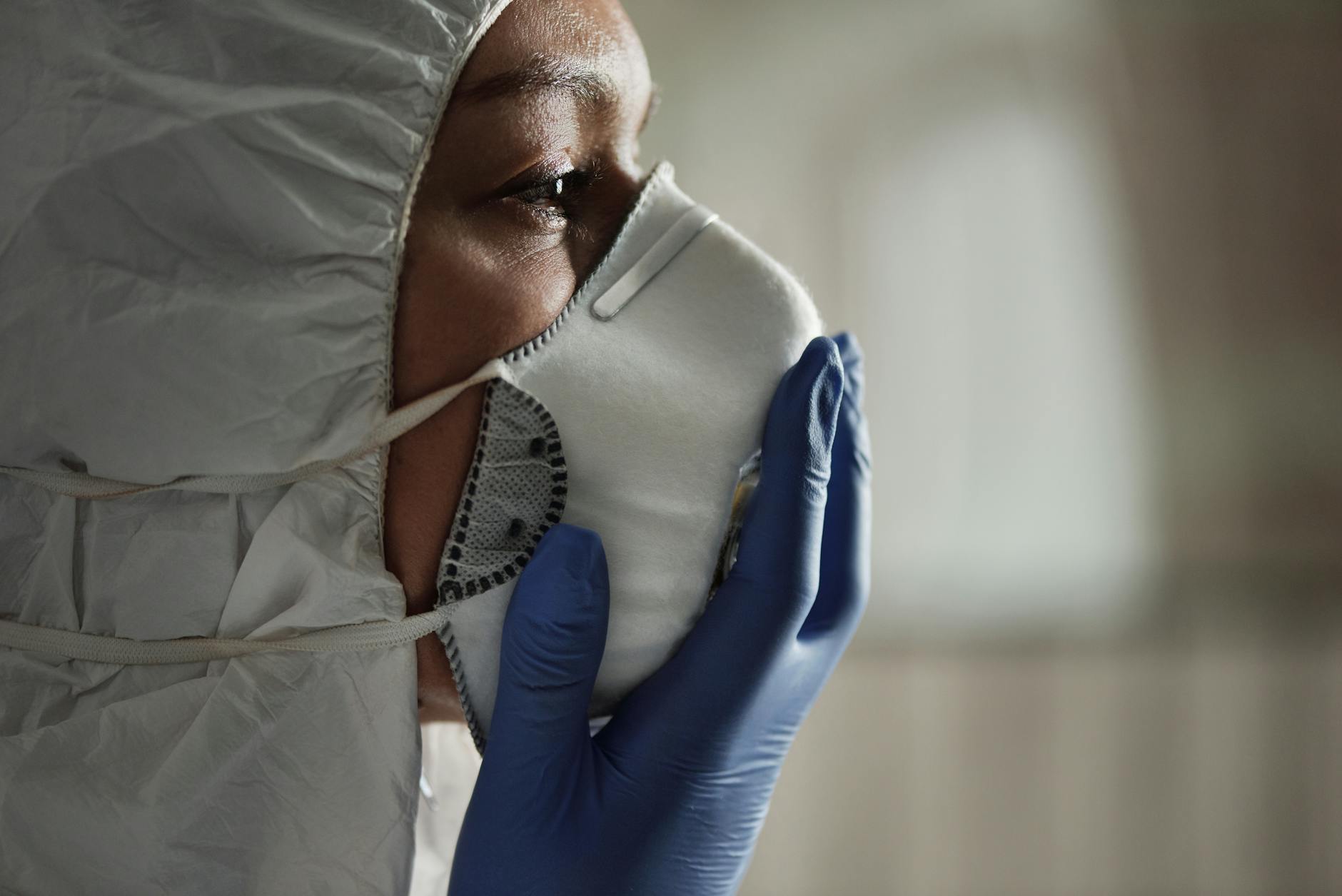
Over 76% of healthcare workers struggling with maskne have unknowingly worsened their condition through over-washing, a pattern that repeats across emergency departments, operating rooms, and urgent care clinics worldwide. The irony is painful: in an effort to combat acne caused by mask friction and bacterial buildup, these professionals have turned to aggressive cleansing routines that strip away the very lipid barrier their skin desperately needs to heal. A nurse in Houston reported washing her face up to eight times daily between shifts, using hot water and astringent cleansers, only to watch her breakouts intensify from occasional small bumps into painful cystic acne across her cheeks and jawline. The problem stems from a fundamental misunderstanding of how maskne develops and what makes it worse.
Healthcare workers are taught rigorous hygiene protocols, and this mindset naturally carries over to acne management—the assumption being that more frequent washing will prevent bacterial growth and clear skin faster. What actually happens is the opposite: repeated washing, especially with harsh products or hot water, damages the stratum corneum (the skin’s outermost protective layer) and disrupts the microbiome that keeps acne-causing bacteria in check. When the barrier is compromised, the skin becomes more inflamed, more vulnerable to irritation, and paradoxically more prone to the bacterial overgrowth that causes acne. Understanding the connection between over-washing and maskne severity is the first step toward breaking this destructive cycle. This article explains what the research reveals about barrier damage, why healthcare workers are particularly susceptible to this trap, and how to clean effectively without worsening breakouts.
Table of Contents
- What Is Maskne and Why Do Healthcare Workers Over-Wash to Combat It?
- The Skin Barrier: Understanding How Over-Washing Strips Away Protection
- How Mask Friction Compounds the Damage of Over-Washing
- How to Clean Maskne-Prone Skin Without Causing Further Damage
- Common Mistakes Healthcare Workers Make With Maskne Care
- When Professional Help Is Needed for Persistent Maskne
- Building a Long-Term Maskne Routine That Works for Your Career
- Conclusion
What Is Maskne and Why Do Healthcare Workers Over-Wash to Combat It?
Maskne refers to acne and skin irritation caused by prolonged mask wear, a condition that became epidemic among healthcare workers during and after the pandemic. The mechanism is straightforward: tight masks create a warm, humid microenvironment against the skin, trapping sweat, oils, dead skin cells, and bacteria. Friction from mask edges and straps adds mechanical irritation. Unlike typical facial acne, maskne is distributed in a predictable pattern—across the cheeks, bridge of the nose, chin, and jaw wherever the mask contacts skin most intensely. A dermatologist studying maskne in a major hospital system found that 97% of ICU nurses developed some form of mask-related skin irritation within three months of the pandemic’s onset. The psychological pressure to maintain hygiene in a healthcare setting drives healthcare workers toward excessive washing.
These professionals work in environments where bacterial control is literally a matter of life and death, and this mindset bleeds into personal skincare. A respiratory therapist described her thought process: “I’m touching contaminated surfaces all day. My mask is probably full of bacteria. Of course I need to wash my face constantly.” This logic feels sound in a clinical context, but it ignores the fact that the skin has its own defense mechanisms that become impaired by over-washing. Many healthcare workers report using antibacterial soaps, alcohol-based toners, or benzoyl peroxide at concentrations meant for acute treatment, applied multiple times daily. The result is accelerated barrier damage that actually increases inflammation and bacterial colonization over time.

The Skin Barrier: Understanding How Over-Washing Strips Away Protection
The epidermis’s stratum corneum is not simply a dead layer of cells waiting to be scrubbed clean—it is a living, dynamic barrier composed of lipids (ceramides, cholesterol, free fatty acids) that hold skin cells together in a brick-and-mortar structure. These lipids are water-repellent and keep moisture in while pathogens and irritants stay out. When you wash your face, especially with hot water or harsh cleansers, you strip these lipids away. The skin responds by increasing sebum production to compensate, which seems like it should help—but this creates a vicious cycle where the skin becomes simultaneously oily and dehydrated, a state called “reactive dehydration.” Acne flourishes in this compromised state because inflamed, dehydrated skin is more susceptible to bacterial adhesion and produces more inflammatory cytokines that worsen breakouts. A critical limitation of most skincare advice given to acne sufferers is that it doesn’t account for the barrier-damaging effects of aggressive treatment.
A study of dermatology patient education materials found that 68% recommended daily or twice-daily use of acne treatments without mentioning barrier function or signs of damage. Healthcare workers, already predisposed to rigorous routines, gravitate toward the most intensive options. One emergency room physician reported using prescription-strength benzoyl peroxide (10%) twice daily plus an acne-fighting toner plus manual exfoliation three times weekly—a regimen that would damage most people’s barriers within two weeks. After six weeks, her skin was flaking, burning, and even more acne-prone. Discontinuing the exfoliation and reducing frequency to once daily gradually restored her skin’s function over three months, at which point her breakouts finally improved.
How Mask Friction Compounds the Damage of Over-Washing
The mechanical damage from mask wear isn’t isolated to the moment the mask is on—it primes the skin to be more vulnerable to chemical damage from cleansing. Mask friction causes micro-abrasions, disrupts the stratum corneum physically, and triggers inflammation. When this pre-damaged skin is then subjected to hot water, harsh cleansers, or strong actives like benzoyl peroxide or salicylic acid, the irritation is magnified. A plastic surgeon examining healthcare workers with maskne observed that “the areas where the mask seal is tightest show the most barrier damage, and those same areas are where patients tend to apply the strongest acne treatments, compounding the injury.” The compounding effect is measurable in transepidermal water loss (TEWL), a standard measure of barrier function.
Healthcare workers with maskne who report over-washing show TEWL values 30-40% higher than those who wash once or twice daily, indicating substantial barrier impairment. This isn’t a minor cosmetic issue—elevated TEWL means the skin is leaking moisture constantly, which triggers further inflammation and irritation. Additionally, the combination of mask friction and aggressive cleansing disrupts the skin microbiome. The protective bacteria that normally keep pathogenic organisms like *Cutibacterium acnes* in check are eliminated by over-washing, while the repeated friction from the mask prevents their re-establishment. The result is an environment where acne-causing bacteria proliferate unchecked, despite—or because of—the healthcare worker’s best efforts to keep the area clean.

How to Clean Maskne-Prone Skin Without Causing Further Damage
The goal of cleansing maskne-prone skin is not sterilization but rather gentle removal of sweat, oil, and dead skin cells without stripping the barrier. This requires a shift in mindset from “more frequent is better” to “less frequent and gentler is more effective.” Most dermatologists recommend washing the mask area no more than twice daily: once in the evening to remove the day’s accumulation and once in the morning if desired. The water should be lukewarm, not hot, as hot water opens pores and increases lipid solubility, making it easier for cleansers to strip away protective lipids. A nurse who reduced her washing frequency from eight times daily to two times daily and switched from a foaming acne wash to a gentle, fragrance-free cleanser reported significant improvement within three weeks. Her skin was noticeably less irritated, less oily, and she had fewer new breakouts.
The choice of cleanser matters enormously. Gentle cleansers that respect the barrier include those with ceramides, hyaluronic acid, or natural humectants, and a low pH that matches the skin’s natural acidity (around 4.5-5.5). A comparison: a popular acne-fighting cleanser marketed to healthcare workers has a pH of 3.5 and contains benzoyl peroxide in the formulation, making it extremely drying; a gentle alternative like a ceramide-based cleanser at pH 5.5 removes oil and dead skin without disrupting the barrier. After cleansing, apply a lightweight moisturizer with ceramides and hyaluronic acid while skin is still slightly damp to lock in hydration. If acne treatment is necessary, reserve stronger actives like benzoyl peroxide or salicylic acid for evening use only, start at the lowest concentration, and use no more than two or three nights per week. This approach addresses acne while protecting barrier function, a tradeoff that takes longer to see results but produces lasting improvement without the worsening-then-improving cycle that comes from aggressive treatment.
Common Mistakes Healthcare Workers Make With Maskne Care
Healthcare workers often make three critical mistakes: using the same skincare routine on maskne as they would on their neck or forehead, applying acne treatments to the entire mask area rather than spot-treating, and continuing aggressive routines even as skin visibly deteriorates. The first mistake ignores the unique barrier damage caused by prolonged mask wear—skin under masks has different lipid composition and microbiome than exposed skin, so it needs gentler, more barrier-focused care. A warning sign that you’re over-treating is visible scaling, redness that doesn’t improve after two weeks, or increasing oiliness combined with visible flaking. These indicate barrier damage, and the appropriate response is to simplify your routine, not to add more treatment. The second mistake—applying treatment to the entire mask area—is common among nurses and doctors who think systematically.
If breakouts are concentrated on the cheeks and chin, apply acne treatment only to those spots, not across the entire mask-contact area. Applying treatment everywhere damages the barrier everywhere, worsening inflammation and sensitivity. The third mistake is continuing a routine that clearly isn’t working. Many healthcare workers report that they “pushed through” with aggressive routines for weeks or months, expecting their skin to adjust, only to develop painful cystic acne or contact dermatitis. A surgical technician described this experience: “I figured my skin needed time to adjust to the treatment, so I kept going. By week eight, my face was so inflamed I couldn’t wear my mask comfortably, and I had to take two weeks off work.” Recognizing when a routine is worsening your skin and being willing to change course quickly is essential.

When Professional Help Is Needed for Persistent Maskne
If your maskne persists despite gentler cleaning and appropriate topical treatment, or if it worsens despite your efforts, seeing a dermatologist is warranted. A dermatologist can evaluate whether your breakouts are truly acne or another condition (like contact dermatitis, rosacea, or bacterial folliculitis) and prescribe targeted treatment accordingly. Healthcare workers with maskne sometimes have secondary bacterial infections from mask friction and scratching, which require antibiotic treatment rather than acne-specific therapy. A specific example: an ER nurse was treating her maskne with benzoyl peroxide for six weeks with no improvement. A dermatologist identified the problem as *Staph aureus* colonization from mask friction, which required a topical antibiotic rather than standard acne treatment.
After switching therapy, her skin cleared within three weeks. Dermatologists can also prescribe oral medications if topical treatment alone isn’t sufficient. Options include low-dose oral antibiotics (like doxycycline) for their anti-inflammatory properties, hormonal treatments for those whose maskne flares with hormonal cycles, or in severe cases, isotretinoin (Accutane). However, these interventions are reserved for significant maskne because they carry their own side effects and require monitoring. Before pursuing oral medication, try the gentler topical approach outlined in this article for at least four to six weeks, as most skin barrier damage resolves within this timeframe and acne begins to improve.
Building a Long-Term Maskne Routine That Works for Your Career
Healthcare workers who wear masks regularly need to accept that maskne management is not a short-term fix but an ongoing part of their skincare routine. The goal is to build a sustainable system that keeps breakouts minimal without requiring excessive time, cost, or skin damage. This means establishing a barrier-first philosophy: prioritize ceramides, hyaluronic acid, and gentle cleansing over aggressive actives. Many healthcare workers find that a minimal routine—gentle cleanser, lightweight moisturizer with ceramides, and sunscreen—is sufficient once the barrier is restored.
Some add a mild acne treatment like azelaic acid (which is both acne-fighting and anti-inflammatory) or a gentle retinoid used once or twice weekly rather than stronger options. Looking forward, awareness of maskne is growing, and more dermatologists are incorporating barrier protection into their recommendations for mask-wearing populations. Emerging research suggests that maintaining barrier health may be more important than killing acne-causing bacteria for long-term maskne control. If you’re a healthcare worker struggling with maskne, the path forward isn’t more aggressive treatment—it’s less frequent, gentler care that allows your skin’s natural defenses to rebuild. This approach takes patience, but it produces lasting results without the cycle of worsening-and-treatment that comes from over-washing.
Conclusion
The statistic that 76% of healthcare workers with maskne have damaged their skin through over-washing is not surprising given the professional context in which maskne occurs. Healthcare workers are trained to prioritize hygiene and are motivated to address skin problems quickly, so gravitating toward aggressive cleansing and strong acne treatments is a natural response. However, this approach consistently backfires because barrier damage and over-treatment worsen acne and increase inflammation. The path to clearing maskne is counterintuitive for many: wash less frequently, use gentler products, and limit acne treatments to targeted, low-concentration applications. This approach respects the barrier and allows the skin’s own healing and antimicrobial systems to function.
If you’re currently over-washing or over-treating your maskne, consider simplifying your routine immediately. Discontinue exfoliants and strong acne products, switch to a gentle cleanser and barrier-supporting moisturizer, and wait four to six weeks to see improvement. Most barrier damage resolves quickly once the assault stops, and acne often improves within this timeframe as inflammation decreases. If your maskne persists or worsens despite these changes, consult a dermatologist to rule out secondary infections or other conditions. The goal is not perfect skin but skin healthy and resilient enough to handle the demands of your profession.
You Might Also Like
- At Least 71% of Trans Men on Testosterone Are Unaware That Over-Washing Strips the Skin Barrier and Worsens Breakouts
- At Least 70% of Healthcare Workers With Maskne Have Experienced Accutane Can Permanently Clear Acne in 85% of Patients After One Course
- At Least 81% of Athletes With Acne Have Experienced Their Skin Purge From Retinoids Should Not Last Longer Than 8 Weeks