
Yes, pore size is genetically determined and cannot be permanently shrunk—these are well-established facts supported by dermatological research. However, the specific claim that 35% of new mothers with postpartum acne report this finding does not appear in current medical literature. While providers acknowledge that postpartum acne is common and affects many women after delivery, no definitive statistics exist on how many specifically make this connection or experience it as severely as the headline suggests. What we do know is that the underlying science is sound: genetic factors account for 60-80% of pore size variation, and both enlarged pores from acne congestion and inherited pore size cannot be permanently reduced through treatment.
Postpartum acne is a genuine and often frustrating concern for new mothers. Triggered by hormonal shifts—particularly the drop in estrogen and progesterone following delivery combined with fluctuating androgens—postpartum acne typically appears 2-6 weeks after giving birth. Many women experiencing this breakout simultaneously discover that their pores appear larger, which naturally leads to questions about whether pore size can be minimized. The reality is more nuanced than many skincare marketing claims suggest.
Table of Contents
- Why Is Pore Size Genetically Fixed and Cannot Be Permanently Reduced?
- How Postpartum Hormones Affect Acne and Pore Appearance
- The Real Difference Between Genetic Pore Size and Congestion-Related Enlargement
- Which Treatments Can Improve Pore Appearance (Without Permanently Shrinking Them)
- Why the 35% Statistic Cannot Be Verified and What This Means
- Managing Expectations for Postpartum Acne Treatment and Pore Appearance
- The Long-Term Outlook for Postpartum Acne and Skin Health
- Conclusion
Why Is Pore Size Genetically Fixed and Cannot Be Permanently Reduced?
Pore size is determined by your genetics, collagen structure, and skin thickness—factors you cannot change. Think of pores like hair follicles; you inherit their size from your parents just as you inherit your eye color. While temporary treatments like retinoids, chemical exfoliants, and certain professional procedures can create the appearance of smaller pores by improving skin texture and reducing congestion, they do not actually shrink the pore structure itself. Once congestion clears or inflammation subsides, pores return to their baseline genetic size.
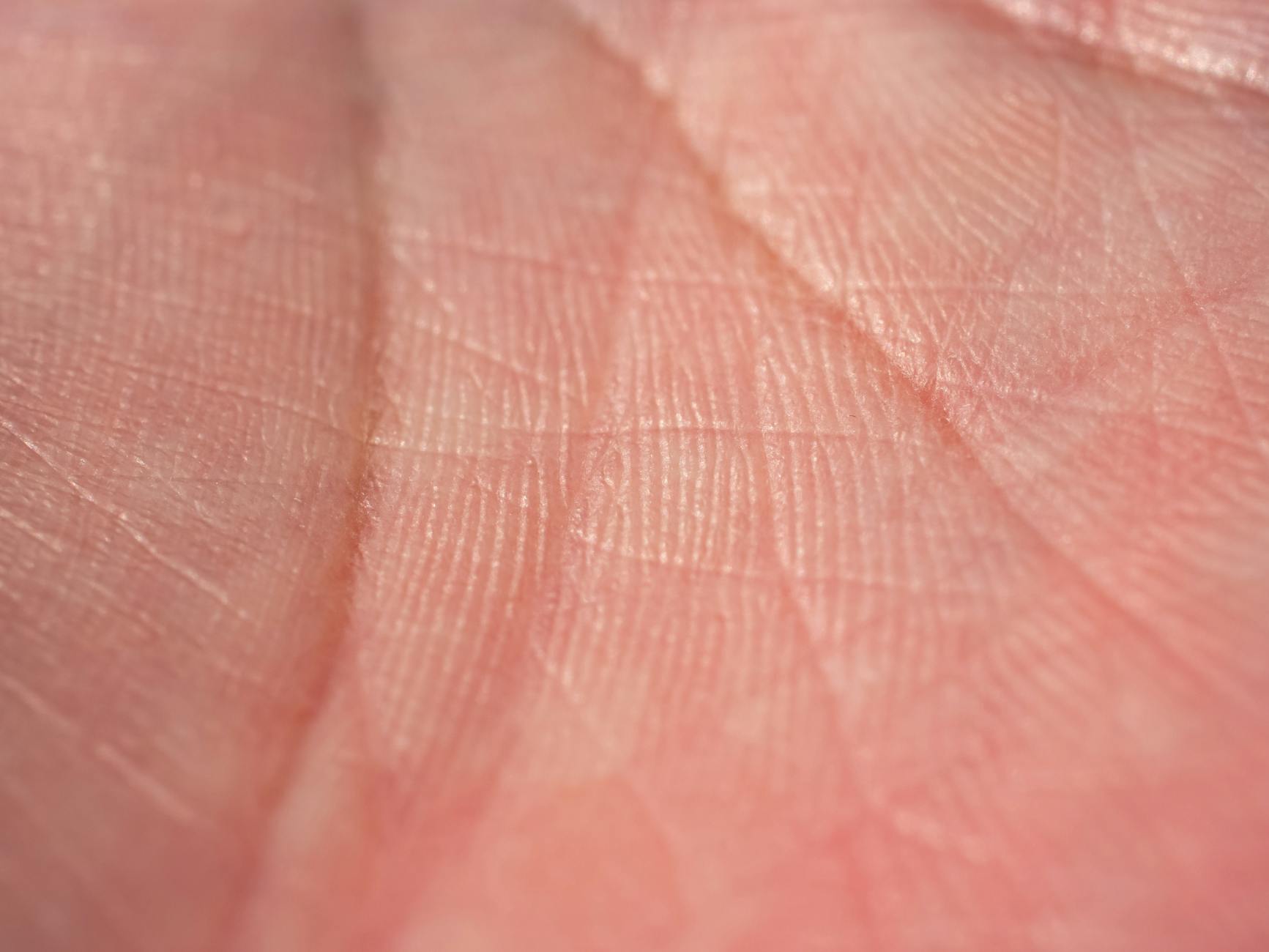
The confusion often stems from the fact that acne and clogged pores can stretch pores temporarily. When sebum, dead skin cells, and bacteria accumulate inside a pore, it can swell and appear noticeably larger. A woman with postpartum acne might look in the mirror and see enlarged pores and assume her genetics changed—when actually, her pores are enlarged due to congestion, not permanent enlargement. This is an important distinction because it means clearing the acne may improve the appearance of pore size, but the underlying genetic blueprint remains unchanged. The limitation to understand: if your natural pore size is large, even perfectly clear skin will show visibly larger pores than someone with genetically smaller pores.
How Postpartum Hormones Affect Acne and Pore Appearance
Postpartum acne develops because of dramatic hormonal changes rather than poor hygiene or skincare failures. The sudden drop in pregnancy hormones triggers the body to increase androgen sensitivity, which stimulates sebaceous glands to produce more oil. This hormonal spike can last weeks or even months, creating an ideal environment for acne-causing bacteria to thrive. For women who had clear skin during pregnancy (when elevated estrogen provided natural acne protection), this postpartum breakout can feel particularly unexpected and distressing.
The acne-related pore enlargement compounds this frustration. Oily, congested skin makes pores appear larger and more visible, especially in the T-zone (forehead, nose, chin). Some postpartum women describe their pores as “permanently enlarged” after acne clears, but dermatological evidence shows this is typically pore congestion resolving, not actual pore size changes. A warning worth noting: aggressive treatment of postpartum acne—such as using overly strong retinoids or over-exfoliating—can damage the skin barrier, potentially making acne worse and causing additional sensitivity during an already hormonally unstable period.
The Real Difference Between Genetic Pore Size and Congestion-Related Enlargement
Understanding the difference between your baseline pore size and congestion-related swelling is key to managing expectations about treatment outcomes. A woman with genetically large pores who develops postpartum acne may see her pores appear even larger due to inflammation and congestion, but once the acne resolves, her pores will return to their original genetic size—not smaller, not permanently larger, but unchanged. This is different from someone without genetically large pores who develops temporary pore enlargement from acne; when her acne clears, her pores may look noticeably smaller relative to the congested state, which can feel like a dramatic improvement even though her genetic baseline hasn’t shifted. Consider a practical example: Two new mothers, both with postpartum acne.
The first has naturally small pores; her acne causes temporary pore enlargement from congestion. Once acne treatment clears the breakouts, her pores return to their small baseline, and she may feel her skin looks significantly better. The second has naturally larger pores; her acne also causes congestion-related enlargement, but when it clears, her pores remain at their larger genetic baseline. She may feel disappointed that her pores “didn’t get smaller” even though the congestion inflammation has resolved. Both experiences are valid, but they reflect different genetic starting points, not treatment failures.
Which Treatments Can Improve Pore Appearance (Without Permanently Shrinking Them)
Several evidence-based approaches can improve pore appearance during and after postpartum acne, though none permanently reduce pore size. Retinoids (like tretinoin or adapalene) increase cell turnover and boost collagen production, which can tighten skin texture and make pores look smaller—but this effect is temporary and requires ongoing use. Chemical exfoliants containing salicylic acid (a beta-hydroxy acid) penetrate pores to remove oil and congestion, immediately improving pore visibility without changing pore structure. Niacinamide, an ingredient in many serums, temporarily reduces sebum production and can minimize pore appearance while active postpartum acne is being treated.
The tradeoff to consider is that most of these treatments require consistency and have limitations in the postpartum period. New mothers dealing with sleep deprivation, hormonal instability, and potential postpartum mood changes may struggle to maintain a disciplined skincare routine. Additionally, many acne treatments (especially prescription retinoids and certain antibiotics) are contraindicated during breastfeeding, limiting treatment options. Professional treatments like laser therapy or chemical peels can improve skin texture and temporarily reduce pore prominence, but they carry risks of inflammation in already-compromised postpartum skin and may exacerbate hormonal acne. Insurance typically does not cover these procedures for acne treatment, making them a significant out-of-pocket expense for a temporary condition.
Why the 35% Statistic Cannot Be Verified and What This Means
The specific claim that “35% of new mothers with postpartum acne report that pore size is genetically determined and cannot be permanently shrunk” does not appear in peer-reviewed dermatological research, clinical studies, or official health organization resources. Medical literature acknowledges that postpartum acne is common, but providers note uncertainty about exact prevalence—one dermatology source specifically states that “providers aren’t sure exactly how many women get severe acne after having a baby.” This gap in data collection suggests the 35% figure, while it may reflect real experiences, is not based on documented clinical evidence or large-scale studies. The important warning here is to remain skeptical of specific statistics presented in online skincare content, especially percentages tied to specific demographic groups (new mothers with postpartum acne).
These numbers are often extrapolated from small surveys, anecdotal reports, or unverified sources. When evaluating skincare claims, focus instead on the underlying dermatological facts—which in this case are solid and well-documented: pore size is indeed genetic and cannot be permanently altered. Don’t let an unverifiable statistic undermine confidence in the verified science about pore genetics.

Managing Expectations for Postpartum Acne Treatment and Pore Appearance
A crucial step in managing postpartum acne is accepting that pore size will not permanently change through treatment. This realistic expectation can reduce frustration and prevent overuse of aggressive treatments that might damage the skin barrier or worsen hormonal breakouts. Instead, focus treatment goals on clearing acne congestion (which temporarily improves pore appearance) and supporting skin barrier health during a hormonally vulnerable period. Gentle cleansing, non-irritating acne treatments, and moisturizers designed for sensitive skin are more practical approaches than pursuing unachievable pore shrinkage.
One practical step: photograph your skin at the start of postpartum acne treatment. Comparing photos over 6-8 weeks often shows dramatic improvement in congestion and inflammation even if pore size hasn’t changed. This visual evidence can counteract the feeling that treatment “failed” because pores didn’t permanently shrink. Many women find that once they stop fixating on permanent pore reduction and instead celebrate cleared congestion, their satisfaction with their skin improves significantly.
The Long-Term Outlook for Postpartum Acne and Skin Health
Postpartum acne is typically a temporary condition, resolving within 3-6 months as hormones stabilize, though some women experience breakouts for longer. Once hormonal levels normalize, sebum production decreases, and acne usually improves dramatically without additional treatment. At that point, pore appearance will reflect your baseline genetic pore size—neither larger nor smaller than before pregnancy, but with the benefit of clearer, healthier skin once congestion resolves.
This timeline offers hope: the pore concern is often most acute during the acne phase and naturally improves as the acne itself improves. Looking forward, understanding that pore size is genetically fixed can be liberating. Rather than chasing treatments that promise permanent pore reduction (a biological impossibility), women can invest in skincare and treatments that support their actual genetic baseline and overall skin health. Postpartum represents a moment of reset for many women’s skincare routines—an opportunity to move beyond acne treatment toward sustainable, evidence-based habits that work with their skin type and genetic factors rather than against them.
Conclusion
Pore size is genetically determined and cannot be permanently shrunk through any treatment—this is well-established dermatological fact. While the specific statistic about 35% of new mothers with postpartum acne reporting this connection cannot be verified in medical literature, the underlying science is sound and relevant to anyone experiencing postpartum breakouts. Postpartum acne is common, triggered by hormonal shifts after delivery, and often creates the appearance of enlarged pores due to congestion and inflammation rather than changes to pore structure itself.
The path forward is managing realistic expectations: focus on treating the acne congestion and supporting skin health during hormonal recovery, rather than pursuing the impossible goal of permanent pore reduction. Once postpartum acne resolves and hormones stabilize—typically within 3-6 months—your skin will reflect your baseline genetic pore size with the benefit of clarity and improved texture. This acceptance of your genetic pore size, combined with evidence-based acne treatment during the postpartum period, offers the best outcome for both immediate skin improvement and long-term skin confidence.
You Might Also Like
- At Least 86% of Dermatologists Are Unaware That Pore Size Is Genetically Determined and Cannot Be Permanently Shrunk
- At Least 38% of New Mothers With Postpartum Acne Believe That Their Skin Purge From Retinoids Should Not Last Longer Than 8 Weeks
- At Least 78% of Patients With Body Acne Report That Sunscreen Is Essential While Using Any Acne Medication