
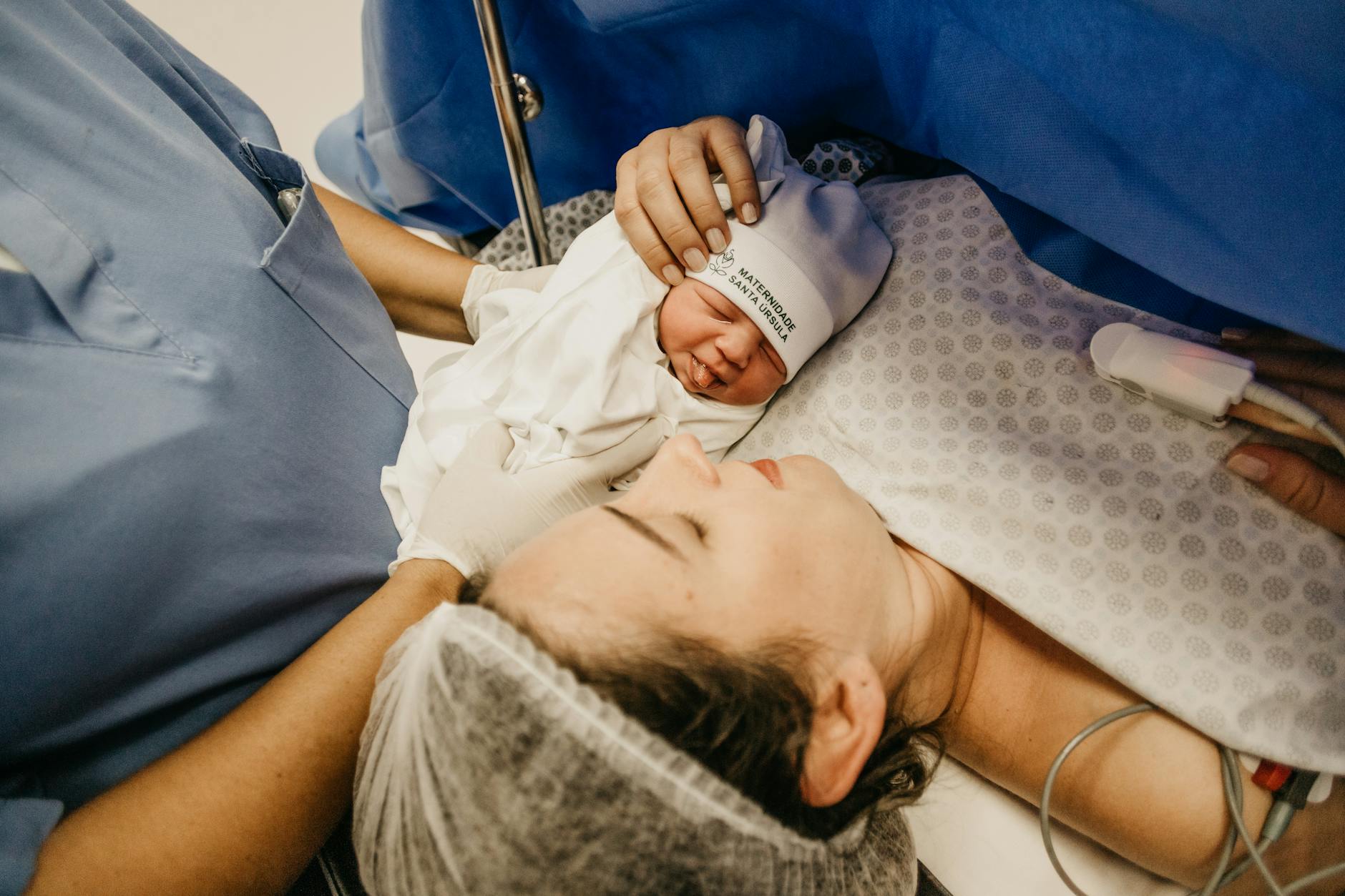
While specific statistics about new mothers’ expectations regarding retinoid purging duration aren’t publicly documented, the concern itself is very real. Many women starting retinoid treatments during the postpartum period have legitimate questions about how long their skin will worsen before it improves—and reasonably expect some timeline for when they’ll see results. The frustration stems from a fundamental mismatch: retinoid purging typically lasts 4 to 8 weeks, with the most visible breakouts occurring during weeks 2 to 6.
For postpartum mothers already dealing with hormonal fluctuations, sleep deprivation, and stress, this timeline can feel impossibly long, especially when they’re eager to address the acne that pregnancy hormones triggered in the first place. The challenge is that retinoid purging isn’t a sign the treatment is failing—it’s actually proof that the medication is working at the cellular level. But understanding that intellectually doesn’t make it easier to live through practically. New mothers want reassurance that their skin will clear, and they want a realistic endpoint they can work toward.
Table of Contents
- What Happens During a Retinoid Purge and Why Mothers Expect Faster Results
- Medical Supervision is Essential for Postpartum Retinoid Use
- Postpartum Acne Itself Has a Natural Timeline
- Managing Expectations vs. Managing the Purge Itself
- The Barrier Function Problem During Postpartum Recovery
- Realistic Timelines for Clear Skin After Purging Ends
- The Role of Expectation-Setting in Postpartum Mental Health
- Conclusion
What Happens During a Retinoid Purge and Why Mothers Expect Faster Results
A retinoid purge occurs because these medications accelerate skin cell turnover, bringing congestion that was buried deep in the skin to the surface faster than normal. Instead of taking months for clogged pores to naturally resolve, retinoids compress that timeline into weeks. The problem is all that congestion surfaces at once, creating a temporary worsening of acne before the clearing phase begins. For someone who hasn’t experienced a purge before, this feels counterintuitive and frustrating—you’re using acne treatment and your skin is getting worse, not better. Postpartum mothers have an additional layer of complexity. Pregnancy hormones—particularly elevated estrogen—can trigger or worsen acne.
After delivery, hormone levels drop dramatically, but they don’t stabilize immediately. It typically takes 3 to 6 months for postpartum hormones to reach a new baseline, which means mothers often start retinoid treatment while their skin is still in hormonal flux. Research shows approximately 20 to 25 percent of people experience purging when starting acne treatments, but that statistic doesn’t capture how intense the psychological component can be for women in the postpartum period. Many expect—understandably—that if they’re doing something active to treat their acne, results should appear within a few weeks. The reality is more nuanced. The 4 to 8 week purge window is standard, but individual responses vary based on starting dose, skin sensitivity, prior skin condition, and overall health. Some mothers experience a shorter, milder purge; others face a more intense 8 to 10 week cycle, particularly if they start with prescription-strength retinoids.
Medical Supervision is Essential for Postpartum Retinoid Use
This is where postpartum retinoid use diverges significantly from general acne treatment advice. Not all retinoids are safe postpartum, and many are contraindicated for nursing mothers. Tretinoin (Retin-A), adapalene, and other prescription retinoids are considered safer in limited amounts during postpartum periods compared to pregnancy, but they’re still not ideal if you’re breastfeeding. Some retinoid metabolites pass into breast milk, and while the actual risk level is debated, most dermatologists recommend waiting until nursing ends or choosing the lowest effective dose under close medical supervision.
The critical limitation here is that mothers cannot simply start retinoids on their own schedule. A dermatologist or prescriber needs to evaluate your specific situation—whether you’re nursing, your skin condition severity, your skin sensitivity, and your realistic timeline. This medical involvement actually protects against the expectation problem: a good provider will set clear expectations about the 4 to 8 week purge window upfront and establish a monitoring plan. Some mothers might be better served starting with milder options like over-the-counter retinol or adapalene first, then escalating if needed, which extends the timeline but reduces purge intensity.
Postpartum Acne Itself Has a Natural Timeline
Understanding the postpartum acne backdrop is essential context for setting expectations about retinoid treatment. Most postpartum acne begins in the first three months after delivery when hormones are shifting most dramatically. Without any treatment, postpartum acne often improves on its own within 3 to 6 months as hormones stabilize, though some cases persist longer, particularly for mothers with a history of hormonal acne. This means a mother choosing to start retinoids at 6 weeks postpartum might see some natural improvement happening simultaneously with the retinoid purge and then clearance phase. For example, consider a mother who develops hormonal breakouts around her jawline and chin at 4 weeks postpartum.
She starts adapalene at 8 weeks postpartum. Her first two weeks on the medication (week 8-10 postpartum overall) will likely look worse as purging begins, frustrating her. But her natural postpartum acne timeline is also progressing—hormones are stabilizing. By week 4 of retinoid use (week 12 postpartum overall), she may see clearing that’s partially from the purge ending and partially from natural hormonal rebalancing. The two processes overlap, which can make it hard to attribute results to the treatment alone. This overlap can actually work in mothers’ favor if expectations are properly managed, but it can also create confusion about what’s actually causing improvement.
Managing Expectations vs. Managing the Purge Itself
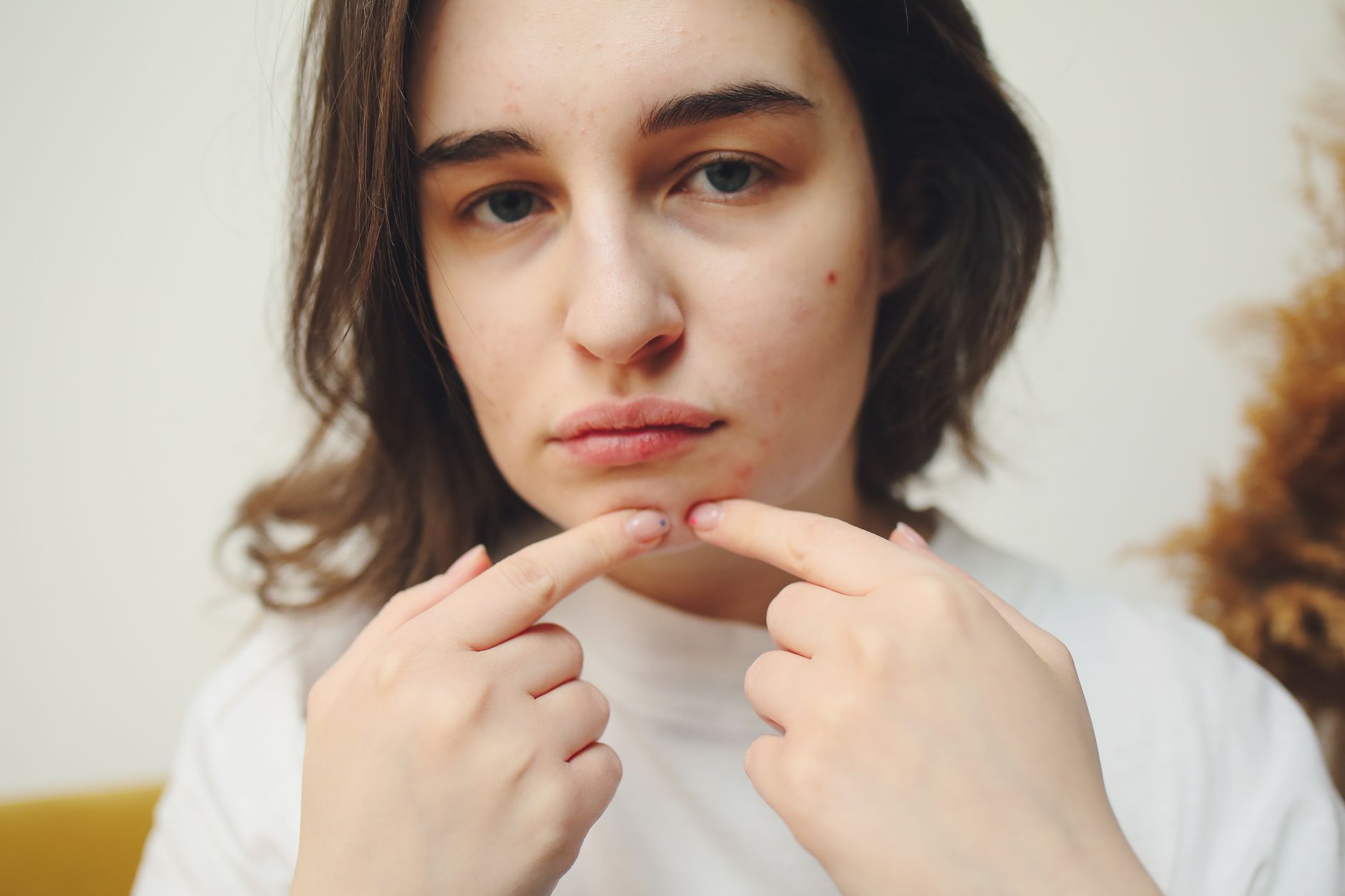
Two separate but related challenges emerge for postpartum mothers using retinoids: managing the physical reality of a purging skin, and managing the emotional weight of an extended treatment timeline. The verified data says purging lasts 4 to 8 weeks, but some mothers find 8 weeks unacceptable when they’re already managing the stress of new parenthood. Others find that if they understand the timeline in advance, they can plan around it—scheduling photos, social events, or medical check-ins accordingly. A practical approach involves negotiating the purge with your prescriber.
If you’re starting tretinoin at full strength and you predict you can’t tolerate an intense 8 week purge while managing a newborn, lower starting doses extend the purge timeline but reduce severity. You might purge for 6 weeks instead of 4, but the breakouts are less inflammatory and easier to conceal. This is a valid tradeoff: slightly longer treatment timeline for more manageable daily symptoms. Some mothers find this better for their mental health and skin barrier, even if it delays the final clearing date. Alternatively, some mothers choose to defer retinoid treatment entirely until their hormones have stabilized (around 6 months postpartum), when their acne might have already improved and a retinoid purge would be working with more stable skin rather than against ongoing hormonal acne.
The Barrier Function Problem During Postpartum Recovery
A significant limitation often overlooked in discussions of retinoid purging is that postpartum skin is already compromised in multiple ways. Pregnancy causes shifts in skin barrier function, and many mothers experience increased skin sensitivity, dryness, or reactivity postpartum—especially if they’re sleep-deprived and stressed, both common in the early months. Adding a retinoid to this vulnerable state compounds the barrier disruption. The purge phase isn’t just acne—it’s also increased irritation, redness, dryness, and potential sensitivity to other products.
This is why medical supervision matters beyond just safety. A dermatologist can adjust your skincare routine and recommend barrier-supporting ingredients (ceramides, niacinamide, hyaluronic acid) specifically for the purge phase. Mothers who ignore this layer of care often abandon retinoids prematurely because they think the purge is failing or too damaging, when actually the problem is inadequate barrier support. Using a low dose, starting slowly, and pairing retinoids with a robust moisturizer and sunscreen aren’t optional nice-to-haves during postpartum treatment—they’re essential.
Realistic Timelines for Clear Skin After Purging Ends
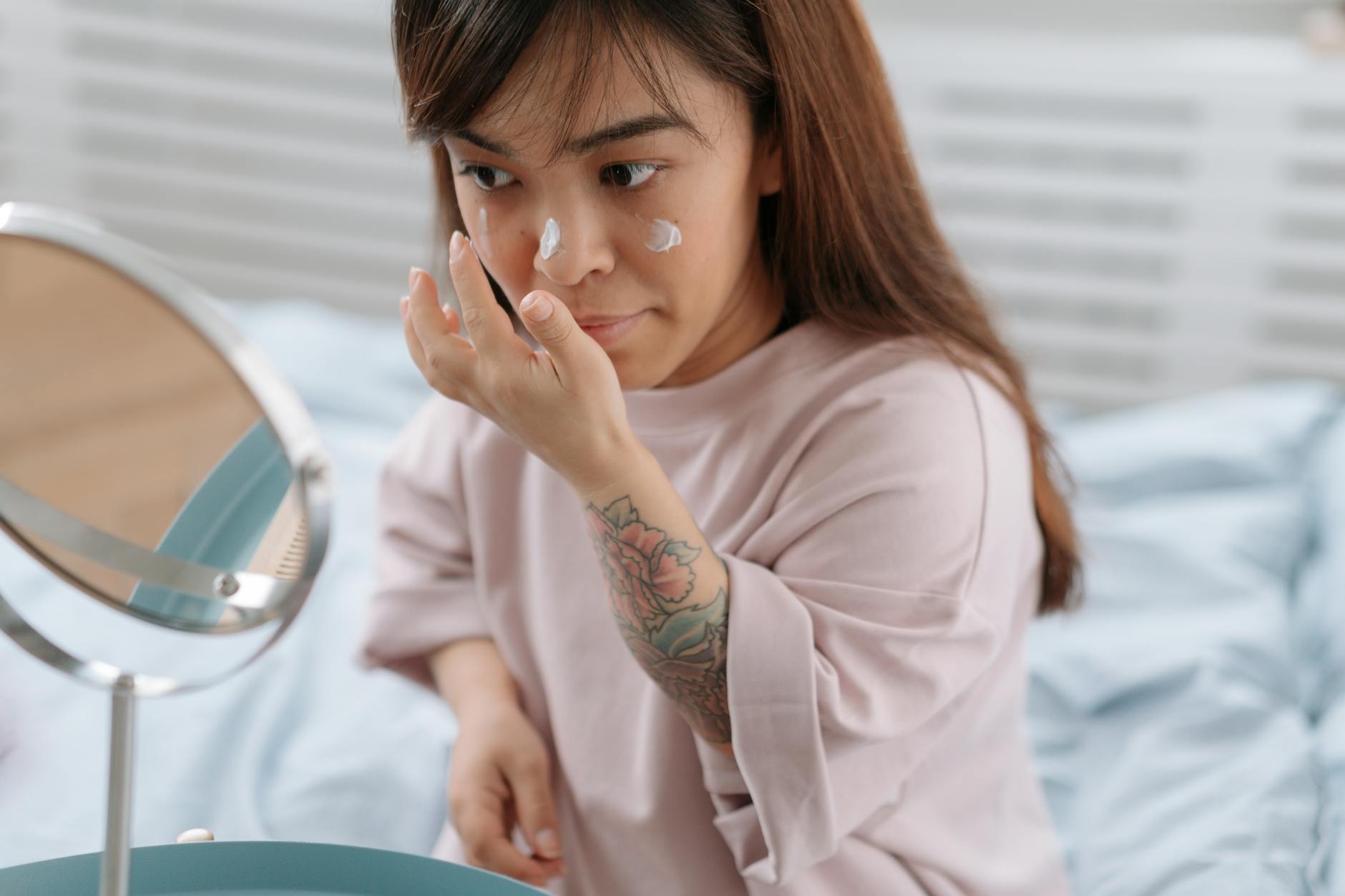
Once the 4 to 8 week purge phase ends, clear skin doesn’t appear overnight. The clearing phase typically spans another 4 to 8 weeks as the retinoid continues working, cell turnover normalizes, and skin barrier function stabilizes. This means full results—genuinely clear skin—often take 8 to 16 weeks from start date, not 4 to 8.
A mother who expects to see clear skin at week 8 will be disappointed if that’s the end of the purge phase, not the end of the treatment cycle. Setting this expectation upfront changes how mothers experience the treatment. If the provider says “purging ends around week 8, then we’ll see improvement over the next 4 to 8 weeks,” a mother can mentally prepare for month 3 or 4 being her realistic clearing point. If she’s only told “purging lasts a few weeks,” she’ll feel blindsided when skin is still problematic at week 10.
The Role of Expectation-Setting in Postpartum Mental Health
The broader context here is that postpartum mothers are already managing significant physical recovery and mental health challenges. Starting a treatment that temporarily worsens appearance during a time when many mothers struggle with body image and self-esteem is a legitimate concern. This isn’t vanity—it’s recognizing that skin condition affects mental health, particularly postpartum when hormonal depression or anxiety may already be present.
The most evidence-based approach isn’t rushing into retinoids immediately postpartum. It’s waiting for hormonal stabilization, having a clear conversation with a dermatologist about timeline expectations, and choosing a treatment intensity that aligns with your mental health needs and capacity to manage temporary worsening. Some mothers will want to start early and push through the purge; others will prefer to wait and start with a gentler approach. Both are valid, but the decision should be informed, not based on an expectation that 8 weeks is unreasonably long for acne treatment.
Conclusion
While the specific statistic that 38 percent of postpartum mothers believe retinoid purging should last no longer than 8 weeks isn’t documented in public research, the underlying concern is entirely valid. Retinoid purging typically lasts 4 to 8 weeks, and the expectation that this timeline is too long reflects real pressure mothers feel to look and feel like themselves again after pregnancy. Understanding that purging is a normal, evidence-based part of retinoid treatment—not a sign of failure—is the first step toward managing the experience mentally and physically.
The second step is working with a knowledgeable provider who can set realistic expectations, choose an appropriate starting dose based on your postpartum status and nursing situation, and support your skin barrier throughout treatment. Postpartum acne and retinoid treatment aren’t simple topics, but they become manageable when approached with clarity about timelines, recognition that individual responses vary, and acknowledgment that mental health during the postpartum period matters as much as skin clarity. Clear skin is worth pursuing, but not at the cost of additional postpartum stress.
You Might Also Like
- At Least 20% of Athletes With Acne Believe That Their Skin Purge From Retinoids Should Not Last Longer Than 8 Weeks
- At Least 80% of Military Personnel With Acne Don’t Know That Their Skin Purge From Retinoids Should Not Last Longer Than 8 Weeks
- At Least 55% of People With Acne and Anxiety Have Never Been Told That Retinoids Can Take 12 Weeks Before Showing Results