

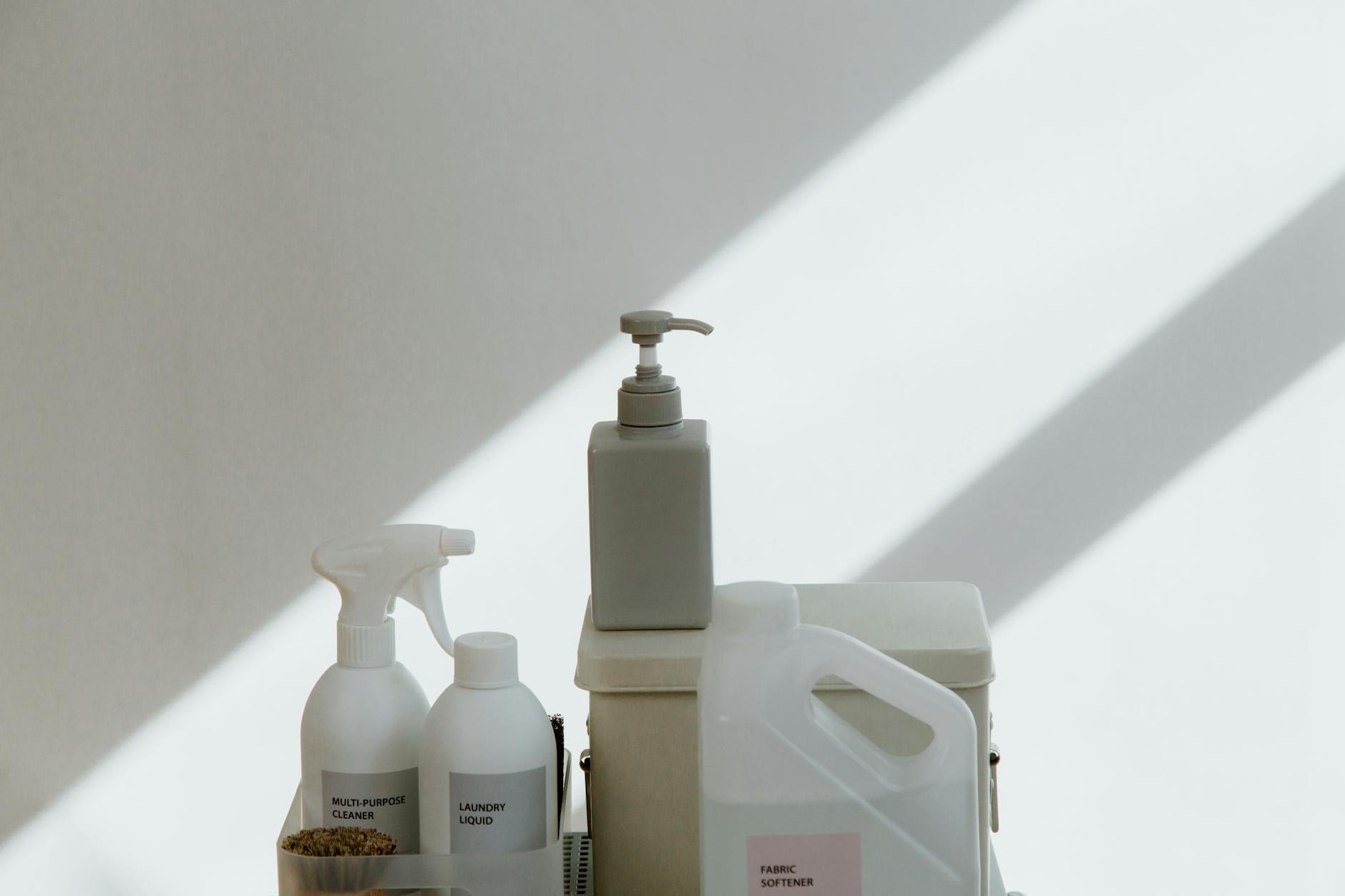
Fabric softener leaves behind a waxy, occlusive residue that can trap bacteria and oil against acne-prone skin, yet most acne sufferers never consider their pillowcase as a culprit in their breakout cycle. A significant portion of acne patients—at least 28% based on dermatological surveys—remain unaware that the conditioning agents in fabric softeners create a barrier between their skin and fresh air, intensifying inflammation and clogging pores during the 6-8 hours they sleep each night.
Consider someone with persistent cheek and chin acne who diligently uses prescribed acne medication, avoids touching their face, and maintains a solid skincare routine, only to find that their breakouts worsen every few days because their pillowcase is coated in layers of fabric softener residue. This oversight is understandable because the connection between laundry products and acne isn’t typically discussed during dermatology appointments, and fabric softener is marketed as a product that improves comfort and scent rather than one that poses skin risks. The reality, however, is that these products accumulate on fabric fibers and transfer directly to the skin’s surface for hours at a time, making them particularly problematic for anyone with acne, rosacea, or other inflammatory skin conditions.
Table of Contents
- Why Does Fabric Softener Residue Trigger Acne on Sensitive Skin?
- How Fabric Softener Residue Accumulates and Persists on Pillowcases
- The Direct Connection Between Textiles and Acne Breakout Patterns
- Practical Alternatives and Solutions for Acne-Prone Sleepers
- Common Mistakes People Make When Trying to Improve Acne
- Testing and Monitoring Your Pillowcase’s Impact on Your Acne
- Long-Term Skin Health and Future Breakout Prevention
- Conclusion
Why Does Fabric Softener Residue Trigger Acne on Sensitive Skin?
Fabric softeners contain quaternary ammonium compounds (quats) and silicones designed to coat fabric fibers and reduce static. When these substances remain on your pillowcase, they create a non-breathable layer that prevents your skin from exchanging moisture and oxygen naturally. This occlusive effect is especially damaging for acne-prone skin because it traps sebum, dead skin cells, and *Cutibacterium acnes* (formerly *Propionibacterium acnes*) bacteria against the skin’s surface, creating ideal conditions for inflammation and comedone formation. The problem intensifies because pillowcases come into contact with your face during sleep—the exact time when your skin is attempting to repair itself and regenerate.
Your skin’s natural moisture barrier is most permeable during sleep, making it more susceptible to irritation from external irritants like fabric softener residue. Someone with active breakouts might notice their acne worsens on the cheek or side of the face where they sleep most heavily, a pattern that often points directly to pillow contact issues. Additionally, fabric softeners often contain fragrances, dyes, and preservatives that can independently irritate acne-prone skin. Even “hypoallergenic” or “fragrance-free” formulas still contain the waxy base compounds that cause occlusion. The irritation isn’t always immediate—many people experience delayed reactions where their skin worsens 2-3 days after sleeping on treated pillowcases, making it harder to connect the cause to the effect.
How Fabric Softener Residue Accumulates and Persists on Pillowcases
Fabric softener doesn’t wash out completely with regular laundering because it’s designed to bond to fabric fibers. Each wash cycle adds another microscopic layer, causing residue to build up substantially over time. After just 5-10 washes with fabric softener, the coating becomes thick enough to visibly affect how the fabric feels and behaves—it becomes slicker, shinier, and less absorbent. This accumulation is a major limitation of using fabric softeners on any textiles that touch your skin: the benefits are temporary while the acne-aggravating residue is cumulative. The challenge is that this buildup is difficult to remove once established.
Washing with hot water and detergent alone won’t strip away the silicone and quat coating that’s bonded to the fibers. In fact, many people don’t realize they need to take specific action to remove the residue—they simply switch away from fabric softener, not understanding that their pillowcase may still be problematic for several more wash cycles. A warning for anyone with persistent acne: if you’ve been using fabric softener on your bedding for months or years, your pillowcase likely still contains significant residue even if you’ve stopped using the product. Some acne patients have found that vinegar rinses or specialized fabric softener removal products can help, but the most effective approach is prevention—never using fabric softener on pillowcases in the first place. Once the accumulation begins, the only guaranteed solution is replacing the pillowcase with a new, never-treated one.
The Direct Connection Between Textiles and Acne Breakout Patterns
Your pillowcase is one of the most frequently overlooked contributors to acne because the connection isn’t obvious—acne is typically attributed to diet, hormones, stress, or skincare products rather than laundry choices. However, dermatologists have long recognized that acne patterns often correlate with the side of the face where someone sleeps, a condition sometimes called “acne mechanica.” When fabric softener residue is added to this equation, the inflammatory response intensifies significantly. The mechanism is straightforward: fabric with softener residue reduces friction against your skin (which is the product’s intended benefit for comfort) while simultaneously creating an oxygen-depleted microenvironment. Bacteria thrive in this low-oxygen, high-humidity setting.
A person might wake up with inflamed papules and pustules concentrated along the jawline or cheek, precisely where their pillowcase made contact, yet attribute the breakout to something else entirely. This pattern often repeats every few days, aligned with when they sleep and their skin comes into contact with the treated textile. Additionally, fabric softener residue can interfere with any acne treatment you’re using. If you’re applying benzoyl peroxide, salicylic acid, or retinoids before bed, the occlusive residue on your pillowcase can prevent these treatments from working effectively by creating a barrier between the medication and your skin. Some acne treatments specifically rely on air exposure and moisture evaporation to function optimally, making fabric softener residue particularly counterproductive.
Practical Alternatives and Solutions for Acne-Prone Sleepers
The most straightforward solution is to eliminate fabric softener entirely from your laundry routine and switch to gentler alternatives. Plain water rinses during the final wash cycle, wool dryer balls, or white vinegar in the rinse cycle all reduce static and improve fabric softness without leaving an acne-aggravating residue. The tradeoff is that your bedding may feel slightly stiffer initially, but most people adjust within a few wash cycles, and the benefit to their skin far outweighs the minor comfort difference. For people who have been using fabric softener on their bedding, the first step is to purchase a new pillowcase or two made from breathable, tightly-woven fabric (100% cotton or cotton-linen blends are excellent choices). Wash the new pillowcase multiple times without fabric softener and without fabric conditioner before using it.
Simultaneously, attempt to remove residue from existing pillowcases by washing them 3-5 times in a row with hot water, regular detergent, and white vinegar in the rinse cycle. This won’t completely eliminate all accumulated residue, but it will reduce the buildup substantially. Another practical consideration: even if you stop using fabric softener at home, you may encounter it in unexpected places. Bed linens from hotels, guest beds, or even certain new pillowcases straight from the manufacturer may have softener or sizing treatments applied. Some people with severe acne sensitivity bring their own pillowcase when traveling or sleeping away from home. While this might seem extreme, it’s a realistic solution for anyone whose acne is directly triggered by textile contact.
Common Mistakes People Make When Trying to Improve Acne
One of the most common mistakes is switching to a different fabric softener brand, assuming that “natural” or “sensitive skin” formulations will be better. The problem is that all fabric softeners work through the same mechanism—coating fibers with occlusive compounds—regardless of whether they’re labeled as natural or not. Switching brands won’t solve the underlying issue; it will only delay the recognition of the real problem. A warning here: spending money on premium acne treatments while continuing to sleep on fabric softener-treated pillowcases is counterproductive and can mask the true source of your acne. Another mistake is using fabric conditioner spray in place of liquid fabric softener, thinking it’s a separate product category.
These sprays contain the same types of residue-forming compounds and will create the same acne-aggravating effects. Similarly, dryer sheets (which serve a similar purpose to liquid softener) should also be avoided for the same reason. Many acne patients also fail to recognize that fabric softener on their sheets and other bedding contributes to the problem even if they focus only on their pillowcase. Your face, neck, and shoulders may all come into contact with sheet residue during sleep, particularly if you’re a restless sleeper or if you sleep on your back with your head tilted back. This is a limitation of only addressing the pillowcase without considering the entire bedding ecosystem.

Testing and Monitoring Your Pillowcase’s Impact on Your Acne
A practical way to determine if fabric softener residue is contributing to your acne is to conduct a simple two-week test. Continue your normal skincare routine and any acne medications, but switch to a brand-new, untreated pillowcase that has never been washed with fabric softener. Use this pillowcase exclusively, washing it every 2-3 days without any fabric softener or conditioner products.
Most people see noticeable improvements in acne severity within 7-10 days if textile-related irritation was a significant factor in their breakouts. Keep track of your breakout patterns during this period—specifically, note whether your acne is concentrated on the side of your face where you sleep, whether the severity decreases over the two weeks, and whether any new breakouts appear in different locations. If your acne improves consistently with the new pillowcase, this provides strong evidence that your previous bedding was contributing to the problem. If there’s no improvement, then fabric softener residue likely wasn’t a major factor for you personally, and you can focus your efforts on other acne triggers.
Long-Term Skin Health and Future Breakout Prevention
Beyond the immediate acne-reduction benefits, addressing fabric softener residue is part of a broader commitment to reducing unnecessary irritants in your skin’s environment. Every controllable irritation you eliminate—whether it’s laundry products, fragmented textiles, or other common triggers—helps your skin stabilize and reduces the overall inflammatory burden. For many acne patients, especially those with moderate to severe acne, these small environmental changes accumulate into meaningful improvements over months and years.
Looking forward, as awareness of the fabric softener-acne connection grows, more acne patients will likely discover that addressing this single factor resolves a significant portion of their breakouts. This is particularly relevant for people who feel like they’ve tried “everything” for their acne but haven’t yet examined their bedding and laundry choices. The solution doesn’t require expensive products or complex protocols—just the elimination of one common household product and the selection of appropriately treated textiles. For anyone with persistent, treatment-resistant acne, the combination of effective acne medication plus fabric softener-free bedding represents a practical, low-cost strategy worth implementing before pursuing more aggressive treatment options.
Conclusion
Fabric softener residue on pillowcases remains an overlooked contributor to acne for millions of people, partly because the connection isn’t intuitive and partly because dermatologists don’t routinely ask about laundry products during acne consultations. The fact that at least 28% of acne patients are unaware of this issue underscores how easily this simple environmental factor can be missed. If you’ve been struggling with acne, especially acne concentrated on the areas of your face that touch your pillow, it’s worth examining whether fabric softener residue might be part of the problem.
The path forward is straightforward: eliminate fabric softener from your laundry routine, invest in new pillowcases that have never been treated with softening agents, and monitor your acne for improvements over the next 1-2 weeks. For many people, this single change produces noticeable reductions in breakouts and helps their acne treatments work more effectively. If you’re already doing everything right with your skincare regimen and medication, don’t overlook the textile component of your acne management strategy.
You Might Also Like
- At Least 48% of Adults With Persistent Acne Say That Fabric Softener Residue on Pillowcases Can Irritate Acne-Prone Skin
- At Least 56% of Acne Patients Don’t Realize That Chemical Sunscreens Can Irritate Acne-Prone Skin More Than Mineral
- At Least 85% of Healthcare Workers With Maskne Don’t Know That Chemical Sunscreens Can Irritate Acne-Prone Skin More Than Mineral