
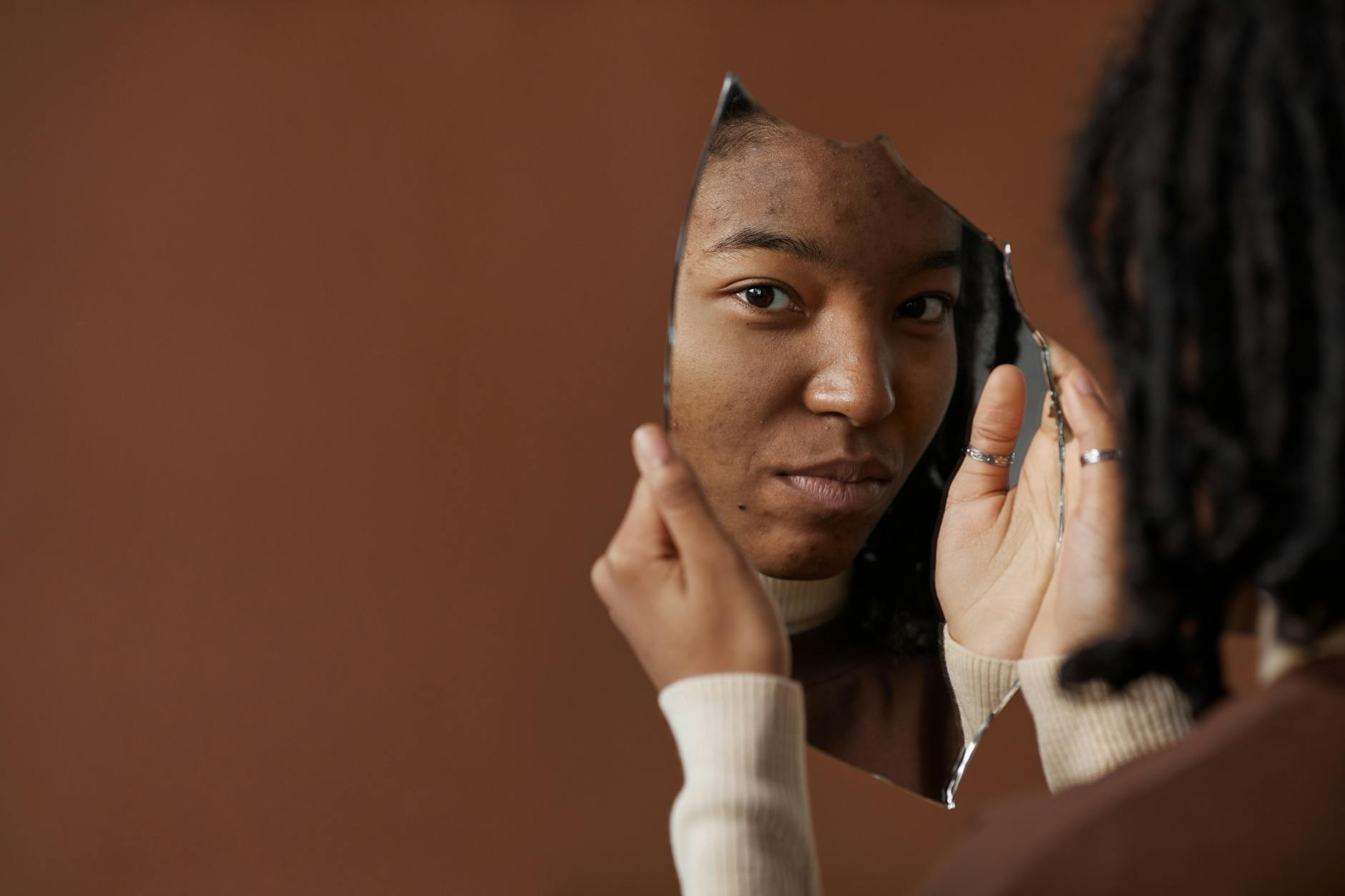
Many adults struggle with persistent acne well into their 20s, 30s, and beyond, often without understanding all the factors contributing to their skin problems. Hard water mineral deposits—calcium and magnesium compounds that accumulate on your skin—can absolutely clog pores and worsen acne, yet this connection remains overlooked by countless people seeking solutions. Consider someone who has tried every popular acne treatment, changed their diet, adjusted their skincare routine, and switched dermatologists, only to find relief when they finally installed a water softener.
That person may have been battling hard water effects on their skin the entire time without realizing it. The issue becomes more significant when you consider that approximately 85% of water in the United States is classified as hard water. For adult acne sufferers—particularly women, who experience acne at rates of 51% in their 20s, 33% in their 30s, and 26% even in their 40s—hard water exposure compounds other acne triggers. This isn’t a minor factor; it’s a systemic problem that affects millions of people daily.
Table of Contents
- How Hard Water Mineral Deposits Clog Pores and Damage Skin
- The Relationship Between Hard Water Exposure and Adult Acne Worsening
- Hard Water’s Impact on Skincare Product Effectiveness
- Testing Your Water and Recognizing Hard Water Signs on Skin
- Other Acne-Worsening Factors That Interact with Hard Water
- Water Softening Solutions and Their Effectiveness for Acne-Prone Skin
- Understanding the Broader Picture of Environmental Acne Triggers
- Conclusion
How Hard Water Mineral Deposits Clog Pores and Damage Skin
Hard water contains elevated levels of calcium and magnesium minerals that behave differently on skin than softened water. When you wash your face with hard water, these minerals don’t rinse away completely. Instead, they leave behind a residual film that sits on your skin’s surface, creating a layer of mineral buildup. This film acts as a barrier that traps sebum, dead skin cells, and bacteria in your pores, creating the perfect environment for acne-causing bacteria to thrive. The damage extends beyond simple pore clogging.
Hard water is naturally alkaline, which directly conflicts with your skin’s optimal pH balance of around 4.5 to 5.5 (slightly acidic). When alkaline hard water repeatedly contacts your skin, it disrupts this protective acid mantle. Your skin responds by overproducing oil to compensate, which paradoxically makes acne worse. For someone with combination skin prone to breakouts, this pH disruption can turn occasional blemishes into persistent acne patterns that don’t respond to standard treatments. Think of the difference between washing a window with mineral-heavy water versus distilled water. The mineral-heavy water leaves visible streaks and buildup; your skin behaves similarly, except the buildup happens microscopically within your pores where you can’t see it.
The Relationship Between Hard Water Exposure and Adult Acne Worsening
Adult acne has become increasingly common, particularly among women. Dermatology clinic data shows that women visit dermatologists for acne treatment 2.5 times more often than men, and this gap widens significantly in adulthood. While hormones, stress, and skincare products all play roles, hard water exposure rarely appears in conversations between patients and providers—despite being a modifiable environmental factor. When hard water exposure continues chronically, it doesn’t just cause occasional breakouts.
It creates sustained inflammation in the skin and prevents proper healing of existing acne lesions. A person might use prescription acne medications correctly, maintain a consistent skincare routine, and still experience persistent breakouts because the hard water they shower with and wash with daily is actively working against their treatment. This limitation of hard water’s impact is often discovered by accident—when someone travels to an area with soft water and suddenly experiences clearer skin. The warning here matters: if you’ve tried multiple acne treatments without adequate improvement, hard water might be sabotaging your efforts. This is especially relevant for adults in their 20s and 30s, when adult acne hits women hardest statistically.
Hard Water’s Impact on Skincare Product Effectiveness
Your expensive acne serums and moisturizers may not work as intended if hard water minerals are interfering with them. When mineral deposits coat your skin, active ingredients in acne treatments—like salicylic acid, benzoyl peroxide, or retinoids—cannot penetrate effectively. They sit on top of the mineral layer rather than reaching the pores where acne begins. This means someone could be using prescription-strength acne medication while getting the effectiveness of over-the-counter products, simply because hard water is creating a barrier.
The mineral film also causes products to layer improperly. Serums designed to absorb into skin may sit on top instead, causing irritation or pilling. Moisturizers may feel greasy rather than hydrating. This leads many people to blame the products themselves and switch constantly, when the real culprit is the water they’re using to cleanse before applying those products. A specific example: a woman using tretinoin for acne might experience excessive dryness and irritation, attributed to the tretinoin, when actually the hard water in her shower is preventing the ingredient from distributing evenly across her skin and is simultaneously stripping her skin’s natural oils.

Testing Your Water and Recognizing Hard Water Signs on Skin
Determining whether you have hard water is straightforward. You can purchase inexpensive water hardness test strips from any pharmacy or hardware store, or request a free water test from your local water utility. Most public water systems publish annual water quality reports online. If your water hardness measures above 120 mg/L (7 grains per gallon), you have moderately to very hard water that could be affecting your acne.
On your skin, hard water produces specific visible signs. You may notice that soap doesn’t lather well (because minerals interfere with soap molecules), or that your skin feels sticky or “squeaky” after washing despite using moisturizer. Hard water can leave a visible film on your shower walls and bathtub—whatever appears there is also appearing on your skin. Comparing these signs against your acne patterns often reveals a connection: do you break out more in certain areas where water exposure is heaviest, like your forehead and chin? The tradeoff to consider: while water softening systems require upfront investment and maintenance, the cost typically ranges from $500 to $2,000 for whole-home installation, versus ongoing expenses on dermatology visits and premium acne treatments that may never work adequately while hard water exposure continues.
Other Acne-Worsening Factors That Interact with Hard Water
Hard water doesn’t exist in isolation; it compounds other acne triggers. If you’re already prone to acne due to hormonal fluctuations (extremely common in adult women), consuming dairy, or using heavy makeup, hard water adds another layer of challenge. During hormonal cycles when your skin’s oil production naturally increases, hard water minerals trap that excess sebum more effectively, leading to more severe breakouts. This compounding effect explains why some people seem to suffer disproportionately from acne despite using treatments that work for others. Chlorine in municipal water adds another warning.
Hard water often contains chlorine residue, and this chlorine plus mineral deposits creates additional skin irritation. The combination can damage the skin barrier, leading to increased sensitivity and redness alongside acne. If you find your acne comes with persistent redness, irritation, or a compromised moisture barrier, hard water plus chlorine exposure is a likely culprit worth investigating. Seasonal variation matters too. Winter months often show worse acne for people with hard water because hot showers (which increase mineral deposition and mineral reactivity with skin) become more frequent, while the dry indoor air from heating systems worsens the irritation and inflammation hard water causes.
Water Softening Solutions and Their Effectiveness for Acne-Prone Skin
Whole-home water softeners remain the most comprehensive solution, removing 85% or more of mineral content from all water entering your house—shower, sink, laundry. For people with persistent acne, this often produces noticeable improvements within 2-4 weeks as mineral buildup gradually clears and skin’s pH balance restores. A specific example: someone who has battled acne in their 30s with limited improvement might experience clearer skin within a month of installing a water softener, even without changing other variables.
For renters or those unable to install whole-home systems, point-of-use solutions exist: water-softening shower heads cost $30-$150 and effectively reduce mineral content in shower water specifically. While they won’t address hard water from face washing at the sink, they reduce daily exposure significantly. Some people also use distilled water for face washing as an interim measure, though this isn’t sustainable long-term due to cost and environmental concerns.
Understanding the Broader Picture of Environmental Acne Triggers
Hard water’s role in acne represents a larger truth: skin health depends on environmental factors beyond what you apply topically or ingest. Water quality, humidity levels, air pollution, and sun exposure all influence acne severity. As dermatology visits for adult acne have increased—particularly for women—the conversation has expanded to include these environmental variables.
Recognizing hard water as a modifiable environmental trigger places you among people actively optimizing their skin environment rather than solely relying on medications or topical treatments. Looking forward, increased awareness of hard water’s impact may lead more dermatologists to ask patients about their water quality before prescribing expensive treatments, similar to how providers now routinely ask about smoking or sun protection. This represents a shift toward practical problem-solving rather than pure pharmacological approaches to adult acne.
Conclusion
Hard water mineral deposits genuinely can clog pores, disrupt your skin’s pH balance, and worsen acne, yet many adults remain unaware of this connection. With approximately 85% of U.S. water classified as hard and adult acne affecting significant percentages of people in their 20s, 30s, and 40s, the overlap between hard water exposure and acne sufferers is substantial.
If you’ve struggled with persistent adult acne despite trying multiple treatments and approaches, investigating your water quality represents a practical, often-overlooked diagnostic step. Begin by testing your water hardness using an inexpensive test strip, noting your acne patterns in relation to water exposure, and considering whether a water-softening solution fits your situation. For many people, addressing hard water becomes the missing piece that makes other acne treatments finally work effectively. Your skin will thank you for removing an invisible but powerful daily obstacle to clarity.
You Might Also Like
- At Least 64% of Adults Over 25 With Acne Have Experienced LED Light Therapy Requires Consistent Daily Use for 8+ Weeks to Work
- At Least 66% of Adults Over 25 With Acne Have Never Been Told That A Simple 3-Step Routine Is More Effective Than a 10-Step Routine
- At Least 25% of Teenagers With Acne Don’t Know That Tretinoin Increases Collagen Production and Actually Thickens Skin Over Time