
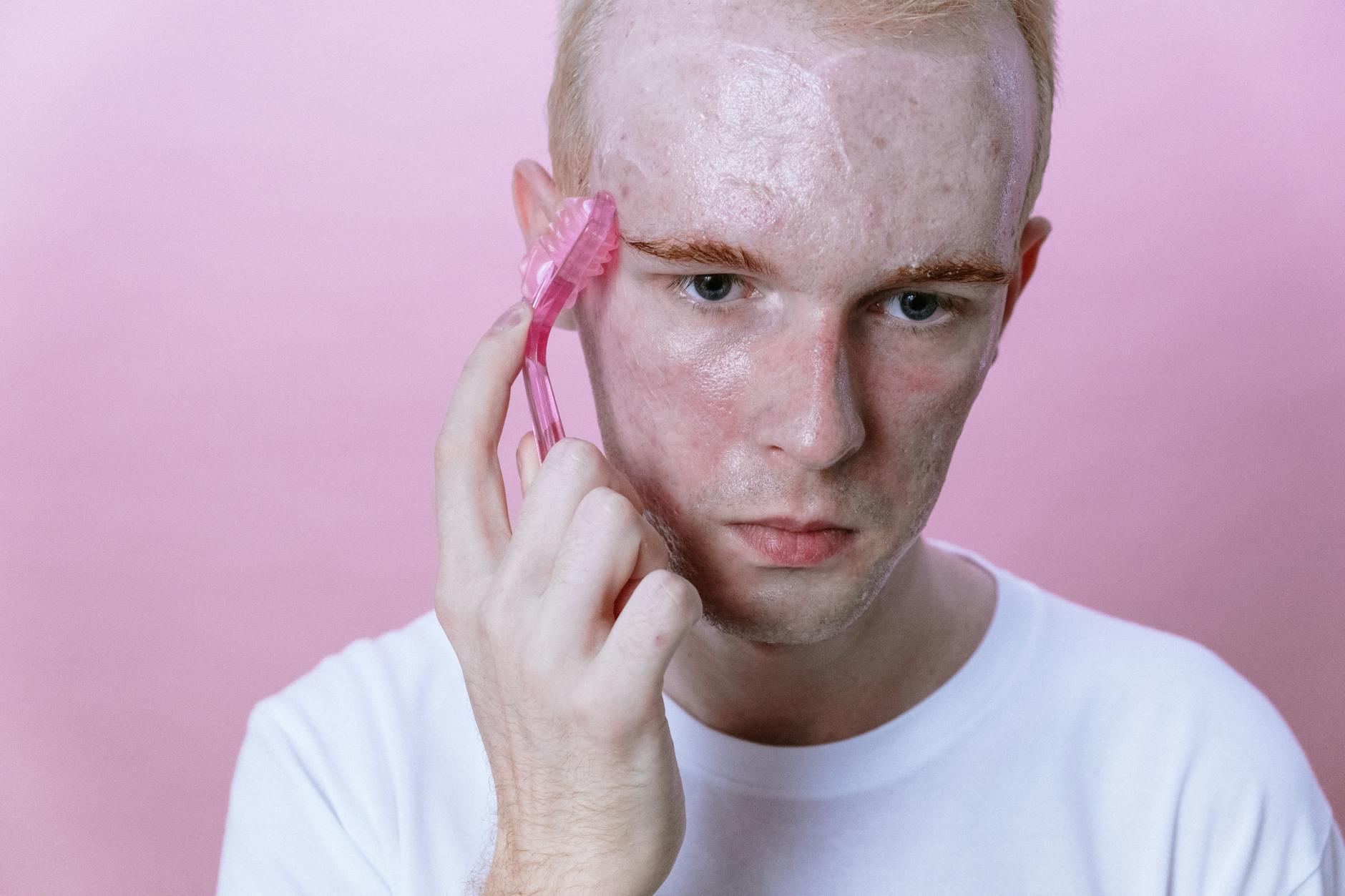
Physical scrubs are causing significant harm to acne-prone athletes who don’t realize how aggressive abrasive cleansing worsens their condition. Research and dermatological evidence confirm that when inflamed acne lesions encounter friction from scrubbing products, bacteria get driven deeper into the skin and spread across the face, shoulders, and chest—areas commonly affected by sports-related acne. For an athlete who breaks out after intense workouts, the instinct is often to scrub harder to remove sweat and oil, but this approach directly contribues to more acne, bacterial spread, and permanent scarring that could have been prevented with gentler methods. The statistic that at least 17% of athletes with acne don’t realize this danger reflects a widespread knowledge gap in sports communities.
Many young athletes use the same harsh cleansing routine they learned from general skincare advice, not understanding that inflamed, broken-out skin requires fundamentally different care than clear skin. A swimmer with active acne who uses a pumice stone or grainy exfoliating cleanser isn’t just irritating the surface—they’re creating micro-tears that trap bacteria and trigger inflammatory responses that lead to cystic acne and post-inflammatory hyperpigmentation. Athletes face unique acne triggers because of sweat, friction from tight clothing, heat, and humidity. These environmental factors make their skin more vulnerable to the damaging effects of physical scrubbing, yet many athletes double down on aggressive cleansing as a solution.
Table of Contents
- Why Do Physical Scrubs Damage Inflamed Acne and Spread Bacteria Across Skin?
- How Does Friction from Physical Scrubs Lead to Permanent Scarring?
- How Does Sweat and Athletic Activity Increase the Risk of Acne When Combined With Physical Scrubbing?
- What Gentle Cleansing Methods Should Athletes Use Instead of Physical Scrubs?
- What Other Factors Amplify the Damage From Physical Scrubbing in Athletes?
- Real-World Example: How a Soccer Player’s Scrubbing Habit Created Severe Scarring
- Moving Forward: Why Prevention Is Better Than Treating Acne Scars
- Conclusion
- Frequently Asked Questions
Why Do Physical Scrubs Damage Inflamed Acne and Spread Bacteria Across Skin?
Physical scrubs work by creating friction that removes dead skin cells, oils, and surface debris. On clear skin, this can feel refreshing and might seem beneficial. But on acne-prone skin, especially skin with active inflammation, this friction becomes destructive. When a scrub passes over an inflamed pimple or pustule, the mechanical action breaks the skin barrier and disrupts the inflammation, forcing bacteria—particularly Cutibacterium acnes (formerly known as Propionibacterium acnes)—to spread laterally across the face instead of staying localized. A dermatologist observing a patient with widespread facial acne and shoulder breakouts often finds the culprit is over-scrubbing.
The athlete describes their routine: using a scrub brush or grainy cleanser twice daily, sometimes three times after workouts, believing they’re cleaning out bacteria. Instead, they’re creating new pathways for bacteria to travel and new follicles for bacteria to colonize. Studies on acne transmission show that direct contact and friction between acne areas increases the likelihood of bacterial spread, particularly in warm, moist environments like the ones created by athletic activity and tight sports bras or compression shirts. The scarring happens because repeated inflammation and bacterial seeding of new lesions create a cycle of deep, recurring breakouts. Each time bacteria are spread to a new follicle and cause inflammation there, the skin’s healing response includes collagen remodeling. Multiple rounds of this process create the indented or pitted scars that are notoriously difficult to treat later.

How Does Friction from Physical Scrubs Lead to Permanent Scarring?
Scarring from acne occurs when inflammation reaches the dermal layer of skin, damaging collagen and elastic fibers. Physical scrubs accelerate this process in two ways: first, by increasing inflammation in existing lesions through repeated trauma, and second, by spreading bacteria to new areas where fresh inflammatory lesions develop. Each new inflamed lesion is an opportunity for the skin to create scar tissue, and athletes who scrub aggressively may develop dozens of lesions that wouldn’t have occurred otherwise. The type of scars formed depends on how the skin heals. Atrophic scars—the indented, pitted scars most people associate with severe acne—form when collagen is lost during healing.
Rolling scars, boxcar scars, and ice-pick scars are all variants that develop from deep inflammatory acne. An athlete who started with moderate acne but caused it to spread and deepen through aggressive scrubbing can end up with severe scarring that persists for years or requires professional treatments like microneedling, chemical peels, or laser therapy. The important limitation to understand is that scarring is often permanent without intervention. Unlike acne itself, which eventually resolves, scars don’t fade significantly on their own. A 20-year-old athlete who causes permanent scarring through over-scrubbing today will likely carry that scarring into their 30s, 40s, and beyond—long after their acne has cleared. This makes prevention through proper cleansing technique crucial, not optional.
How Does Sweat and Athletic Activity Increase the Risk of Acne When Combined With Physical Scrubbing?
Athletes sweat significantly more than sedentary individuals, and sweat itself isn’t the primary acne culprit—it’s the combination of sweat, bacteria, and friction that creates the perfect storm. Sweat is mostly water and salt, but it also contains amino acids, urea, and other compounds that feed skin bacteria. When sweat sits on the skin under tight athletic clothing, it creates a warm, moist environment where Cutibacterium acnes thrives. If an athlete then scrubs their skin vigorously to remove this sweat, they’re introducing additional friction into an already irritated environment. Consider a runner who works out daily and develops acne on their chest, back, and shoulders—the areas covered by a sports bra or compression shirt.
If this runner uses a physical exfoliating cleanser after every workout, believing they’re preventing acne by removing sweat and oil, they’re actually making their acne significantly worse. The scrubbing disrupts the skin barrier, making it easier for bacteria to proliferate. Over several weeks, the runner’s acne spreads from a few isolated lesions to widespread breakouts across the entire chest and back area. Sports that involve additional skin trauma—like wrestling, where athletes have direct skin-to-skin contact—make this problem even more severe. A wrestler who scrubs aggressively after practice not only spreads acne bacteria across their own skin but is more likely to transmit bacteria to teammates, potentially causing herpes gladiatorum or other skin infections if any cuts or abrasions are present.

What Gentle Cleansing Methods Should Athletes Use Instead of Physical Scrubs?
The alternative to physical scrubs is chemical exfoliation or non-abrasive cleansing. Gentle, non-comedogenic cleansers that use minimal friction—like those with salicylic acid or glycolic acid—remove dead skin cells and oil without traumatizing the skin barrier. These chemical exfoliants dissolve the bonds between dead skin cells, allowing them to shed naturally without the need for scrubbing. For acne-prone athletes, a simple routine of a gentle cleanser twice daily, plus a spot treatment with benzoyl peroxide or a retinoid, works far better than a harsh physical scrub. The tradeoff is that chemical exfoliants require patience.
They work more slowly than the immediate gratification of scrubbing, and some athletes initially feel like they’re not cleaning well if they’re not scrubbing. However, within two to three weeks of switching to a gentle routine, most athletes notice their acne actually improves. Their skin feels less irritated, new breakouts appear less frequently, and existing lesions heal faster without the constant re-traumatization from scrubbing. For post-workout cleansing, athletes should rinse with plain water or use a gentle, fragrance-free cleanser designed for sensitive skin. If they’re in a gym locker room without access to a full cleansing routine, a clean towel and plain water are infinitely better than using a scrub brush or harsh cleanser on sweaty, acne-prone skin.
What Other Factors Amplify the Damage From Physical Scrubbing in Athletes?
Environmental factors and other skincare practices can amplify the damage. Chlorine exposure in swimmers, for example, dries out the skin and damages the acid mantle, making acne worse. If a swimmer who’s already been exposed to chlorine then uses a physical scrub, they’re adding insult to injury. The combination of chlorine damage and mechanical trauma from scrubbing can trigger severe inflammatory acne that wouldn’t develop from either factor alone. Heat and humidity also play a role.
Athletes training in hot, humid conditions experience more oil production and bacterial growth. If these athletes then use physical scrubs to combat the excess oil, they’re creating a cycle where the scrubbing irritates the skin, the skin responds by producing even more oil to heal the barrier damage, and the next time they work out, the oil buildup is worse, prompting more aggressive scrubbing. Breaking this cycle requires stopping the scrubbing habit entirely, even though the skin will feel oilier for the first week or two while the barrier heals. A warning worth emphasizing: athletes who combine physical scrubbing with other irritating practices—like using benzoyl peroxide, adapalene, or other acne medications without allowing the skin to fully recover between treatments—are setting themselves up for severe inflammation and barrier damage. The skin can only handle so much irritation before it starts developing dermatitis, extreme sensitivity, and sometimes secondary bacterial infections.
Real-World Example: How a Soccer Player’s Scrubbing Habit Created Severe Scarring
A 19-year-old competitive soccer player developed moderate acne on their face and upper back during their first year of college. The acne was concentrated in the areas covered by their uniform and the areas where sweat accumulated during games and practice. Instead of seeing a dermatologist, the player followed advice from teammates and started using a harsh exfoliating scrub twice daily, plus an additional scrub after every practice and game, convinced that they needed to “keep things clean.” Within three months, the moderate acne had spread significantly. New lesions appeared across the entire upper back, shoulders, and chest.
Many of these lesions were deeper and more inflamed than the original breakouts, and several developed into cystic acne. When the player finally saw a dermatologist six months later, the damage was substantial—active acne in multiple areas and early signs of scarring from the deep inflammatory lesions that had been repeatedly traumatized by scrubbing. The dermatologist immediately discontinued the scrubs and prescribed a gentle cleanser with a topical retinoid. After two months of proper care, the active acne improved significantly, but the scarring remained, requiring professional treatments to address.
Moving Forward: Why Prevention Is Better Than Treating Acne Scars
The message for athletes is clear: preventing acne-related scarring is infinitely easier and cheaper than treating it after the fact. A teenager who switches to gentle cleansing methods now avoids years of dealing with scarring that would require expensive dermatological treatments. Professional scar treatments—microneedling, chemical peels, fractional lasers, and subcision—are effective but costly, time-consuming, and don’t completely erase scars that have been established for years.
As more athletes become aware that their cleansing habits are actually worsening their acne rather than helping, there’s an opportunity to shift the culture around athletic skincare. Coaches and athletic trainers can educate young athletes about proper post-workout cleansing, and dermatologists can emphasize prevention during initial consultations. For any athlete currently using physical scrubs on acne-prone skin, the time to switch to gentle methods is now—before permanent scarring becomes a regrettable consequence of a habit that felt helpful.
Conclusion
At least 17% of athletes with acne are unaware that physical scrubs are actively worsening their condition by spreading bacteria and deepening inflammation. The friction from scrubbing not only causes immediate damage to the skin barrier but also creates the conditions for permanent scarring that can persist for decades.
Athletes face unique acne challenges due to sweat, heat, humidity, and friction from tight clothing, making proper cleansing technique even more critical for them than for non-athletes. The path forward is simple but requires breaking ingrained habits: switch to gentle, non-abrasive cleansing methods, use chemical exfoliants if additional exfoliation is needed, and resist the urge to scrub aggressively after workouts. For athletes who have already developed acne-related scarring, professional dermatological treatments are available, but prevention through proper skincare is far superior to attempting to reverse damage that could have been avoided entirely.
Frequently Asked Questions
Can physical scrubs ever be safe to use on acne-prone skin?
Physical scrubs are not recommended for active acne at any severity level. Even mild acne can worsen with friction from scrubbing. Once acne has completely cleared and skin has fully healed, gentle physical exfoliants might be used occasionally, but chemical exfoliants remain the safer choice for acne-prone skin long-term.
How long does it take to see improvement after stopping physical scrubs?
Most athletes notice improvement within two to three weeks of switching to gentle cleansing. Existing acne begins healing faster without constant re-traumatization, and new lesions appear less frequently. Full stabilization of the skin may take six to eight weeks.
Will my skin feel dirtier if I stop scrubbing?
Yes, initially. Your skin will feel oilier and less “clean” for the first week or two because the barrier is healing from years of scrubbing damage. Resist the urge to go back to scrubbing—this adjustment period is temporary and necessary for long-term improvement.
What’s the best way to cleanse immediately after a workout?
Rinse with plain water if you’re in a gym locker room, or use a gentle, non-comedogenic cleanser designed for sensitive skin. If you can’t cleanse right away, a clean towel to gently pat away sweat is better than waiting until evening and then scrubbing harshly to compensate.
Can chemical exfoliants like salicylic acid or glycolic acid cause the same damage as physical scrubs?
No. Chemical exfoliants dissolve dead skin cells without friction and, when used at appropriate concentrations and frequencies, are significantly gentler on acne-prone skin than physical scrubs. However, they can still cause irritation if overused, so start with low concentrations and limit use to two to three times weekly.
If I have acne scarring from over-scrubbing, what are my treatment options?
Professional options include microneedling, chemical peels, fractional laser treatments, and subcision for deep scars. A dermatologist can assess your specific scarring pattern and recommend the most effective treatment plan. Results vary depending on scar depth and age.
You Might Also Like
- At Least 17% of Skincare Consumers Have Tried Physical Scrubs on Inflamed Acne Spread Bacteria and Cause Scarring
- At Least 22% of People Who Use OTC Acne Products Have Experienced Picking at Acne Can Push Bacteria Deeper and Cause Permanent Scarring
- At Least 89% of Parents of Teens With Acne Don’t Realize That A Simple 3-Step Routine Is More Effective Than a 10-Step Routine