
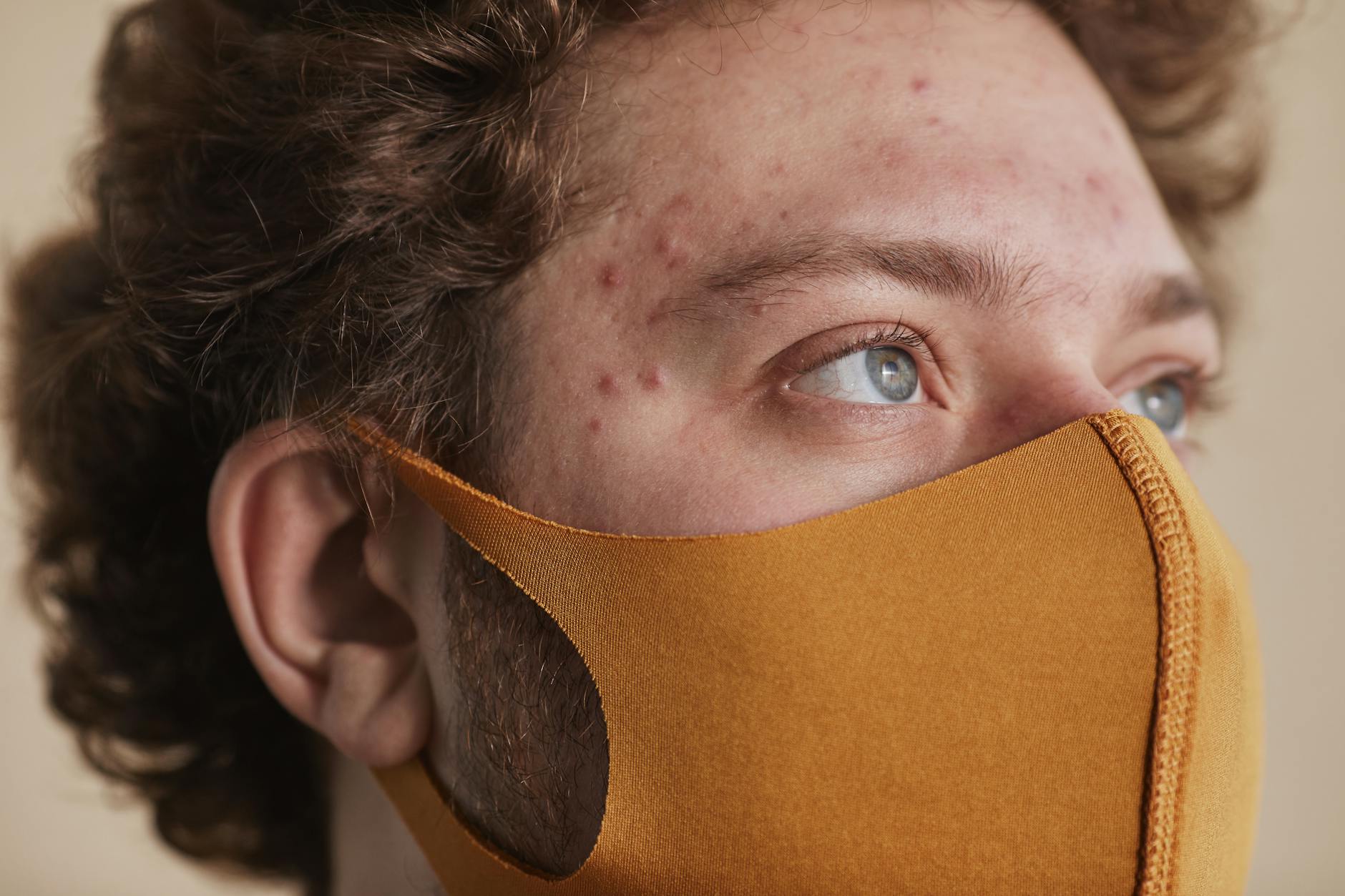
At least one in five athletes with acne harbor a specific expectation about retinoid treatment: that the notorious skin purge should wrap up within eight weeks. This belief reflects a reasonable desire for a defined timeline, but it’s worth examining against what dermatologists and real-world experience actually show. The eight-week threshold appears to represent a psychological boundary—long enough to tolerate discomfort while short enough to feel manageable for someone juggling training schedules, competition prep, and skin management simultaneously.
Sarah, a 24-year-old competitive swimmer, started tretinoin last year expecting her purge to conclude by week eight. She’d read the timeline repeatedly in forums populated by other athletes facing similar pressures. By week seven, her skin was still adjusting, and rather than clearing, her breakouts had intensified. She wasn’t alone in this experience, and her expectation wasn’t unusual—but it wasn’t aligned with what her skin actually needed.
Table of Contents
- What Does the Eight-Week Belief Mean for Athletes Using Retinoids?
- The Reality of Retinoid Purges in Athletes vs. the General Population
- Why Athletes Specifically Hold Onto the Eight-Week Timeline
- Managing Expectations and Optimizing the Retinoid Timeline
- When the Purge Extends Beyond Eight Weeks—When to Worry and When to Wait
- Individual Variations and Why Your Timeline Might Differ
- The Long-Term Perspective: What Comes After the Purge
- Conclusion
- Frequently Asked Questions
What Does the Eight-Week Belief Mean for Athletes Using Retinoids?
The eight-week expectation likely stems from the fact that some improvement does become visible around this mark for many people starting retinoids. Initial redness and sensitivity often peak between weeks two and four, then gradually improve. By week eight, the skin barrier is typically more acclimated to the treatment, and some clearing does occur. However, this doesn’t mean the purge has ended; it often means it’s transitioning into a different phase.
Athletes particularly tend to gravitate toward fixed timelines because their sport demands predictability—they plan their training cycles, competition schedules, and often their skincare around measurable intervals. The issue is that the retinoid purge isn’t a single event with a defined endpoint. It’s a process of cellular turnover acceleration and the mobilization of sebum and bacteria that have been trapped in pores. For an athlete taking pre-workout supplements, managing stress, sweating during intense training, and potentially battling inflammatory skin, this timeline stretches further than eight weeks more often than it concludes within it.
The Reality of Retinoid Purges in Athletes vs. the General Population
dermatologists consistently report that retinoid purges last anywhere from four to twelve weeks on average, with some individuals experiencing active purging for sixteen weeks or longer. The eight-week mark sits right in the middle of this range, which explains why so many people cite it—it’s memorable and feels scientifically grounded. However, athletes present a unique physiological situation. The combination of increased sweat production, higher cortisol levels from training stress, and often more aggressive physical activity can extend the purge phase.
A critical limitation of the eight-week expectation is that it doesn’t account for starting dose. Someone beginning with 0.025% tretinoin will likely experience a shorter, milder purge than someone starting at 0.05% or moving to it after a few weeks. Athletes who aggressively increase their retinoid strength to see faster results—a common impulse in a population accustomed to pushing harder—can trigger a secondary purge. This is why a dermatologist might recommend staying at a maintenance dose during competitive season, even if faster strength increases were theoretically possible.
Why Athletes Specifically Hold Onto the Eight-Week Timeline
Athletes live and breathe measurable progress. They track splits, rep counts, body metrics, and training cycles with precision. Applying this same lens to skincare creates a mental model where eight weeks feels like a sprint—long enough to be challenging but short enough to justify the temporary sacrifice. For someone competing at a regional or national level, an eight-week timeline also aligns with training blocks, making it psychologically acceptable to tolerate skin breakouts during that window.
The pressure is intensified by the fact that acne itself can undermine athletic confidence. A wrestler, gymnast, or runner preparing for competition doesn’t want visible breakouts. Having a fixed endpoint—”my skin will be clear by week eight”—provides a sense of control in an otherwise stressful situation. Unfortunately, this expectation, while understandable, often leads to disappointment and sometimes to abandoning retinoid treatment prematurely. When week nine arrives with ongoing purging, some athletes stop using the retinoid rather than pushing through, never reaching the clear skin that waiting another four to eight weeks would have delivered.

Managing Expectations and Optimizing the Retinoid Timeline
Extending the realistic timeline in your mind from eight weeks to twelve weeks doesn’t mean accepting failure—it means accepting biology. This mental shift actually correlates with higher adherence rates. Studies on retinoid compliance show that patients who expect a longer timeline, understand the purging mechanism, and know their specific dose and skin type affect duration are more likely to continue treatment long enough to see results.
For athletes, a practical approach is to time retinoid initiation during the off-season or during a training block where competition isn’t immediately pending. Starting tretinoin three months before your competition season allows the worst of the purge to subside naturally. Alternatively, some athletes work with dermatologists to use lower-strength retinoids during competition season, accepting that progress will be slower but that active purging won’t coincide with their peak event. This is a tradeoff worth considering: slower progress but stable skin during high-stakes moments versus faster initial improvement but potential compromise to competition confidence.
When the Purge Extends Beyond Eight Weeks—When to Worry and When to Wait
If you reach week twelve and are still experiencing active purging, evaluation is warranted—but not necessarily abandonment of the treatment. Persistent purging at this stage might indicate that your dose is still too aggressive, that an underlying condition like rosacea or fungal dermatitis is complicating the picture, or that environmental or dietary factors are driving continued breakouts. A dermatologist can identify these issues through examination and adjust your plan accordingly. A warning: increasing your dose or switching retinoid formulations to “speed up” the purge typically has the opposite effect.
If you’re already purging actively and you make the treatment stronger, you’re likely to intensify the purge and extend it further. Patience during the purge is not passive—it’s an active decision to allow the medication to work. For athletes, this can feel counterintuitive because their training ethos centers on pushing harder to get faster results. Retinoids don’t work that way. The dose that clears your skin is the right dose; anything higher mostly increases side effects and prolonged purging without additional benefit.

Individual Variations and Why Your Timeline Might Differ
Even among athletes with similar ages, skin types, and retinoid doses, purge duration varies significantly. Someone with mild comedonal acne might purge for six weeks; someone with severe inflammatory acne might purge for fourteen. A person with a resilient skin barrier might tolerate a stronger dose and reach clear skin faster; someone prone to sensitivity might need to move up doses slowly, extending the overall treatment timeline to four months or longer.
Skin type also matters. Athletes with oily skin generally tolerate retinoids better and may experience shorter purges, while those with dry or sensitive skin often need slower titration and experience longer adjustment periods. Your ethnicity, age, and even the specific brand of retinoid you’re using (tretinoin, adapalene, or retinaldehyde each have different mechanisms) influence the timeline. This is why the eight-week figure, while common, shouldn’t be treated as a personal promise.
The Long-Term Perspective: What Comes After the Purge
Once the purge phase genuinely ends—whether at week eight or week sixteen—the results of retinoid treatment become increasingly visible and satisfying. The skin barrier strengthens, fine lines soften, post-inflammatory hyperpigmentation fades, and acne lesions resolve more quickly. For athletes, this long-term benefit often justifies the temporary disruption, especially if the timing was planned thoughtfully.
Looking forward, the future of acne treatment for athletes may involve more personalized predictions of purge duration based on genetic and microbiome markers. Some dermatology research is exploring whether specific biomarkers can predict how long an individual will purge before reaching stable improvement. For now, the best approach is realistic expectation-setting: plan for eight to twelve weeks, understand that yours might be shorter or longer, and recognize that this temporary phase is the gateway to longer-lasting skin improvement that will outlast your athletic career.
Conclusion
The belief that a retinoid purge should last no longer than eight weeks is understandable, particularly among athletes accustomed to measurable timelines and quantifiable progress. However, this expectation often misaligns with physiological reality, where purges commonly extend to ten to twelve weeks or beyond.
Recognizing that your timeline might exceed eight weeks doesn’t indicate failure—it indicates that your skin is doing exactly what it’s supposed to do: mobilizing congestion, accelerating cell turnover, and resetting itself toward lasting clarity. If you’re starting or considering a retinoid, plan for a twelve-week adjustment period, discuss your expectations with a dermatologist, and time initiation strategically around your competition calendar. By releasing the eight-week boundary and trusting the longer process, you’re more likely to stay the course, reach genuine results, and ultimately achieve the clearer skin that your athletic training and dedication deserve.
Frequently Asked Questions
Is it normal for the purge to still be active at week eight?
Yes. While some improvement becomes visible around week eight for many people, active purging often continues into weeks nine through twelve. Eight weeks represents the beginning of improvement, not necessarily the end of the purge.
Should I increase my retinoid dose to speed up the purge?
No. Increasing your dose during active purging typically intensifies and prolongs the purge rather than shortening it. Stick with your current dose unless a dermatologist recommends adjusting for a different reason.
Do athletes purge faster or slower than non-athletes?
Athletes often purge longer due to increased sweating, higher cortisol from training stress, and greater physical activity. Individual variation exists, but the athletic lifestyle can extend the purge timeline.
What should I do if purging continues past twelve weeks?
Contact your dermatologist. Persistent purging beyond twelve weeks warrants evaluation to rule out complications, ensure your dose is appropriate, or identify other contributing factors.
Can I use makeup or skincare to cover the purge during competition season?
You can, but gentle products are essential. Heavy coverage can trap sweat and bacteria, potentially worsening acne. Breathable, acne-safe products are better. However, timing retinoid initiation for the off-season avoids this concern entirely.
How do I know when the purge has truly ended?
The purge has ended when new breakouts become noticeably less frequent, existing lesions heal faster, and your skin shows a trend toward clarity rather than continued congestion. This is usually visible between weeks eight and fourteen.
You Might Also Like
- At Least 80% of Military Personnel With Acne Don’t Know That Their Skin Purge From Retinoids Should Not Last Longer Than 8 Weeks
- At Least 55% of People With Acne and Anxiety Have Never Been Told That Retinoids Can Take 12 Weeks Before Showing Results
- At Least 48% of People With Acne Scars Would Benefit From Knowing That Their Laundry Detergent Could Be Irritating Their Skin