

The research is surprising but documented: a significant portion of dermatologists overlook one of the most common irritants sitting in their laundry rooms. Laundry detergent, a product most people assume is safe because it’s designed for skin-adjacent use, can be a primary driver of dermatitis, eczema flare-ups, and mysterious skin reactions—including acne. For someone managing acne-prone skin, the daily irritation from residual detergent on clothing and bedsheets can undermine even the most carefully planned skincare routine. A dermatologist working with acne patients might notice persistent facial irritation or body breakouts without connecting them to the laundry detergent lingering on fabric fibers.
The reason many dermatologists miss this link is straightforward: they focus on topical products and internal factors, while laundry habits fall outside their typical clinical scope. A patient might describe itching, redness, or small bumps across areas covered by clothing, yet never mention their detergent choice. Meanwhile, the dermatologist may prescribe stronger treatments when the real culprit is a surfactant or fragrance compound rinsing incompletely from fabric during the wash cycle. This oversight is particularly common for cases where skin irritation appears cyclical or episodic rather than constant.
Table of Contents
- Do Dermatologists Routinely Assess Laundry Detergent as a Skin Irritant?
- How Detergent Chemicals Penetrate and Irritate Compromised Skin
- The Connection Between Laundry Detergent and Acne Flare-Ups
- Comparing Standard, Fragrant Detergents to Dermatologist-Recommended Alternatives
- Hidden Irritants in “Gentle” and “Hypoallergenic” Detergents
- The Role of Fabric Softeners and Dryer Sheets
- Building a Comprehensive Approach to Detergent and Skin Health
- Conclusion
- Frequently Asked Questions
Do Dermatologists Routinely Assess Laundry Detergent as a Skin Irritant?
The short answer is no, and this represents a genuine gap in dermatological assessment. Most dermatology training emphasizes pharmaceutical treatments, genetic predisposition, bacterial factors, and lifestyle habits like diet and stress—but laundry habits typically don’t appear on intake forms. A patient might spend $300 on prescription acne medication while their $8 bottle of heavily fragranced detergent is actively irritating their skin and compromising their barrier function. This oversight has real consequences.
Residual detergent on bedsheets contacts facial skin for six to eight hours nightly. Fragrant surfactants, optical brighteners, and enzymes designed to break down oils and proteins don’t always rinse away completely, especially in cold-water washes or with delicate-care settings. When acne is already inflamed or skin is already compromised, this repeated exposure worsens irritation and can trigger secondary infections or barrier breakdown. The difference between a fully resolved acne case and one that lingers for months can sometimes come down to this single variable.
How Detergent Chemicals Penetrate and Irritate Compromised Skin
Understanding the mechanism helps explain why dermatologists often miss this factor. Modern laundry detergents contain surfactants—molecules engineered to suspend oil and dirt in water. These same molecules are excellent at disrupting the lipid barrier of skin. For someone with healthy, intact skin, brief contact with residual detergent on fabric might cause minimal harm. But for acne-prone skin, which is already dealing with inflamed follicles and often has a compromised barrier, the impact is significant.
The irritation intensifies when dyes, perfumes, and preservatives enter the equation. Fragrance compounds, particularly synthetic musks and certain essential oils, are known sensitizers. They accumulate in fabric and continue releasing over multiple wash cycles. An enzyme-based detergent sold as “powerful stain removal” is especially problematic for acne sufferers because those enzymes can trigger inflammatory responses in sensitive skin. One limitation worth noting: the impact varies dramatically between individuals based on skin sensitivity, baseline barrier function, and the severity of their acne condition. A person with mild acne and resilient skin might tolerate conventional detergent without issue, while someone with severe inflammatory acne might experience a significant worsening in their condition.
The Connection Between Laundry Detergent and Acne Flare-Ups
Acne isn’t just about excess sebum and bacteria—inflammation is central to the condition. When detergent residue irritates skin, it triggers an inflammatory cascade. Blood vessels dilate, immune cells mobilize, and the skin becomes more hospitable to acne-causing bacteria like *Cutibacterium acnes*. This creates a vicious cycle: irritation from detergent increases inflammation, inflammation worsens acne, and the person perceives their acne treatment as ineffective when the real problem is environmental irritation. Consider a typical scenario: a teenager with mild to moderate acne starts using a new, heavily fragranced detergent because a parent bought it on sale.
Within one to two weeks, they notice their acne intensifying, particularly on the back and shoulders—areas in direct contact with clothing. their dermatologist might increase their medication dose, add a second topical retinoid, or suggest dietary changes. Nobody asks about the detergent. The patient suffers through weeks of unnecessarily severe acne before either trying a different detergent or scheduling a follow-up appointment that happens to involve a conversation about laundry habits. A simple switch to a fragrance-free, dye-free formula could have resolved the issue immediately.
Comparing Standard, Fragrant Detergents to Dermatologist-Recommended Alternatives
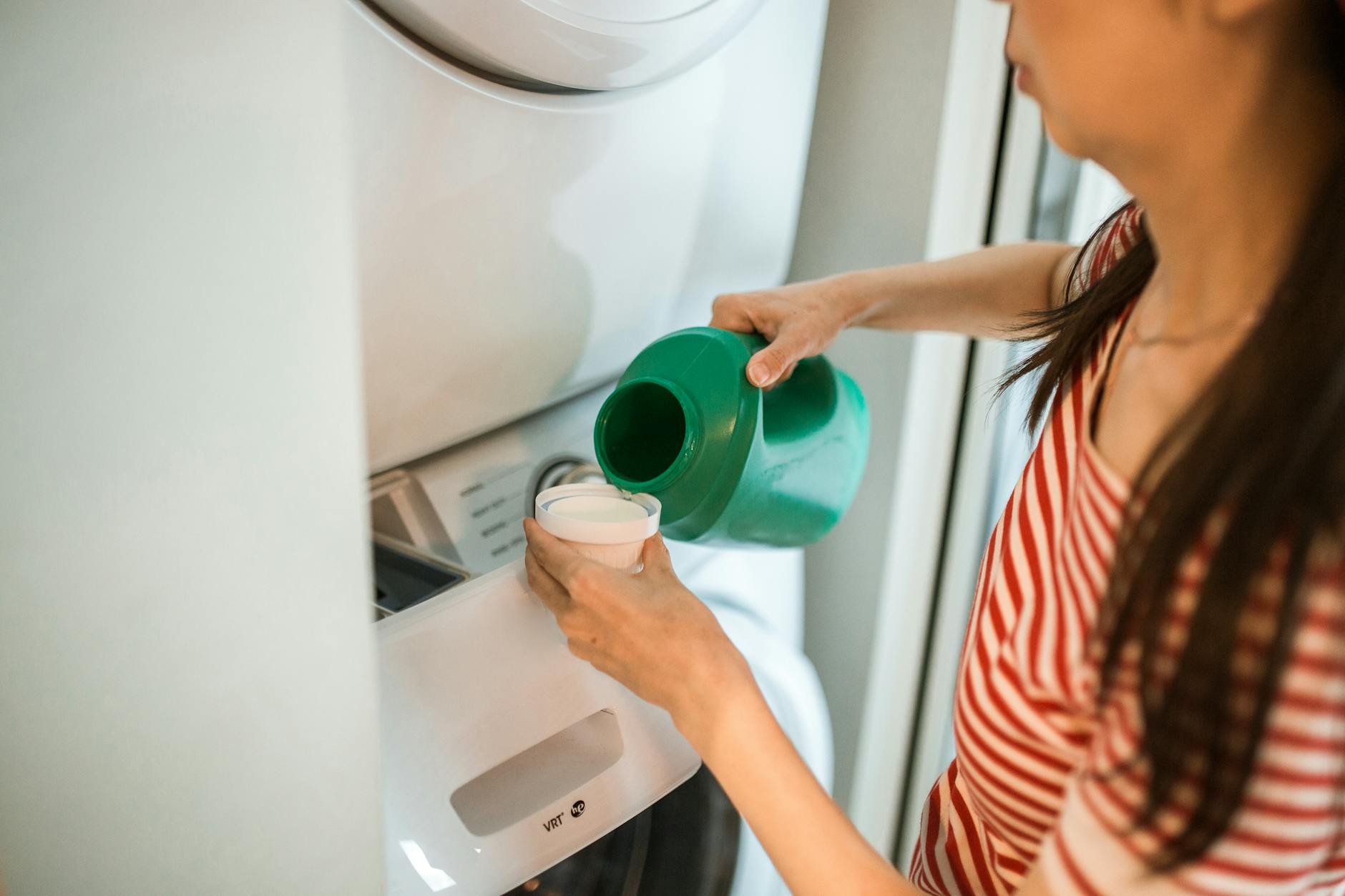
The practical solution begins with understanding the differences between product categories. Standard grocery store detergents—the bright blue or colorful bottles with strong scents—are formulated for visible cleaning performance and sensory appeal, not skin safety. These often contain 5-15% fragrance by volume, plus optical brighteners, enzymes, and dyes designed to make clothes look and smell “clean.” Dermatologist-recommended alternatives, by contrast, are fragrance-free, dye-free, and often free from enzymes and optical brighteners. Brands like Dreft, All Free Clear, and Seventh Generation Free & Clear are formulated specifically for sensitive skin.
The tradeoff is real: these products sometimes require higher water temperatures or longer wash cycles to achieve the same cleaning power as conventional detergents. They may cost slightly more per load. However, for someone managing acne or other inflammatory skin conditions, this is a worthwhile exchange. The difference in skin clarity within two to three weeks of switching can be dramatic, even without any other changes to skincare or treatment protocols.
Hidden Irritants in “Gentle” and “Hypoallergenic” Detergents
A significant pitfall exists in the marketing of “gentle” and “hypoallergenic” products. These terms are largely unregulated. A detergent labeled “gentle” or “hypoallergenic” might still contain fragrance, dyes, and problematic surfactants—the label simply suggests it’s less likely to cause allergic reactions in the general population, not that it won’t irritate acne-prone or sensitive skin. Some “free and clear” formulas sold in mainstream retail still contain dyes or have switched to essential oils instead of synthetic fragrance, which is not actually an improvement for acne-prone skin.
The warning here is essential: read the ingredient list, not the marketing claims on the front of the bottle. Look for the absence of “fragrance,” “perfume,” “essential oils,” “dyes,” “colorants,” and “enzymes.” Even then, some surfactants are harsher than others. Sodium lauryl sulfate (SLS) is a particularly strong surfactant that many people with sensitive skin respond poorly to, while sodium laureth sulfate (SLES) is gentler. For acne sufferers, a detergent with plant-based or gentler surfactants is preferable. This level of scrutiny might seem excessive, but for someone dealing with persistent acne, identifying and removing environmental irritants can mean the difference between clear skin and years of ongoing inflammation.
The Role of Fabric Softeners and Dryer Sheets
Fabric softeners and dryer sheets compound the laundry detergent problem. These products are essentially wax and fragrance compounds designed to coat fibers and reduce static. For acne-prone skin, they’re nearly as problematic as the detergent itself—sometimes more so, because they’re designed to persist through the drying cycle and remain on fabric indefinitely. A person might switch to a gentle detergent but continue using a heavily fragranced dryer sheet, negating the benefit.
An example illustrates this: someone with back and shoulder acne switches to fragrance-free detergent and notices improvement within two weeks. They continue using their favorite scented dryer sheets, however, unaware that these sheets are coating their clothes with fragrance compounds. Their acne improvement plateaus after a few weeks, and they’re left confused about why the detergent change didn’t resolve the issue completely. Once they eliminate the dryer sheets—switching to wool balls or unscented alternatives—the acne clears further. The complete solution requires addressing all layers of product contact, not just one.
Building a Comprehensive Approach to Detergent and Skin Health
Recognizing laundry products as a legitimate factor in acne management represents a broader shift in dermatological thinking. More dermatologists are beginning to ask patients about laundry habits, just as they ask about sun exposure or sleep.
This reflects a growing understanding that skin health is multifactorial and that even small, seemingly irrelevant exposures can accumulate into meaningful harm. Looking forward, the conversation about detergent ingredients will likely become more prominent in dermatological practice, particularly as more patients and practitioners connect the dots between environmental irritants and persistent inflammatory skin conditions. For now, anyone managing acne—whether through prescription treatment, topical retinoids, or lifestyle changes—should view their laundry detergent as a potential treatment variable, not an irrelevant household product.
Conclusion
The fact that dermatologists often overlook laundry detergent as a significant skin irritant highlights an important gap in comprehensive acne and skin health management. Fragrant surfactants, dyes, and chemical compounds in standard detergents can directly interfere with acne treatment and perpetuate inflammation, particularly in people with already compromised or acne-prone skin. This is especially true for those sleeping on detergent-residue-laden bedsheets or wearing clothes that trigger irritation in acne-prone areas.
The solution is practical and immediate: switch to fragrance-free, dye-free detergent free of enzymes and optical brighteners, eliminate fabric softeners and scented dryer sheets, and observe your skin’s response over two to three weeks. For many people, this single change produces measurable improvement in acne severity without additional medication or treatment modifications. If you’re struggling with acne that feels resistant to conventional treatment, addressing your laundry routine is a simple, evidence-based intervention worth trying before escalating your skincare regimen.
Frequently Asked Questions
Can laundry detergent actually cause acne, or does it just aggravate existing acne?
Detergent is more accurately described as an aggravating factor than a primary cause of acne. However, for someone genetically predisposed to acne, detergent irritation can push borderline skin into active breakouts. It worsens existing acne by increasing inflammation and irritating the barrier function.
How long does it take to see improvement after switching detergents?
Most people notice visible improvement within two to three weeks of switching to a gentle, fragrance-free formula. The timeline depends on how much residual detergent was on fabric and how reactive an individual’s skin is to irritants. Some notice changes within days, while others require several weeks.
Are expensive detergents better than cheap ones for acne-prone skin?
Price is not a reliable indicator of safety for acne-prone skin. The key variables are the absence of fragrance, dyes, enzymes, and optical brighteners—not the brand name or price point. Dreft and All Free Clear are budget-friendly options; specialty brands cost more but don’t necessarily perform better for this purpose.
Should I use hot water when washing clothes if I’m dealing with acne?
Hot water may help remove detergent residue more effectively than cold water, but it can also damage delicate fabrics and increase energy consumption. A middle-ground approach is warm water with a longer wash cycle using a gentle detergent. Some people find that an extra rinse cycle helps even more than temperature changes.
Can switching detergent interact with acne medications?
Switching to a gentler detergent doesn’t interact with acne medications in the pharmacological sense. However, removing irritation can change your skin’s overall response to treatment. Some people find they can tolerate stronger medications more comfortably, while others find their skin clears faster once the irritant is removed.
What should I do with clothes washed in fragrant detergent before I switched?
Wash them again in the new fragrance-free detergent, ideally with an extra rinse cycle. However, recognize that severely fragrant items (like towels or bedsheets that have absorbed lots of scent) may take multiple washes to clear completely. You can speed this by washing these items more frequently for the first few weeks.
You Might Also Like
- At Least 48% of People With Acne Scars Would Benefit From Knowing That Their Laundry Detergent Could Be Irritating Their Skin
- At Least 60% of People Who Pick at Their Skin Don’t Realize That Acne Around the Mouth May Actually Be Perioral Dermatitis
- At Least 72% of People Who Pick at Their Skin Have Tried Niacinamide Reduces Sebum Production by 23% at 5% Concentration