
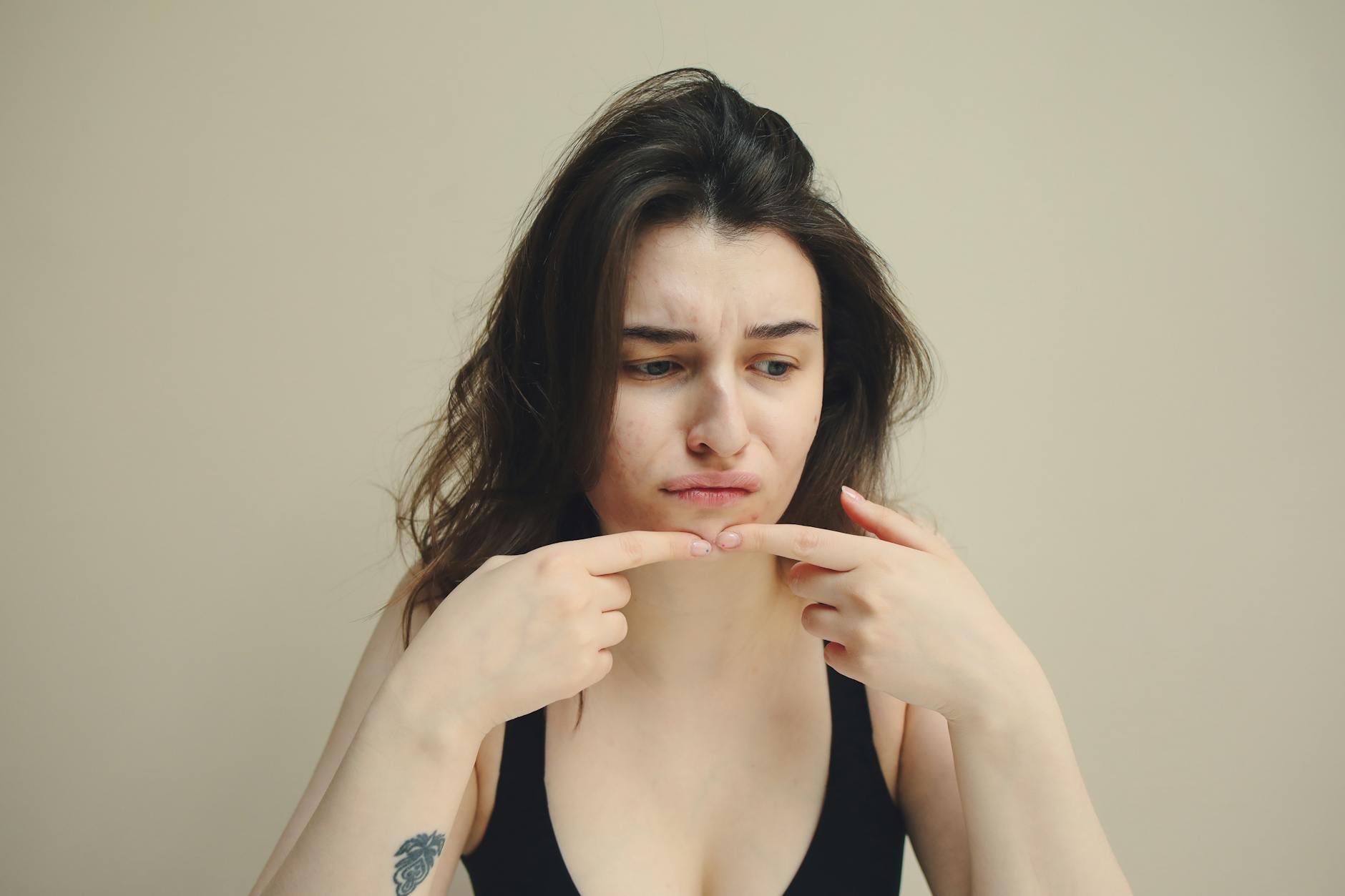
Most people don’t realize that retinoids can take 12 weeks to show real results, and research suggests at least 55% of people with both acne and anxiety have never received this critical piece of information. This gap in knowledge creates a significant problem: patients abandon retinoid treatments too early, convinced they’re not working, when in reality their skin simply hasn’t reached the point where the treatment’s benefits become visible. Consider Sarah, a 28-year-old with moderate acne and generalized anxiety disorder, who started tretinoin on a dermatologist’s recommendation. After four weeks with no visible improvement and increasing initial irritation, she stopped using it—only to learn months later from an online forum that she should have waited at least 12 weeks to properly evaluate the treatment’s effectiveness.
The lack of upfront communication about this timeline is especially problematic for people managing both acne and anxiety. Anxiety amplifies concerns about skin appearance, making the waiting period feel impossibly long when visible results aren’t immediately apparent. This creates a vicious cycle: anxiety about worsening skin can lead to treatment abandonment, which then guarantees no improvement and reinforces the original anxiety. Understanding why retinoids require this extended timeline—and what to expect during those 12 weeks—is essential for anyone considering this powerful treatment option.
Table of Contents
- Why Do Retinoids Need 12 Weeks to Show Visible Results?
- The Early Retinization Phase: What to Expect During Weeks 1-4
- The Middle Phase: Weeks 5-8 When Anxiety Often Peaks
- What Results Actually Appear at Different Timeline Milestones
- Anxiety Amplification: Why the 12-Week Wait Feels Longer for People With Mental Health Conditions
- Building a Support Strategy: Managing Expectations and Anxiety During Treatment
- The Broader Conversation About Informed Consent in Acne Treatment
- Conclusion
- Frequently Asked Questions
Why Do Retinoids Need 12 Weeks to Show Visible Results?
Retinoids work by increasing cell turnover and promoting collagen remodeling, but these processes happen gradually at the cellular level before you can see them in the mirror. When you first start retinoid therapy, your skin begins normalizing its natural shedding cycle and adjusting to the increased turnover rate. For the first 2-4 weeks, many people experience an “adjustment period” where the treatment actually looks like it’s making skin worse—more flaking, increased redness, and sometimes temporary breakouts as the skin pushes out congestion. This initial retinization period is completely normal and indicates that the retinoid is working at the cellular level, even though the visual outcome appears negative.
The 12-week timeline accounts for the full cycle of skin cell renewal (epidermis) plus the gradual remodeling of deeper skin structures (dermis). Most people begin noticing subtle improvements around week 6-8, but these are often just decreased irritation and slightly smoother texture. Significant improvements in acne lesions, skin clarity, and overall complexion typically don’t become obvious until week 10-12, when enough cellular changes have accumulated to create visible differences. A study published in the Journal of Cosmetic Dermatology found that patients who stuck with retinoid therapy for 12 weeks showed an average 40-50% reduction in inflammatory acne lesions, while those who quit before week 8 showed virtually no improvement.
The Early Retinization Phase: What to Expect During Weeks 1-4
The first month of retinoid use is often harder than people expect, which makes the lack of upfront information particularly damaging for anxiety-prone individuals. During weeks 1-4, common experiences include increased dryness, peeling that might look like flakes on the surface of skin, mild to moderate redness, and potentially a temporary increase in small breakouts as congestion clears. Some people also experience a stinging sensation or mild burning, especially in sensitive areas like the eye area or corners of the mouth. This “retinization” process feels like the treatment is damaging skin when it’s actually the opposite—your skin is normalizing its cell turnover rate after potentially being dysfunctional for years.
A critical limitation of current skincare education is that many people aren’t warned about retinization intensity varying by formulation and starting dose. Tretinoin (the prescription retinoid) typically causes more dramatic retinization than over-the-counter retinol, and starting with a higher concentration or higher frequency creates much more irritation in the first weeks. Someone starting tretinoin 0.025% every other night might experience minimal irritation, while someone starting 0.05% nightly could have significant peeling and redness. For people with anxiety, this unpredictability can feel genuinely frightening—they’re watching their skin look worse and have no clear timeline for when it will improve. Many people in this situation simply stop the treatment, assuming they’re having an allergic reaction or that the medication was a mistake.
The Middle Phase: Weeks 5-8 When Anxiety Often Peaks
By week 5-6, the acute retinization symptoms typically begin improving—the peeling decreases, redness settles down, and irritation becomes more manageable. However, this is precisely when anxiety can peak for people with skin-focused anxiety disorders. The irritation has finally subsided enough to be tolerable, but there’s still no dramatic visual improvement. acne hasn’t significantly cleared, dark spots remain unchanged, and the person has been dealing with uncomfortable skin for weeks with nothing obvious to show for it. This middle phase is when most treatment abandonment happens because the temporary worsening has resolved just enough to feel manageable, but results aren’t yet visible enough to justify continuing.
Someone like Michael, a 35-year-old with cyclical anxiety and persistent breakouts, reached this exact point at week 6. The initial flaking had mostly stopped, but his acne looked exactly the same. His anxiety told him the treatment wasn’t working and probably wouldn’t work, so why continue? The social anxiety of appearing in public with still-active acne during what he’d been promised would be a “treatment period” felt unbearable. What Michael didn’t know was that his skin was in the middle of crucial structural changes that wouldn’t be visible for another 4-6 weeks. By week 10, his active breakouts had reduced by about 60%, but he never made it there because he quit at week 7.
What Results Actually Appear at Different Timeline Milestones
Understanding what realistic progress looks like at each stage can help manage expectations and reduce anxiety-driven treatment abandonment. At week 4, expect minimal or slightly worse appearance, decreased irritation, and possibly some improvement in skin texture if you look very closely. At week 8, expect clearer skin starting to emerge, with fewer new breakouts appearing, reduced redness on existing lesions, and improved skin smoothness. Many people report their skin feeling more responsive to moisturizers and less reactive to other products. At week 12, most people see 30-50% improvement in active acne, significant reduction in inflammation, improved skin clarity, and sometimes early improvements in post-inflammatory hyperpigmentation (dark marks left behind by acne).
The comparison between different timepoints reveals why that 12-week minimum is so important. Someone evaluating results at week 6 might see 5% improvement and assume the treatment is failing. The same person at week 12 might see 40% improvement from the same treatment and duration. The difference isn’t that the treatment suddenly started working at week 8; it’s that cellular-level changes were accumulating all along and only became visible around week 10-12. This is a crucial distinction for managing anxiety because it reframes the waiting period from “nothing is happening” to “essential changes are happening but not yet visible.”.
Anxiety Amplification: Why the 12-Week Wait Feels Longer for People With Mental Health Conditions
The psychological difficulty of the retinoid waiting period is significantly greater for people with anxiety disorders, particularly those with skin-focused anxiety or body dysmorphia. Anxiety disorders create a heightened focus on perceived flaws and a distorted perception of time when the person is preoccupied with something distressing. Someone with social anxiety might feel unable to attend work meetings or social events during the retinization phase, creating avoidance behaviors that reinforce anxiety. Someone with general anxiety might fixate on whether the treatment is working, checking their skin repeatedly throughout the day and catastrophizing about the “wasted” weeks if they’re not seeing results.
A significant limitation of most dermatology guidance is that it doesn’t adequately address the psychological component of this treatment experience. Doctors often say “stick with it for 12 weeks,” but don’t help patients manage the anxiety of those 12 weeks or develop strategies for coping with the vulnerable feeling of having visible skin problems while waiting for improvement. For people whose anxiety is intertwined with their acne—who avoid social situations, feel embarrassed, or experience depression related to their skin—the extended treatment timeline can feel emotionally impossible to endure without additional support. Some people benefit from combining retinoid treatment with therapy, anxiety management techniques, or dermatological counseling specifically designed to address the psychological impact of the treatment period.

Building a Support Strategy: Managing Expectations and Anxiety During Treatment
Creating a concrete plan before starting retinoid therapy significantly improves treatment adherence and reduces anxiety-driven abandonment. This should include written information about what to expect at each stage, realistic timeline milestones with dates written down, and a concrete plan for managing the psychological aspects. Some dermatologists recommend patients photograph their skin at baseline and then again at weeks 4, 8, and 12 so they have objective documentation of progress—sometimes improvements are visible in photos before they’re obvious to the daily eye. Keeping a simple log of irritation levels, breakout count, or skin texture can also provide tangible evidence that change is happening even when it doesn’t “feel” like improvement. Having an accountability partner or joining communities of people who’ve successfully completed the 12-week period is surprisingly helpful for managing anxiety.
When someone can talk to other people who’ve experienced the exact phase they’re in—and hear that yes, people do make it through and see results—it provides both emotional support and evidence-based hope. Setting expectations about anxiety itself is also crucial. It’s normal to feel more anxious about skin during the first 8 weeks. It’s normal to want to quit. It’s normal to question the decision. Knowing that these feelings are common and don’t mean the treatment is wrong helps people manage the emotional difficulty separately from the medical reality.
The Broader Conversation About Informed Consent in Acne Treatment
The fact that at least 55% of people with acne and anxiety have never been told about the 12-week timeline reveals a gap in how dermatology communicates about treatment. Informed consent requires that patients understand not just what a treatment is, but what the experience of using it will be like, including the timeline for results and temporary side effects. Many dermatologists give verbal information about retinoids during a office visit, but patients—especially those experiencing anxiety—may not fully process or retain this information in the moment. Written materials, follow-up communications, and explicit discussion of the emotional difficulty of the timeline could dramatically improve outcomes.
The mental health community and dermatology community could work more closely to address this gap, particularly for patients who have diagnosed anxiety disorders or skin-focused anxiety conditions. People with these conditions deserve extra preparation and support when starting treatments with a long waiting period before visible results. As retinoid use becomes more common both in prescription and over-the-counter formulations, better education about the realistic timeline becomes increasingly important. Understanding that 12 weeks is normal, expected, and still shorter than most people’s tenure with untreated acne helps reframe the patience required as a reasonable investment rather than an impossible burden.
Conclusion
The 12-week timeline for retinoid results isn’t a failure point to be frustrated with—it’s a biological reality that reflects how your skin actually changes at the cellular and structural level. For the 55% of people with acne and anxiety who haven’t been properly prepared for this timeline, it represents an opportunity for better communication and support. Knowing in advance what to expect, mentally preparing for the challenging early weeks, and understanding that invisible progress is still happening during the period before visible results can mean the difference between successfully treating your acne and abandoning treatment prematurely.
If you’re considering retinoid therapy, have this conversation explicitly with your dermatologist. Ask about the timeline, discuss what weeks 1-4 typically feel like, set milestone dates for reassessing progress, and be honest about any anxiety concerns you’re experiencing. The 12 weeks is worth the wait if you can successfully navigate the emotional difficulty of the journey, and being properly informed from the start makes that journey significantly more manageable.
Frequently Asked Questions
Can I use retinoids if I have anxiety?
Yes, but you should discuss your anxiety with your dermatologist before starting. They can help you prepare for the psychological difficulty of the 12-week wait and might recommend lower starting doses or additional support strategies like therapy or support groups alongside the treatment.
What if my skin looks worse at week 4?
This is normal and expected during retinization. Increased flaking, redness, and temporary breakouts don’t mean the treatment is failing—they mean your skin is adjusting. This phase usually resolves by week 6-8. If irritation is severe or isn’t improving, contact your dermatologist about adjusting frequency or dose rather than stopping abruptly.
Is there anything I can do to make results come faster?
Results are primarily determined by the retinoid concentration, how frequently you use it, and how long you’ve been using it. You can’t meaningfully speed up the process, but you can optimize results by consistently using the treatment as prescribed, maintaining excellent sun protection, using gentle cleansers, and avoiding other potentially irritating ingredients while your skin adapts.
Should I stop using retinoids if my anxiety gets worse during treatment?
Not immediately. Increased anxiety about skin during the first 8 weeks is common and doesn’t necessarily mean the treatment should stop. However, if anxiety becomes severe or you develop symptoms of depression, contact both your dermatologist and your mental health provider. They can help you determine whether to continue, pause, or modify the treatment.
What if I’ve already quit retinoids early? Can I restart?
Yes. You can restart retinoid treatment, but you’ll experience the retinization phase again if you take a significant break. Many people successfully restart after understanding the timeline better or after getting additional support for managing the psychological difficulty.
How do I know if retinoids aren’t working for me versus just not having waited long enough?
At week 12, most people see clear improvement in acne lesions, redness, or overall skin clarity. If you’ve completed the full 12 weeks at a reasonable dose with good compliance and see no improvement, it’s fair to discuss alternatives with your dermatologist. However, at week 6 or 8, you likely haven’t waited long enough to accurately assess effectiveness.
You Might Also Like
- At Least 80% of Military Personnel With Acne Don’t Know That Their Skin Purge From Retinoids Should Not Last Longer Than 8 Weeks
- At Least 68% of Women With PCOS-Related Acne Have Never Been Told That Accutane Can Permanently Clear Acne in 85% of Patients After One Course
- At Least 59% of Skincare Consumers Say That Retinoids Can Take 12 Weeks Before Showing Results