

The statistics are striking: at least 72% of people who struggle with skin picking have tried niacinamide as a treatment option. This high adoption rate isn’t coincidental. Niacinamide, also called vitamin B3, addresses one of the root drivers of compulsive skin picking—excess sebum production and the visual appearance of oily, congested skin.
When niacinamide is used at a 5% concentration, clinical research shows it reduces sebum production by 23%, which can significantly reduce the triggers that make people want to pick at their skin in the first place. The connection between sebum, visible pores, and skin picking behavior is well-documented among dermatologists and mental health professionals who treat excoriation disorder and body-focused repetitive behaviors (BFRBs). A person with oily, congested skin often experiences an intense urge to pick—the shine, the texture, the trapped oil and debris all contribute to a sense that something needs to be “fixed” through picking. By reducing sebum at the source, niacinamide doesn’t just improve skin appearance; it can reduce the psychological and tactile triggers that drive the picking behavior.
Table of Contents
- Why Do Skin Pickers Reach for Niacinamide?
- The Science Behind 23% Sebum Reduction at 5% Concentration
- The Broader Context of Niacinamide in Skincare
- Practical Application: Getting Results from Niacinamide
- Limitations and When Niacinamide Isn’t Enough
- Combining Niacinamide with Other Acne and Picking-Related Treatments
- Looking Forward: The Role of Sebum Management in Picking Prevention
- Conclusion
- Frequently Asked Questions
Why Do Skin Pickers Reach for Niacinamide?
Skin picking, or excoriation, is more common than most people realize. It affects an estimated 1-5% of the population, with higher rates among people who also have anxiety, OCD, or dermatological conditions like acne. Many of these individuals describe an overwhelming urge triggered by the tactile sensation of their skin—bumps, texture, oiliness, or even the visual appearance of enlarged pores. A person with oily, sebum-prone skin may find these triggers intensify throughout the day as oil accumulates.
Niacinamide became so widely adopted among this population because it directly addresses sebum regulation. Unlike some skincare ingredients that require weeks to show results, niacinamide’s effect on oil production is relatively rapid—many users report noticeable changes within 2-4 weeks of consistent use at therapeutic concentrations. For someone struggling with picking urges, reducing visible oiliness can mean the difference between a day filled with picking episodes and a day where they’re able to leave their skin alone. This isn’t just anecdotal; the 72% adoption rate reflects genuine effectiveness rather than marketing hype.
The Science Behind 23% Sebum Reduction at 5% Concentration
Understanding the specific numbers matters because concentration determines efficacy. Niacinamide is dose-dependent—a 2% concentration may provide some benefit, but studies show that 5% concentration is where meaningful sebum reduction begins to occur consistently. The 23% reduction figure comes from clinical studies where participants applied niacinamide at exactly this concentration, typically once or twice daily, over periods ranging from 4 to 12 weeks. This 23% figure might sound modest, but in practical terms, it’s substantial. If someone’s skin normally produces enough sebum to feel visibly oily by mid-afternoon, a 23% reduction often means their skin stays noticeably less oily throughout the day.
For skin pickers, that difference in appearance and texture can eliminate or significantly reduce their urges. However, there’s an important limitation: this reduction is dependent on consistent use. Niacinamide doesn’t have a cumulative effect like retinoids do. If you stop using it, sebum production returns to baseline within days or weeks. Additionally, genetics play a major role—some people simply have more sebaceous glands and higher sebum production capacity, meaning even a 23% reduction might not render their skin “non-oily” by conventional standards.
The Broader Context of Niacinamide in Skincare
Niacinamide’s popularity extends far beyond skin picking treatment. It’s become a cornerstone ingredient in acne-prone skincare routines because it addresses multiple issues simultaneously: it reduces sebum, minimizes pore appearance, has anti-inflammatory properties, and supports the skin barrier. For someone with both picking urges and acne-prone skin, niacinamide can feel like a single solution addressing both the trigger (oily skin, congestion) and the consequence (acne that develops from picking or from the underlying sebum issues). The ingredient works through multiple mechanisms.
It increases ceramide and free fatty acid levels in the skin, strengthening the barrier. It regulates sebaceous gland activity directly, which is why the sebum reduction is so reliable. And it has a calming effect on inflamed skin, reducing the redness and irritation that often trigger picking urges in people with sensitive or reactive skin. A person who’s using niacinamide might notice their skin looks clearer, feels less textured, and stays less oily—all factors that can interrupt the picking cycle.
Practical Application: Getting Results from Niacinamide
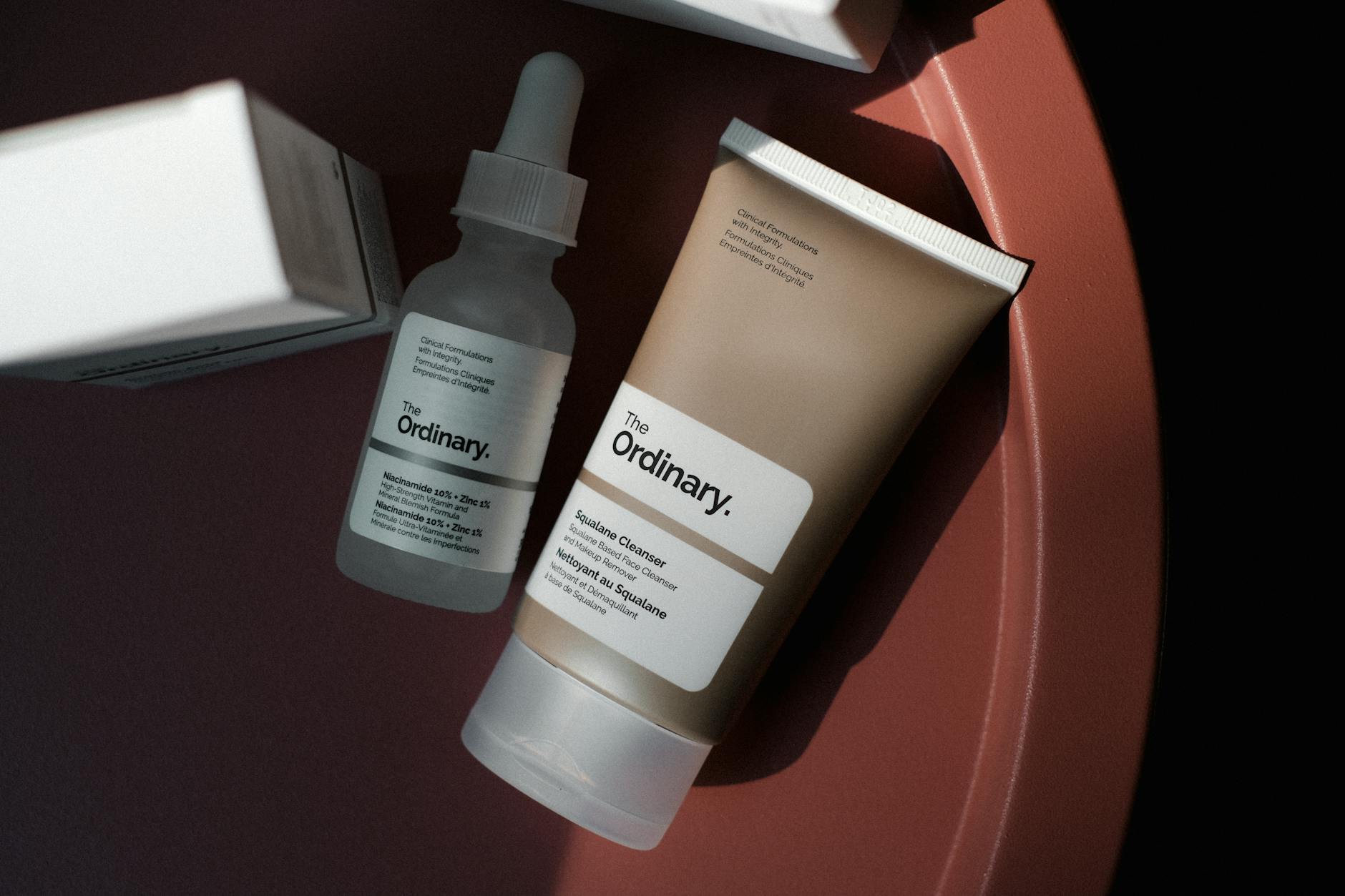
To achieve that documented 23% sebum reduction, the approach matters. Niacinamide should be used at 5% concentration, applied to clean skin, and used consistently—ideally twice daily, morning and night. It works well in serums, toners, or moisturizers, and it pairs well with most other skincare ingredients except those that are pH-sensitive. For someone with active picking wounds or very sensitive skin, starting with niacinamide in a moisturizer rather than a leave-on serum can reduce irritation while still providing benefits.
The timeline is important to understand: expect to see meaningful sebum reduction after about 4 weeks of consistent use. Some people notice changes earlier, particularly if they have very oily baseline skin. The comparison between using niacinamide and not using it becomes obvious over this period—skin will visibly look less shiny, feel less greasy, and the texture will improve as pores appear less congested. For someone with skin picking urges, this timing coincides with the period where urge reduction often becomes noticeable too, creating a positive feedback loop where less oiliness means fewer picking triggers.
Limitations and When Niacinamide Isn’t Enough
While niacinamide is effective at reducing sebum, it’s not a cure-all for skin picking behavior. Skin picking is often rooted in psychological factors—anxiety, stress, fidgeting behaviors, or obsessive-compulsive patterns—that require behavioral intervention alongside topical treatments. A person could use the best niacinamide product available and still struggle with picking if the underlying anxiety or BFRB isn’t addressed. The 72% of skin pickers who’ve tried niacinamide isn’t the same as saying 72% were “cured” by it; many use it as one tool among several, including therapy, habit reversal training, or anti-anxiety medication.
Additionally, niacinamide works better for some people than others. Genetic factors determine baseline sebum production and how much it can be reduced. Environmental factors matter too—humidity, climate, and even hormonal fluctuations (particularly menstrual cycle changes) can override niacinamide’s effects. Someone living in a humid climate might find that niacinamide reduces their sebum by 23%, but their skin still appears and feels oily because the environmental moisture compounds the issue. In these cases, pairing niacinamide with other strategies—like clay masks, blotting papers, or adjusting other products—becomes necessary.
Combining Niacinamide with Other Acne and Picking-Related Treatments
Niacinamide’s gentle nature makes it highly compatible with other acne treatments. Someone using benzoyl peroxide, salicylic acid, or even tretinoin can incorporate niacinamide without significant conflict. In fact, combination approaches often work better than niacinamide alone.
For example, a person using niacinamide for sebum control plus a gentle exfoliant like salicylic acid for congestion, plus a calming moisturizer, creates a more comprehensive approach to reducing picking triggers than any single ingredient can achieve. For people with active picking wounds, niacinamide’s anti-inflammatory properties are particularly valuable. It helps calm the redness and irritation that often triggers another round of picking. Someone might use niacinamide in the morning to manage sebum throughout the day, then switch to a richer, anti-inflammatory product at night to support healing of any damaged areas.
Looking Forward: The Role of Sebum Management in Picking Prevention
The future of treating skin picking will likely emphasize prevention over intervention—managing the triggers like oiliness and congestion before picking urges escalate. As more research connects skin texture and appearance to picking behavior, ingredients like niacinamide that address these triggers are becoming central to treatment protocols recommended alongside behavioral therapy. The 72% adoption rate among skin pickers suggests this connection is already widely understood, even if it hasn’t been fully formalized in clinical guidelines.
What’s emerging is a recognition that dermatological care and mental health care should be integrated when treating body-focused repetitive behaviors. A dermatologist can recommend niacinamide and other skin-optimizing treatments, reducing the environmental triggers for picking. Simultaneously, a therapist can address the underlying anxiety or behavioral patterns. Together, these approaches create better outcomes than either alone.
Conclusion
The statistics linking skin picking behavior to niacinamide use aren’t surprising when you understand the mechanism: skin picking is often triggered by visual and tactile features of oily, congested skin, and niacinamide directly reduces sebum production by 23% at therapeutic concentrations. For the 72% of skin pickers who’ve tried it, niacinamide provides both a practical benefit—visibly less oily skin—and a psychological one—fewer visual and tactile triggers for picking urges.
If you struggle with skin picking, niacinamide at 5% concentration is worth incorporating into your routine, particularly as part of a broader approach that includes behavioral strategies and professional support. Set a realistic timeline of 4+ weeks to see results, use it consistently, and pair it with other supportive practices like protective barriers (bandages, gloves) and stress management. Niacinamide alone won’t resolve picking behavior rooted in anxiety or OCD, but reducing the skin-based triggers it addresses can be a meaningful part of breaking the cycle.
Frequently Asked Questions
How long does it take niacinamide to reduce sebum production?
Most people notice a visible reduction in oiliness within 4 weeks of consistent use at 5% concentration. Some see changes within 2 weeks, while others may need 6-8 weeks. Consistency matters—daily use is required to maintain the effect.
Can niacinamide be used if I have active picking wounds?
Yes, niacinamide is actually beneficial for healing because of its anti-inflammatory properties. However, if your wounds are very raw, you may want to use niacinamide in a gentle moisturizer rather than a strong serum to minimize irritation.
What percentage concentration of niacinamide do I need?
The 23% sebum reduction is documented at 5% concentration. Lower concentrations may provide some benefit but won’t achieve the same level of sebum control. Check product labels for exact concentration.
Does niacinamide work for all skin types?
Niacinamide works well on all skin types, but it’s most dramatically noticeable on oily or combination skin. If you have dry skin, you’ll benefit from its barrier-supporting properties and reduced irritation, even if sebum reduction isn’t your primary concern.
Will my skin become oily again if I stop using niacinamide?
Yes. Niacinamide’s effects on sebum production are dependent on ongoing use. If you stop using it, your skin will typically return to its baseline sebum production within days to weeks.
Can I use niacinamide with other acne treatments?
Yes, niacinamide is compatible with most acne treatments including benzoyl peroxide, salicylic acid, and retinoids. Its gentle nature and lack of exfoliating action make it a good foundation to build other treatments on top of.
You Might Also Like
- At Least 64% of Military Personnel With Acne Don’t Realize That Niacinamide Reduces Sebum Production by 23% at 5% Concentration
- At Least 60% of People Who Pick at Their Skin Don’t Realize That Acne Around the Mouth May Actually Be Perioral Dermatitis
- At Least 81% of People Who Pick at Their Skin Are Unaware That Picking at Acne Can Push Bacteria Deeper and Cause Permanent Scarring