
Accutane (isotretinoin) is the only acne medication proven to offer permanent clearance in a significant percentage of patients, with clinical studies showing that 85–95% of people achieve complete or near-complete acne clearance by the end of a standard treatment course. This makes it the most powerful tool dermatologists have against severe acne.
However, the relationship between these impressive clearance rates and long-term permanent remission is more nuanced than the statistics suggest, especially when it comes to truncal acne like back acne, which requires special consideration during treatment planning. For example, a 35-year-old man with severe back acne that has resisted topical retinoids, antibiotics, and even spironolactone for years might achieve 90% clearance during his Accutane course, only to experience a 20–30% relapse within five years—a reality that shapes realistic expectations going into treatment. The question of whether Accutane delivers truly permanent results hinges on how you define “permanent.” While the medication can fundamentally reset acne-prone skin in many patients, dermatological research shows that relapse is common enough that patients should understand both the best-case and realistic outcomes before committing to this powerful and demanding treatment.
Table of Contents
- What Accutane’s 85% Clearance Rate Actually Means for Acne Patients
- Why Back Acne Responds Differently to Accutane Than Facial Acne
- The Relapse Reality: How Many Patients Stay Clear Long-Term
- Who Benefits Most From Accutane: Candidacy and Contraindications
- Side Effects and Serious Complications: What to Expect During Treatment
- What to Expect During Your Accutane Treatment Course
- After Accutane: Long-Term Skincare and When Relapse Happens
- Conclusion
What Accutane’s 85% Clearance Rate Actually Means for Acne Patients
When dermatologists cite the 85–95% clearance rate for Accutane, they’re referring to the percentage of patients who have clear or nearly clear skin by the end of their treatment course, typically after 4–6 months of therapy. This is different from saying 85% of patients stay acne-free forever. A 28-year-old woman with moderate to severe acne across her face and chest might reach complete clearance by month five of treatment, only to develop a few small breakouts six months later—technically part of the 10–15% who experience some degree of relapse.
The distinction matters because it affects how patients interpret their own results and whether they consider the treatment successful. The clearance rates are genuinely impressive and represent a dramatic improvement over other systemic treatments like oral antibiotics, which require ongoing use and often lose effectiveness over time. However, these rates describe what happens during active treatment, not what happens in the years that follow. Understanding this difference is crucial for setting realistic expectations and making an informed decision about whether Accutane is right for your situation.

Why Back Acne Responds Differently to Accutane Than Facial Acne
Back acne is notoriously stubborn and responds more slowly to acne treatments than facial acne does—even accutane. Clinical observations from dermatologists show that by the end of month three of Accutane treatment, 20–25% of lesions may still persist on the chest and back, while facial acne often clears much faster. This isn’t a failure of the medication; it reflects the anatomical and physiological differences between facial and truncal skin. The back has more sebaceous glands per square inch, greater skin thickness, and more friction from clothing, all of which contribute to slower clearance.
A 40-year-old man with moderate back acne might have completely clear facial skin by month four while still managing active lesions on his back at month five, which can be psychologically frustrating even though the medication is working as intended. This slower clearance on the trunk is important to understand going into treatment because it can affect your timeline for seeing results and your overall satisfaction with the outcome. If back acne is your primary concern, you should discuss realistic timelines with your dermatologist and prepare for the possibility that your back may take longer to achieve the same level of clearance as your face. The good news is that Accutane does eventually clear truncal acne in the vast majority of patients—it simply requires patience and continued treatment past the point where facial acne may have already resolved.
The Relapse Reality: How Many Patients Stay Clear Long-Term
Here’s the part of Accutane’s story that doesn’t always make it into marketing materials: approximately 75–80% of patients remain acne-free for years after completing treatment, but this means 20–25% experience some degree of relapse. Recent data from 2025 cohort studies found that about 22.5% of patients experience relapse significant enough to warrant treatment, and approximately 8.2% eventually require a second course of Accutane. This isn’t a small percentage, and it matters for long-term planning.
A 32-year-old woman who successfully cleared severe acne on her first Accutane course might wake up three years later to notice small breakouts returning, forcing her to decide whether to return for another round of this demanding treatment or pursue alternative management strategies. The relapse rate varies based on factors that dermatologists are still working to fully understand, including the severity of the original acne, your cumulative dose of isotretinoin during treatment, genetics, hormonal factors, and environmental triggers. While some patients do achieve permanent clearance and never see a pimple again, others experience recurring acne that requires ongoing management. This is why informed consent and realistic goal-setting are so important before starting Accutane—you’re investing months of your life in a treatment that works for most people but not necessarily forever for everyone.
Who Benefits Most From Accutane: Candidacy and Contraindications
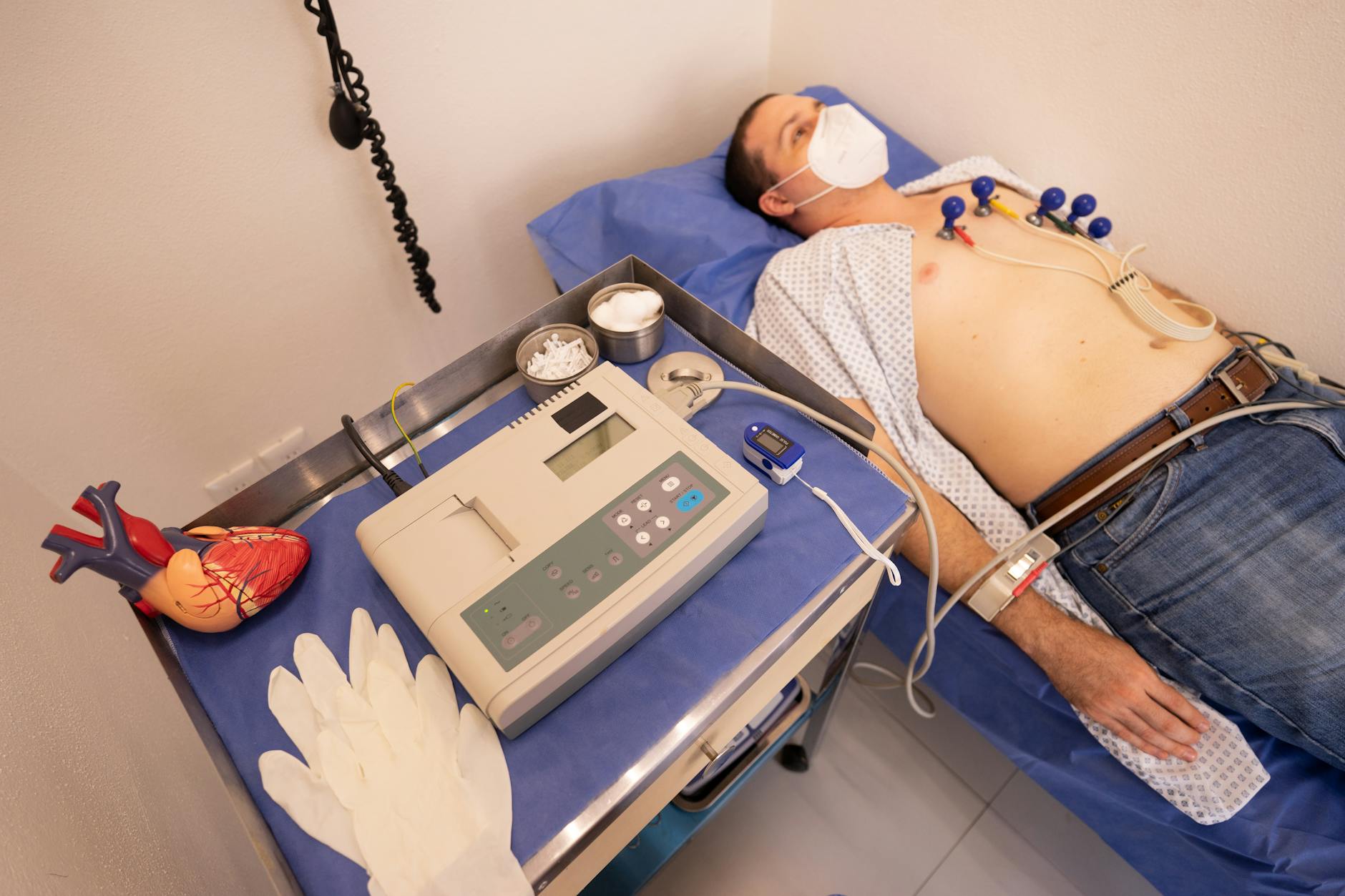
Accutane is reserved for severe acne that hasn’t responded to conventional treatments—typically defined as nodulocystic acne, acne with significant scarring potential, or acne that causes significant psychological distress. It’s not prescribed for mild to moderate acne because the medication carries a substantial risk profile, including severe birth defects if used during pregnancy, potential liver damage, increased triglycerides, and psychiatric effects in some patients. Your dermatologist will require monthly pregnancy tests (if female), regular blood work to monitor liver function and lipids, and enrollment in the iPLEDGE program, which tracks every prescription and refill in a centralized database. A 26-year-old woman with hormonal back acne that flares with her menstrual cycle might be a poor candidate for Accutane if she hasn’t first tried hormonal contraceptives or spironolactone, which carry fewer risks and can be equally effective for this specific type of acne.
The decision to pursue Accutane should balance the severity of your acne against the time commitment, medical monitoring, and potential side effects. For someone with cystic acne that has caused permanent scarring and has failed multiple treatment approaches, Accutane is life-changing. For someone with moderate acne that responds to retinoids and benzoyl peroxide, it’s probably unnecessary risk. This is where honest conversation with your dermatologist about your specific situation, goals, and risk tolerance becomes essential.
Side Effects and Serious Complications: What to Expect During Treatment
The side effects of Accutane are not minor inconveniences—they’re real medical effects that you’ll experience every day for months. Severe dry skin affecting your face, lips, eyes, and entire body is nearly universal and requires consistent management with moisturizers and lip balms. Some patients develop photosensitivity, making sun protection non-negotiable. Joint and muscle pain affects approximately 15% of patients, sometimes severely enough to interfere with exercise.
Elevated liver enzymes occur in about 15–20% of patients, though serious liver damage is rare. More concerning are the psychiatric effects: depression, anxiety, and suicidal ideation have been reported, and while the exact connection remains debated, the iPLEDGE program requires you to be screened for psychiatric risk and monitored throughout treatment. A 22-year-old man starting Accutane for severe back acne needs to know that he might experience mood changes, that his skin will be intensely dry, that he needs to use sun protection daily, and that he’ll have monthly doctor visits and blood draws for the entire duration of treatment. These side effects are manageable for most patients, but they require planning, commitment, and honest self-monitoring. If you have a history of depression or anxiety, this is especially important to discuss with your dermatologist before starting treatment, as some research suggests increased psychiatric risk in certain populations.

What to Expect During Your Accutane Treatment Course
Most Accutane treatment courses last 15–20 weeks, though some patients require longer. You’ll start at a low dose, typically 0.5–1 mg/kg of body weight daily, and gradually increase to a target dose of around 0.8–1 mg/kg daily, aiming for a total cumulative dose of 120–150 mg/kg by the end of treatment. A 70-kg man might start at 35–70 mg daily and work up to 56–70 mg daily over the course of treatment. Many patients notice some initial worsening of acne in the first 4–8 weeks—a phenomenon called “retinization” or the “Accutane purge”—before clearance begins.
This can be psychologically difficult, as you’re committing to months of intensive treatment while your skin initially seems to get worse. However, this temporary worsening is common and typically resolves as your skin adapts. By month three or four, most patients see significant improvement on facial acne, with trunk acne following behind. By the end of treatment, 85–95% of patients have clear or nearly clear skin. After treatment ends, your skin continues to improve for several months, and you’ll likely see your best results 2–3 months post-treatment.
After Accutane: Long-Term Skincare and When Relapse Happens
After you finish your Accutane course, your skincare routine becomes important for maintaining your results and managing the continued dryness that can persist for months post-treatment. Many dermatologists recommend continuing a gentle skincare regimen with moisturizers, sunscreen, and a mild cleanser.
If you do experience relapse—small breakouts returning months or years later—your options include returning to conventional treatments like topical retinoids and benzoyl peroxide, which often work better on previously treated skin, or considering a second course of Accutane if the relapse is severe enough to warrant it. Some patients who experience relapse find that lower doses of Accutane taken for longer periods might be effective, though this approach requires discussion with your dermatologist. The long-term outlook for most Accutane patients is positive: even those who experience minor relapse often find that their acne is more manageable and less severe than it was before treatment, and many maintain clear or nearly clear skin with minimal intervention for years afterward.
Conclusion
Accutane represents a powerful option for severe acne, with clinical evidence showing that 85–95% of patients achieve clear or nearly clear skin by the end of treatment. However, the path to this result requires months of commitment to medical monitoring, management of significant side effects, and realistic understanding that permanent clearance isn’t guaranteed—approximately 20–25% of patients experience some relapse within five years. Back acne, in particular, responds more slowly than facial acne and may require extended treatment or additional patience to achieve the same level of clearance.
For patients with severe, treatment-resistant acne that has caused scarring or significant psychological distress, the benefits typically far outweigh the drawbacks. The decision to pursue Accutane should be made in partnership with a dermatologist who understands your specific situation, your goals, and your ability to commit to the monitoring and side effect management that this medication requires. If you’re considering Accutane, use this information as a starting point for an honest conversation with your dermatologist about whether it’s the right choice for you and what realistic outcomes you can expect in both the short and long term.
You Might Also Like
- At Least 51% of People With Sensitive Acne-Prone Skin Don’t Realize That Accutane Can Permanently Clear Acne in 85% of Patients After One Course
- At Least 45% of Women Over 40 With Acne Report That Hard Water Mineral Deposits Can Clog Pores and Worsen Acne
- At Least 19% of Patients With Body Acne Don’t Realize That Their Morning Routine Should Include SPF Even on Cloudy Days