

Most people struggling with acne focus on topical treatments—cleansers, serums, and spot treatments—without realizing that their dietary choices may be fueling breakouts from the inside. The connection between high-glycemic foods and acne is well-established in dermatological research, yet many individuals with sensitive, acne-prone skin remain unaware that eating white bread, sugary snacks, or soda directly triggers an insulin spike that increases their body’s production of androgens, hormones that stimulate sebaceous glands to produce more oil. This physiological chain reaction—carbohydrates spike blood sugar, insulin rises, androgens increase, sebum production escalates—is one of the most overlooked drivers of persistent acne, particularly for people whose skin is already primed to break out. Consider someone who experiences constant breakouts despite using prescription-strength acne medication and following a rigorous skincare routine.
They may not connect their daily breakfast of sugary cereal and orange juice, their afternoon vending machine candy, or their weekend pizza binges to the inflamed cysts appearing on their chin and jawline. Without understanding this metabolic link, they’ll continue cycling through acne treatments while the underlying dietary trigger remains unaddressed, making their acne harder to control and prolonging their struggle. The science backing this connection is substantial. Research has consistently shown that diet plays a meaningful role in acne development, with high-glycemic foods emerging as a significant culprit that deserves as much attention as skincare ingredients and hormonal factors.
Table of Contents
- How High-Glycemic Foods Trigger the Insulin-Oil Production Cycle
- The Hidden Mechanism: Insulin’s Role in Sebum Overproduction
- The Awareness Gap: Why Many People Don’t Know About This Connection
- Shifting to a Low-Glycemic Diet: Practical Implementation and Results
- Individual Variation and the Limits of Dietary Intervention
- The Dairy and Iodine Consideration: Related Dietary Factors in Acne
- The Future of Diet-Based Acne Management and Personalized Approaches
- Conclusion
How High-Glycemic Foods Trigger the Insulin-Oil Production Cycle
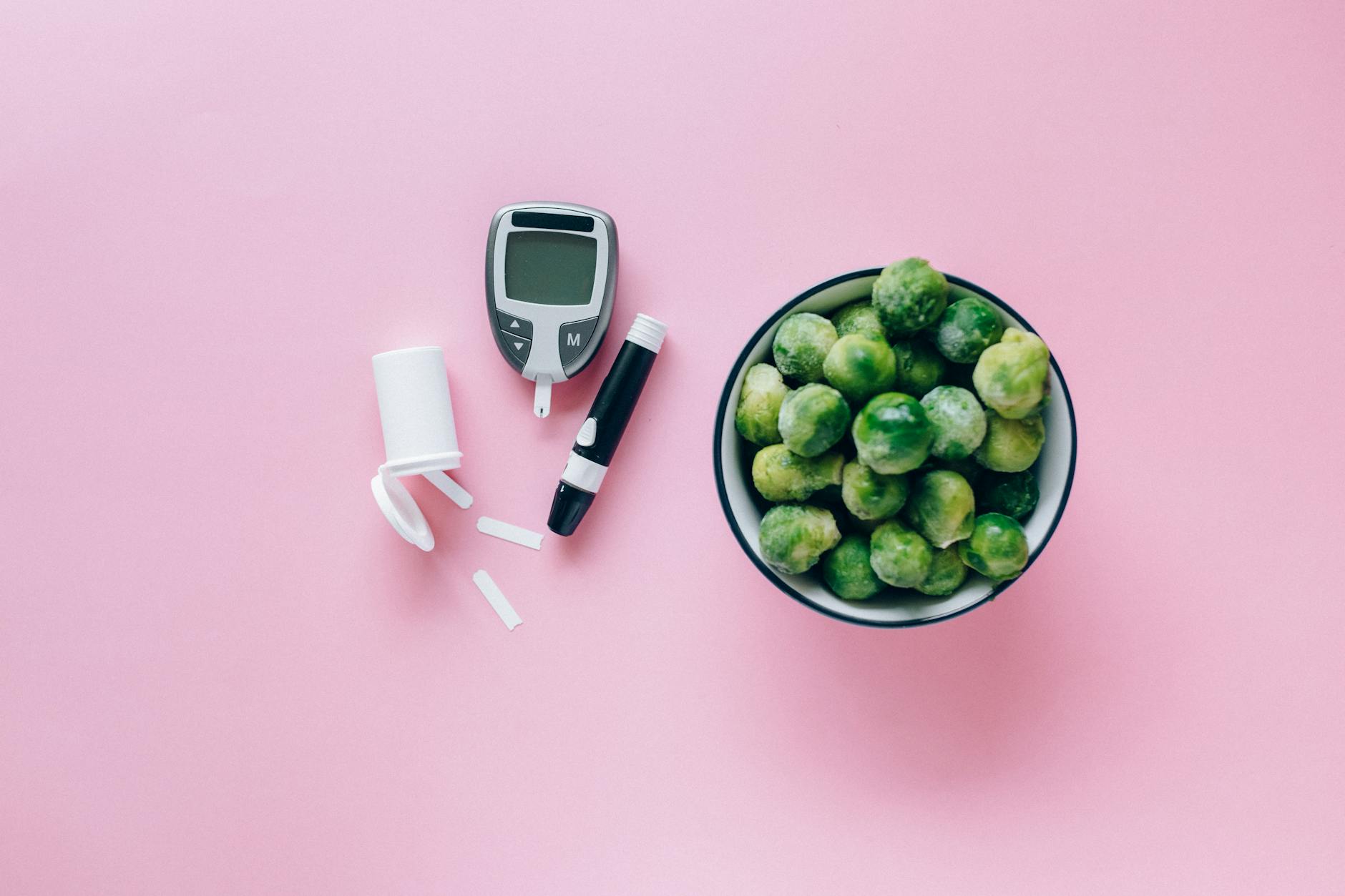
When you consume high-glycemic foods—those that break down quickly and cause rapid spikes in blood sugar—your pancreas responds by releasing a large amount of insulin to manage that blood sugar surge. This insulin spike doesn’t just regulate glucose; it has downstream effects throughout your endocrine system. Elevated insulin levels trigger increased production of androgens, male hormones present in both men and women that directly stimulate sebaceous glands to produce more sebum, the oily substance that can clog pores and create an ideal environment for acne-causing bacteria to thrive. This mechanism has been documented in multiple dermatological studies. A landmark study published in peer-reviewed journals found that a low-glycemic diet resulted in 23% fewer acne lesions after just 12 weeks, compared to control groups eating their normal diet.
In another large-scale analysis of over 24,000 adults, those who regularly consumed sugary foods and beverages showed a 54% higher likelihood of developing acne compared to those with lower sugar intake. These aren’t marginal improvements; they’re clinically meaningful reductions in active breakouts. The process happens relatively quickly. Within hours of consuming high-glycemic foods, blood sugar and insulin levels spike, hormonal signals shift, and your skin—particularly in sebum-rich areas like the face and chest—begins producing more oil. For someone with sensitive, acne-prone skin, this metabolic event can be the difference between clear skin and an inflammatory breakout.
The Hidden Mechanism: Insulin’s Role in Sebum Overproduction
Understanding exactly how insulin increases oil production helps explain why some people seem to break out after eating certain foods while others don’t. Insulin is a potent signaling hormone that influences multiple metabolic pathways. When insulin levels remain chronically elevated from a diet heavy in refined carbohydrates and sugar, it doesn’t just affect blood sugar management—it alters the activity of sebaceous glands, which are highly responsive to hormonal shifts. Androgens and insulin work synergistically to increase sebaceous gland activity. Higher insulin levels can also increase the bioavailability of androgens, meaning more of these hormones are in an active form that can bind to receptors on sebaceous gland cells.
The result is elevated sebum production, which serves as a nutrient source for Cutibacterium acnes (formerly Propionibacterium acnes), the bacterium most closely associated with inflammatory acne. Additionally, insulin influences skin cell turnover and inflammation markers; high insulin promotes thicker sebum that’s more likely to clog pores and increases inflammatory cytokines that drive the redness and swelling characteristic of acne breakouts. One important limitation to recognize: not everyone experiences acne breakouts from high-glycemic foods, and diet alone doesn’t cause acne. Genetics, hormonal fluctuations, stress, skin barrier function, and bacterial colonization all play roles. However, for the subset of people with acne-prone skin—particularly those with elevated androgens or insulin resistance—dietary glycemic load often becomes a controlling factor that can either exacerbate or improve their skin condition. Someone with mild, stress-related breakouts might see little difference from dietary changes, while someone with persistent hormonal acne may notice dramatic improvements after shifting to a low-glycemic diet.
The Awareness Gap: Why Many People Don’t Know About This Connection
Despite the solid scientific evidence linking high-glycemic foods to increased acne, a significant portion of people struggling with acne-prone skin remain unaware of this mechanism or discount diet as a relevant factor. This awareness gap likely stems from several sources: dermatologists don’t always discuss diet during routine acne consultations, acne sufferers are bombarded with skincare marketing that promises topical solutions, and the connection between food and breakouts takes several days to fully manifest, making the cause-and-effect relationship less obvious than, say, a reaction to a new ingredient. Many people assume that if diet were a factor in their acne, they would have noticed a pattern. In reality, the relationship is often subtle.
Someone who eats pizza multiple times a week might experience chronic breakouts that they attribute to their genetics or skincare routine, not recognizing that the refined carbohydrates in the crust are contributing factor. The delay between eating high-glycemic foods and seeing inflammatory results—typically 24 to 72 hours—makes it harder for people to make the connection compared to an obvious food allergy reaction that appears within hours. For those with sensitive skin that’s already barrier-compromised or inflamed, dietary management becomes even more critical because their skin is primed to react. Someone with rosacea-prone or eczema-prone skin alongside acne may be managing multiple inflammatory conditions, and addressing dietary glycemic load can provide systemic anti-inflammatory benefits that improve all of these conditions simultaneously. Yet many of these individuals cycle through expensive dermatological treatments without ever exploring whether a dietary shift could amplify the effects of their skincare regimen.

Shifting to a Low-Glycemic Diet: Practical Implementation and Results
For someone ready to test whether a low-glycemic approach improves their acne, the practical path forward involves replacing high-glycemic carbohydrates with their low-glycemic alternatives. White rice becomes brown rice or cauliflower rice; white bread becomes whole grain bread or sprouted bread; sugary breakfast cereals become oatmeal, eggs, or Greek yogurt with berries. The goal isn’t elimination of carbohydrates—which can be unsustainable and unnecessarily restrictive—but rather choosing carbohydrate sources that break down slowly and produce a gentler, more sustained rise in blood sugar and insulin. Pairing carbohydrates with protein and healthy fats amplifies this effect. Eating an apple with almond butter causes a slower, lower blood sugar rise than eating an apple alone.
A sandwich made with whole-grain bread, lean protein, and vegetables will have a lower glycemic impact than the same bread eaten with jam and butter. Research on low-glycemic load interventions has consistently demonstrated significant reductions in total acne lesion counts, with many participants seeing noticeable improvements within 4 to 12 weeks. Some people experience faster results—clearer skin within 2 to 3 weeks—while others require the full 8 to 12 weeks to see meaningful change. A practical consideration: the transition to a low-glycemic diet does require conscious planning and meal preparation, particularly if someone has relied heavily on convenience foods and takeout. The trade-off is that most people find the dietary changes less disruptive than they initially feared, and the potential skin improvement often provides strong motivation to maintain the changes. Additionally, a low-glycemic diet offers systemic health benefits beyond acne—improved energy stability, better concentration, and reduced inflammation markers throughout the body—making it a sustainable long-term approach rather than a temporary acne fix.
Individual Variation and the Limits of Dietary Intervention
While low-glycemic diet interventions show strong average effects across study populations, individual results vary significantly. Some people experience dramatic acne clearance when they reduce refined carbohydrates, while others see modest improvements or no change at all. This variation reflects the multifactorial nature of acne; diet is one modifiable factor among many, not the sole determinant of skin health. Genetics influence how sensitive someone’s sebaceous glands are to insulin and androgens. Someone with a strong genetic predisposition to acne and high baseline androgen levels may need to combine dietary changes with other interventions—topical retinoids, hormonal birth control, or dermatological medications—to achieve clear skin.
Additionally, stress, sleep deprivation, and hormonal cycles can override dietary benefits; a woman who maintains a low-glycemic diet but experiences a hormonal surge during her menstrual cycle may still develop breakouts regardless of her carbohydrate intake during that period. This doesn’t mean diet doesn’t matter—it means diet is one variable in a complex system. Another important caveat: the 23% reduction in acne lesions observed in low-glycemic diet studies represents an average effect, and the range of individual responses likely spans from near-zero improvement to dramatic clearing. Someone just beginning to explore whether diet affects their acne should approach it as an experiment, tracking their skin condition for 8 to 12 weeks while maintaining consistent skincare and other variables, rather than expecting guaranteed results. If dietary changes don’t produce noticeable improvement after a reasonable trial period, other factors—such as undiagnosed hormonal conditions, food sensitivities to dairy or iodine, or environmental triggers—may deserve investigation.
The Dairy and Iodine Consideration: Related Dietary Factors in Acne
While high-glycemic foods are a primary dietary driver of acne, other nutritional factors can amplify or independently contribute to breakouts, adding complexity to the dietary-acne relationship. Dairy products, particularly milk, contain hormones and proteins that some research suggests may increase sebum production and inflammation in acne-prone individuals. Some dermatologists recommend that acne sufferers experiment with reducing dairy consumption alongside lowering glycemic load to see if combined dietary changes produce better results than addressing glycemic index alone.
Iodine, a nutrient essential for thyroid function, can trigger or worsen acne in sensitive individuals if consumed in excess. Iodized salt, seaweed, shellfish, and some supplements are significant iodine sources. For someone who has implemented a low-glycemic diet but continues experiencing breakouts, exploring whether dairy or iodine sensitivity is a contributing factor may reveal additional dietary levers to pull. This demonstrates that while the insulin-glycemic mechanism is well-understood and impactful, acne causation remains complex enough that some experimentation with different dietary approaches is often necessary to identify what works for an individual’s particular skin.
The Future of Diet-Based Acne Management and Personalized Approaches
As dermatology increasingly recognizes the role of systemic factors in acne pathogenesis, dietary management is gaining prominence as a legitimate first-line or adjunctive intervention. Rather than defaulting immediately to prescription medications or extensive skincare routines, a growing number of dermatologists now screen for dietary factors and recommend glycemic load reduction as an initial approach, particularly for mild to moderate acne or for patients seeking to minimize medication use.
The future likely involves more personalized approaches to acne management that consider an individual’s specific metabolic characteristics, genetic predisposition, hormonal status, and food sensitivities. Some dermatologists are beginning to use insulin resistance markers and hormonal panels to identify which patients are most likely to benefit from low-glycemic dietary interventions. As this personalized approach becomes more standard, the awareness gap about diet and acne should narrow, and more people with acne-prone skin will understand this metabolic connection before spending months or years on ineffective topical treatments.
Conclusion
The science is clear: high-glycemic foods spike blood insulin, which increases androgen hormones and stimulates sebaceous glands to produce excess sebum—creating a direct physiological pathway from refined carbohydrates to acne breakouts. For the significant portion of acne sufferers unaware of this mechanism, recognizing this connection can be transformative, potentially offering a low-cost, sustainable intervention that addresses a root cause of their breakouts rather than merely managing symptoms with topical products.
If you struggle with persistent acne despite a solid skincare routine, consider experimenting with a low-glycemic diet for 8 to 12 weeks, tracking your skin condition alongside your food intake. Based on research showing 23% reductions in acne lesions and 54% higher acne risk with sugary food consumption, the potential improvement is substantial enough to warrant the dietary trial. This approach works best when combined with consistent skincare and other foundational health practices, but for many people with acne-prone skin, addressing dietary glycemic load becomes the missing piece that finally allows their skin to clear.
You Might Also Like
- At Least 30% of Estheticians Treating Acne Don’t Realize That High-Glycemic Foods Spike Insulin Which Increases Oil Production
- At Least 53% of People With Sensitive Acne-Prone Skin Report That Their Diet May Be Contributing to 20-30% of Their Breakouts
- At Least 52% of People With Sensitive Acne-Prone Skin Would Benefit From Knowing That Retinoids Can Take 12 Weeks Before Showing Results