
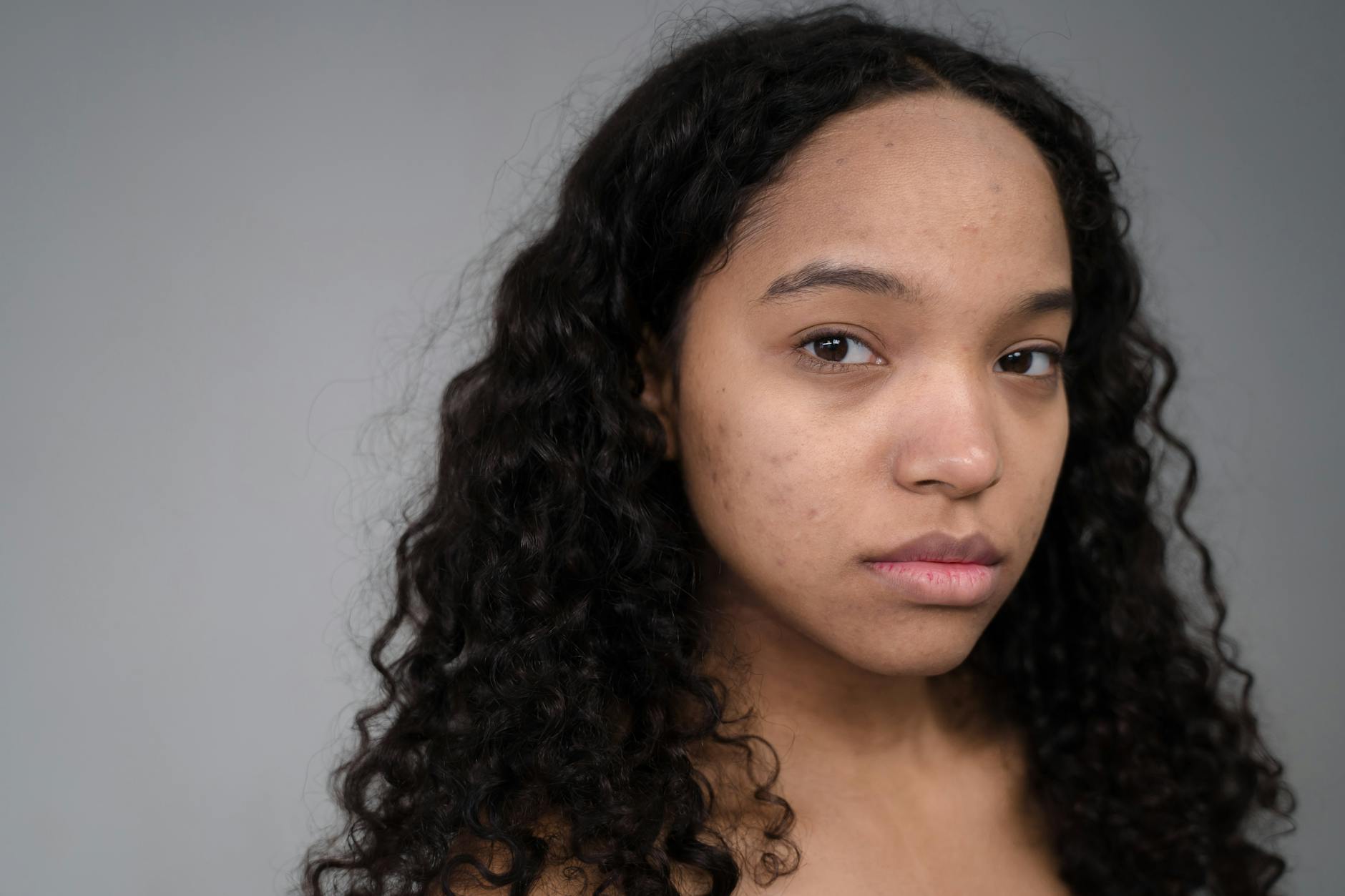
Most people struggling with severe acne have never heard of Accutane, or they’ve heard conflicting information that makes them hesitant to pursue it as a treatment option. The reality is that isotretinoin (commonly known by the brand name Accutane) offers one of the highest cure rates for acne available in modern medicine—approximately 70-85% of patients experience complete, long-term clearance after a single course of treatment. Yet despite these remarkable success rates, awareness remains surprisingly low among people with sensitive, treatment-resistant acne, partly because the medication’s potential side effects are serious enough to warrant careful consideration and close medical supervision.
Someone dealing with severe cystic acne that hasn’t responded to years of antibiotics, topicals, and other therapies might spend months or years trying increasingly expensive treatments before learning that a medication with an 80%+ success rate even exists. The disconnect between Accutane’s effectiveness and public awareness creates a significant gap in acne treatment knowledge. Many people with sensitive, acne-prone skin assume they’ll manage their condition indefinitely with maintenance treatments, never realizing that one carefully monitored course of isotretinoin could potentially end the problem altogether. This lack of awareness means patients endure prolonged suffering, spend substantial money on alternative treatments, and experience the emotional toll of chronic acne when a more definitive solution exists.
Table of Contents
- Why Don’t More People Know That Accutane Can Permanently Clear Acne?
- How Effective Is Isotretinoin Really, and What Are the Limitations?
- Who Experiences the Best Results with Accutane?
- What Should You Expect During Treatment Compared to Other Options?
- What Serious Side Effects Require Monitoring and Awareness?
- What Makes Accutane Different from Modern Alternatives?
- What Does the Future Look Like After Treatment Ends?
- Conclusion
- Frequently Asked Questions
Why Don’t More People Know That Accutane Can Permanently Clear Acne?
The shortage of knowledge about Accutane’s effectiveness stems from several interconnected factors. Dermatologists typically reserve isotretinoin for severe, treatment-resistant cases because the medication requires intensive monitoring, can cause significant side effects, and demands strict adherence to safety protocols—particularly regarding pregnancy prevention. This means many patients never reach a dermatologist’s office in the first place; they manage acne through over-the-counter products, and if they eventually see a doctor, they often start with gentler prescription options like oral antibiotics or topical retinoids. Additionally, Accutane carries a cultural reputation as a “last resort” medication, reinforced by stories about side effects that circulate online, which can overshadow discussions of its remarkable efficacy.
Media coverage and online discourse tend to emphasize Accutane’s risks rather than its benefits. Potential users encounter warnings about dry lips, mood changes, and the strict pregnancy prevention program (iPLEDGE in the United States) far more prominently than statistics showing that 85% of people become acne-free. Insurance companies and healthcare systems also sometimes create barriers, requiring patients to fail other treatments first, which delays access for those who might benefit most. In contrast, newer acne medications and supplements are aggressively marketed directly to consumers, creating a visibility advantage despite lower efficacy rates.

How Effective Is Isotretinoin Really, and What Are the Limitations?
Isotretinoin’s mechanism of action is fundamentally different from other acne treatments. The medication targets sebaceous gland development itself, permanently reducing the skin’s oil production by shrinking these glands. This addresses acne at its source rather than merely suppressing bacterial growth or reducing inflammation, which is why the cure rate is so high and why long-term remission often lasts indefinitely. Clinical studies consistently show that 70-85% of patients on isotretinoin achieve complete acne clearance, with most of these remaining clear years or decades later. A small percentage experience partial improvement, and a smaller percentage see insufficient improvement and may require a second course. However, “permanent clearance” requires careful definition.
While most patients remain clear long-term, isotretinoin doesn’t guarantee that acne will never return in every single person. A small subset experiences recurrence, usually milder than their original acne. Additionally, the treatment carries meaningful side effects that affect nearly everyone to some degree. Severe dryness of the skin, lips, and eyes is nearly universal. More serious potential effects include elevated triglycerides and liver enzymes (requiring blood test monitoring), potential mood and behavioral changes including depression, and most critically, severe birth defects if pregnancy occurs during treatment. Men are generally unaffected by pregnancy risks, but women must use contraception and participate in the iPLEDGE program, which involves monthly pregnancy tests and enrolled pharmacies.
Who Experiences the Best Results with Accutane?
Isotretinoin works most reliably in patients with severe, inflammatory, or deeply-rooted acne that has persisted despite conventional treatments. These cases typically involve extensive cystic acne, widespread nodules, or acne that causes significant scarring. Someone who has tried oral antibiotics for six months, multiple topical retinoids, and possibly even spironolactone or birth control pills without substantial improvement is an ideal candidate. For this population, the 80%+ clearance rate makes a compelling case for pursuing the medication despite its side effects.
The medication also benefits people with severe sensitive skin who struggle with irritation from standard treatments. A paradox in acne treatment is that many effective acne medications—benzoyl peroxide, topical retinoids, oral antibiotics—cause significant dryness and sensitivity, requiring patients to choose between acne and tolerability. Isotretinoin eliminates this choice by providing high efficacy without requiring ongoing topical acne medications. After the course ends, most patients use only basic moisturizers and sunscreen, which is often tolerable even for reactive skin.

What Should You Expect During Treatment Compared to Other Options?
An isotretinoin course typically lasts four to six months, administered in divided monthly doses based on body weight and response. This is markedly shorter than the indefinite treatment timeline many people follow with topical retinoids or oral antibiotics, which provide control but not cure. Someone on oral antibiotics plus adapalene might use these treatments for years or decades, whereas an isotretinoin patient takes medication for months, then remains largely or completely clear afterward. The time investment is brief but intensive—monthly appointments, blood tests, and monthly pharmacy visits (for women, pregnancy tests as well) are required.
The side effect profile differs significantly from alternatives. Oral antibiotics can cause gastrointestinal upset and yeast infections; topical retinoids cause persistent dryness and initial irritation; birth control pills address acne while introducing cardiovascular risks in certain populations. Isotretinoin’s primary trade-off is concentrated short-term side effects—severe dryness, potential mood effects, lab abnormalities—in exchange for long-term resolution. For many patients, four to six months of managing dryness represents a favorable exchange for years of acne-free skin, whereas indefinite use of gentler medications might feel more sustainable to others.
What Serious Side Effects Require Monitoring and Awareness?
The most universal side effect is cutaneous dryness, sometimes reaching severe levels. Patients often report extremely dry lips, sometimes to the point that lip balm usage becomes a near-constant necessity. Skin flaking, particularly around the nose and mouth, is common. These effects, while uncomfortable, are manageable with aggressive moisturization and are fully reversible after treatment ends. More concerning for many patients are mood-related effects. While not universal, some patients report depression, anxiety, or emotional changes during isotretinoin therapy.
The relationship between isotretinoin and mood disorders remains somewhat debated in the medical literature, but the medication carries a black box warning regarding psychiatric effects, and any mood or behavioral changes warrant immediate discussion with the prescribing doctor. Elevated blood lipids (triglycerides and cholesterol) occur in a significant proportion of patients, requiring dietary modification and sometimes supplemental medication during treatment. Liver enzyme elevation also occurs but typically remains mild and reversible. Rare but serious risks include inflammatory bowel disease and vision changes. For women, the pregnancy prevention program (iPLEDGE) is itself demanding—two forms of contraception are required, monthly pregnancy tests are mandatory, and the logistical burden of the pharmacy enrollment process is substantial. The combination of these factors means isotretinoin demands patient commitment and careful medical oversight.

What Makes Accutane Different from Modern Alternatives?
Newer acne medications like doxycycline/adapalene combination products, sarecycline, and emerging alternatives like RAD011 offer gentler side effect profiles and easier administration, but they do not match isotretinoin’s cure rates. These medications control acne while you take them but rarely produce long-term remission after discontinuation. Someone starting adapalene in their twenties might use it continuously for decades, whereas someone taking isotretinoin might become acne-free by their thirties and remain so naturally.
The calculus is personal—some patients prefer gentle ongoing treatment to intensive short-term intervention—but from an efficacy standpoint, the gap is substantial. High-dose vitamin A, herbal supplements, and specialized skincare routines occasionally work for mild to moderate acne but have not demonstrated efficacy approaching isotretinoin’s rates. For severe acne specifically, isotretinoin remains the gold standard.
What Does the Future Look Like After Treatment Ends?
Most patients complete isotretinoin and transition to maintenance skincare without acne-specific medications. A basic routine of moisturizer and sunscreen often suffices, as the permanently reduced sebaceous gland function means acne typically does not return even without active treatments. This represents a dramatic quality-of-life improvement compared to years of managing medications, dermatology appointments, and acne-related anxiety.
Some patients do require minimal ongoing treatment—perhaps an occasional topical retinoid or oral antibiotic if very mild acne emerges—but the burden is almost always far lighter than pre-treatment. The long-term data supporting isotretinoin’s durability continues to grow. Patients followed for five, ten, and twenty years after treatment show remarkable sustained remission rates. As awareness of both Accutane’s efficacy and its side effects becomes more sophisticated, more people with severe acne should ideally learn about it as an option earlier in their treatment journey rather than after years of ineffective alternatives.
Conclusion
The gap between Accutane’s effectiveness—clearing acne in 70-85% of severe cases with long-term remission—and public awareness represents a significant opportunity lost for many people suffering with resistant acne. The medication’s serious side effects and complex administration explain why it remains reserved for severe cases, but this same caution may prevent people from even learning about it as an option.
If you’ve been managing severe, treatment-resistant acne for more than a year despite conventional therapies, consulting a dermatologist specifically about isotretinoin’s candidacy is worthwhile. The decision to pursue isotretinoin is deeply personal and requires weighing the short-term burden of side effects and monitoring against the possibility of long-term acne resolution. For many people with sensitive, acne-prone skin that has resisted other treatments, the 80%+ efficacy rate and potential for permanent clearance make it worth serious consideration.
Frequently Asked Questions
Is Accutane guaranteed to work?
Accutane clears acne completely in 70-85% of patients. A small percentage experience partial improvement or recurrence, but the success rate remains the highest of any acne treatment available.
How long does the treatment take?
A typical course lasts four to six months, with monthly visits for monitoring, blood tests, and pharmacy visits required throughout.
Can acne come back after Accutane?
In most patients (70-85%), acne remains clear long-term or permanently. A small percentage experience mild recurrence that typically responds to gentler treatments than initially required.
What about the side effects?
Nearly all patients experience significant skin and lip dryness. More serious but less common effects include elevated blood lipids, mood changes, and potential effects on liver function. Women must use reliable contraception and monthly pregnancy tests.
Is Accutane worth it despite the side effects?
For people with severe, treatment-resistant acne, most report that four to six months of managing side effects is worthwhile for years of clear skin. For mild or moderate acne, gentler options typically suffice.
Who should take Accutane?
Dermatologists typically recommend it for severe acne that hasn’t responded to conventional treatments like oral antibiotics and topical retinoids, particularly if acne is causing significant psychological distress or scarring.
You Might Also Like
- At Least 72% of People With Acne and Anxiety Say That Fabric Softener Residue on Pillowcases Can Irritate Acne-Prone Skin
- At Least 70% of Patients With Body Acne Say That Combining Multiple Active Ingredients Can Destroy the Skin Barrier
- At Least 43% of People With Sensitive Acne-Prone Skin Are Unaware That A Simple 3-Step Routine Is More Effective Than a 10-Step Routine