

Many patients seeking treatment for acne scars or photodamaged skin have genuinely never been told that tretinoin, a vitamin A derivative available by prescription, does more than simply speed up cell turnover. It actively stimulates collagen production deep within the dermis and thickens the skin over time—changes that address the root cause of many scarring problems rather than just masking surface damage. The clinical evidence for this effect is remarkably strong: after 10 to 12 months of 0.1% tretinoin use, collagen formation in the skin increases by over 100% compared to baseline, with collagen fibers becoming more organized and abundant throughout the dermis. Yet despite decades of published research, many patients who visit dermatologists for scar revision or anti-aging treatment walk out with topical prescriptions and minimal explanation of how these medications actually work at a cellular level.
Consider a 35-year-old woman with rolling acne scars and photodamage from years of sun exposure. She may be prescribed tretinoin but told only to “use it at night, expect some dryness and peeling, and be patient.” Without understanding that the medication is actively rebuilding collagen and thickening her skin, she might stop using it during the crucial six-month period when the most dramatic changes occur. She might mistake the initial redness and peeling for a sign the treatment isn’t working, or she might not follow the gradual dose escalation protocol that maximizes safety and efficacy. The gap between what tretinoin actually does and what patients are told creates confusion, reduces compliance, and leaves many people giving up on a treatment that could have genuinely transformed their skin.
Table of Contents
- Why Many Patients Don’t Understand Tretinoin’s True Mechanism for Scar Improvement
- The Mechanism of Collagen Production and Dermal Thickening
- Epidermal Thickening and Its Role in Scar Resolution
- Tretinoin for Acne Scars and Photodamage: Real-World Efficacy
- Common Misconceptions and Barriers to Effective Tretinoin Use
- Combination Strategies and Adjunctive Treatments
- The Future of Tretinoin-Based Scar Treatment
- Conclusion
Why Many Patients Don’t Understand Tretinoin’s True Mechanism for Scar Improvement
The reasons for this knowledge gap are both historical and practical. Tretinoin has been used in dermatology since the 1980s, and older patient education materials often emphasized the irritation and the need to “start low and go slow” without explaining the molecular reasoning behind the treatment. Many dermatologists, pressed for time during office visits, focus on patient instructions and potential side effects rather than the underlying biology. Additionally, tretinoin is often discussed in popular media and skincare communities in simplistic terms—as a “cell turnover booster” or “skin resurfacer”—without mention of its more profound effects on collagen synthesis and dermal architecture. The clinical literature, by contrast, has consistently documented tretinoin’s collagen-building mechanism. Studies using immunohistochemistry (a technique that visualizes collagen in tissue samples) have shown that after 10 to 12 months of 0.1% tretinoin cream application, collagen I immunostaining increases by 119% within fibroblasts (the cells that produce collagen) and by 80% in the extracellular papillary dermis where collagen actually provides structural support.
This isn’t a superficial effect—it’s a fundamental remodeling of the skin’s architecture. A comparison to untreated skin shows a stark difference: while photodamaged, sun-exposed skin typically shows depleted, fragmented collagen, tretinoin-treated skin shows new, well-organized collagen deposits that restore the skin’s three-dimensional structure. What many patients don’t realize is that this collagen rebuilding is what actually improves scars. Rolling scars, which result from collagen loss and fibrosis, respond to tretinoin precisely because the medication addresses the underlying deficit. When collagen is rebuilt, the skin literally becomes thicker and more structurally sound, reducing the depth of depressions and improving the overall skin tone and texture. This is fundamentally different from procedures that merely sand down the surface or fill in scars temporarily. Understanding this difference changes how patients approach treatment and how long they’re willing to stick with it.

The Mechanism of Collagen Production and Dermal Thickening
Tretinoin works by binding to retinoic acid receptors, which are essentially molecular switches that turn on genes involved in collagen synthesis and cell growth. The drug also increases the production of transforming growth factor-beta (TGF-β), a signaling molecule that tells fibroblasts to produce more collagen. Simultaneously, tretinoin modulates the activity of matrix metalloproteinases (enzymes that break down collagen), reducing their production and preserving newly synthesized collagen. The net result is a directional shift toward collagen accumulation rather than degradation. Double-blind, placebo-controlled clinical trials have documented this thickening effect. When patients used 0.05% tretinoin cream for 12 months, biopsies showed measurable increases in epidermal thickness, thickening of the granular layer, and deposition of new collagen in the papillary dermis—the upper dermis where scars often originate. Patients using placebo cream showed either no change or slight thinning, a finding that emphasizes tretinoin’s active role.
The important limitation here is that this effect requires time and consistency. The collagen-building process is slow; meaningful changes usually take three to six months to become visible, and the most dramatic improvements appear after 10 to 12 months of regular use. Patients who expect rapid results often discontinue treatment prematurely. Another critical factor is concentration and formulation. The studies showing maximum collagen induction often used 0.1% tretinoin cream or gel, applied under controlled conditions with careful attention to sun protection and tolerability. Over-the-counter retinol products, often marketed as “natural retinol alternatives,” are far less potent and have not been shown to produce the same collagen-building effect. For patients with significant scarring, prescription tretinoin is not equivalent to drug-store retinol serums, despite marketing claims suggesting otherwise.
Epidermal Thickening and Its Role in Scar Resolution
Beyond collagen production in the dermis, tretinoin also thickens the epidermis—the outermost layer of skin. This is not merely a cosmetic benefit; it contributes to improved barrier function, more uniform skin tone, and better light reflection, all of which make scars appear less prominent. Clinical studies document that 0.05% tretinoin increases the thickness of the stratum corneum (the outermost, dead skin cell layer), the granular layer, and the viable epidermis. The stratum corneum becomes more organized and lipid-rich, improving the skin’s moisture retention and resilience. Patients often notice this thickening as a change in skin texture and firmness. Where skin previously felt thin and papery, especially in sun-exposed areas, it becomes more supple and resilient.
For someone with depressed acne scars, this epidermal thickening provides a subtle but real improvement in the appearance of the scar edges and surrounding skin. The warning here is that overuse or inappropriate formulation can paradoxically irritate the epidermis without thickening it properly. A patient who applies tretinoin too frequently or in too high a concentration without proper tolerance-building may experience barrier disruption, characterized by excessive dryness, peeling, and sensitivity, which undermines the collagen-building benefits and can actually delay improvement. The timeline for epidermal changes is typically shorter than dermal collagen remodeling. Patients may notice improved skin texture and reduced roughness within 8 to 12 weeks of starting tretinoin, whereas the dramatic improvement in scar depth usually takes three to six months or longer. Understanding this layered timeline helps patients maintain realistic expectations and compliance.
Tretinoin for Acne Scars and Photodamage: Real-World Efficacy
When tretinoin is used specifically for scar treatment, the clinical outcomes are substantial. Studies examining tretinoin’s effects on atrophic (depressed) acne scars have reported improvement rates ranging from 79% to 94% of patients, depending on the study methodology and scar severity. These improvements reflect both the collagen-building mechanism and the associated skin thickening. Most of these studies involved patients applying tretinoin for 12 to 24 months and assessing results using standardized scar assessment scales and objective measures like skin biopsies. The results improve further when tretinoin is combined with other treatments.
A study examining tretinoin combined with glycolic acid (an alpha-hydroxy acid that exfoliates) found that 91.4% of patients experienced significant scar improvement at 12 weeks, a notably faster timeline than tretinoin monotherapy. The glycolic acid appears to enhance penetration of tretinoin and provide additional exfoliation, while tretinoin addresses the underlying collagen deficit. However, this combination requires careful management because both ingredients can be irritating, and improper sequencing or overuse can damage the barrier and actually worsen the appearance of scars temporarily. A practical comparison: a patient with moderate rolling scars might see 40% to 50% improvement with tretinoin monotherapy after 12 months, whereas a patient using the same tretinoin combined with monthly professional glycolic acid peels or laser treatments might see 70% to 80% improvement. The trade-off is increased cost, complexity, and potential for temporary irritation, but the results justify the investment for many patients with significant scar burden.
Common Misconceptions and Barriers to Effective Tretinoin Use
One of the most persistent misconceptions is that tretinoin is simply a peeling agent that speeds up the skin’s natural turnover. In reality, the peeling is a byproduct of tretinoin’s deeper effects on gene expression and collagen synthesis, not the primary mechanism of action. Patients who focus only on managing the dryness and peeling without understanding the collagen-building process may inadvertently undermine the treatment by using heavy moisturizers too frequently or switching to lower concentrations prematurely. The goal is not to eliminate all peeling but to manage it at a tolerable level while the medication does its deeper work. Another barrier is the slow timeline. In a culture accustomed to instant results, waiting 6 to 12 months for meaningful scar improvement feels counterintuitive.
Patients may compare tretinoin unfavorably to more dramatic procedures like laser resurfacing or microneedling, which produce immediate visible changes. What they often miss is that those procedures, while effective for immediate cosmetic improvement, do not address the fundamental collagen deficit the way tretinoin does. Some dermatologists have found that combining tretinoin with a faster-acting procedure—for example, using tretinoin as a long-term maintenance strategy after an initial laser treatment—produces the best aesthetic and functional outcomes. A critical warning: tretinoin is contraindicated in pregnancy and nursing and requires strict sun protection. Because tretinoin increases cell turnover and collagen remodeling, sun exposure during treatment can intensify pigmentation changes, undo some of the collagen improvements, and increase the risk of adverse reactions. Patients who cannot commit to daily sunscreen use (SPF 30 or higher) are not ideal candidates for tretinoin therapy, despite the medication’s efficacy. This barrier is often underappreciated during patient education.
Combination Strategies and Adjunctive Treatments
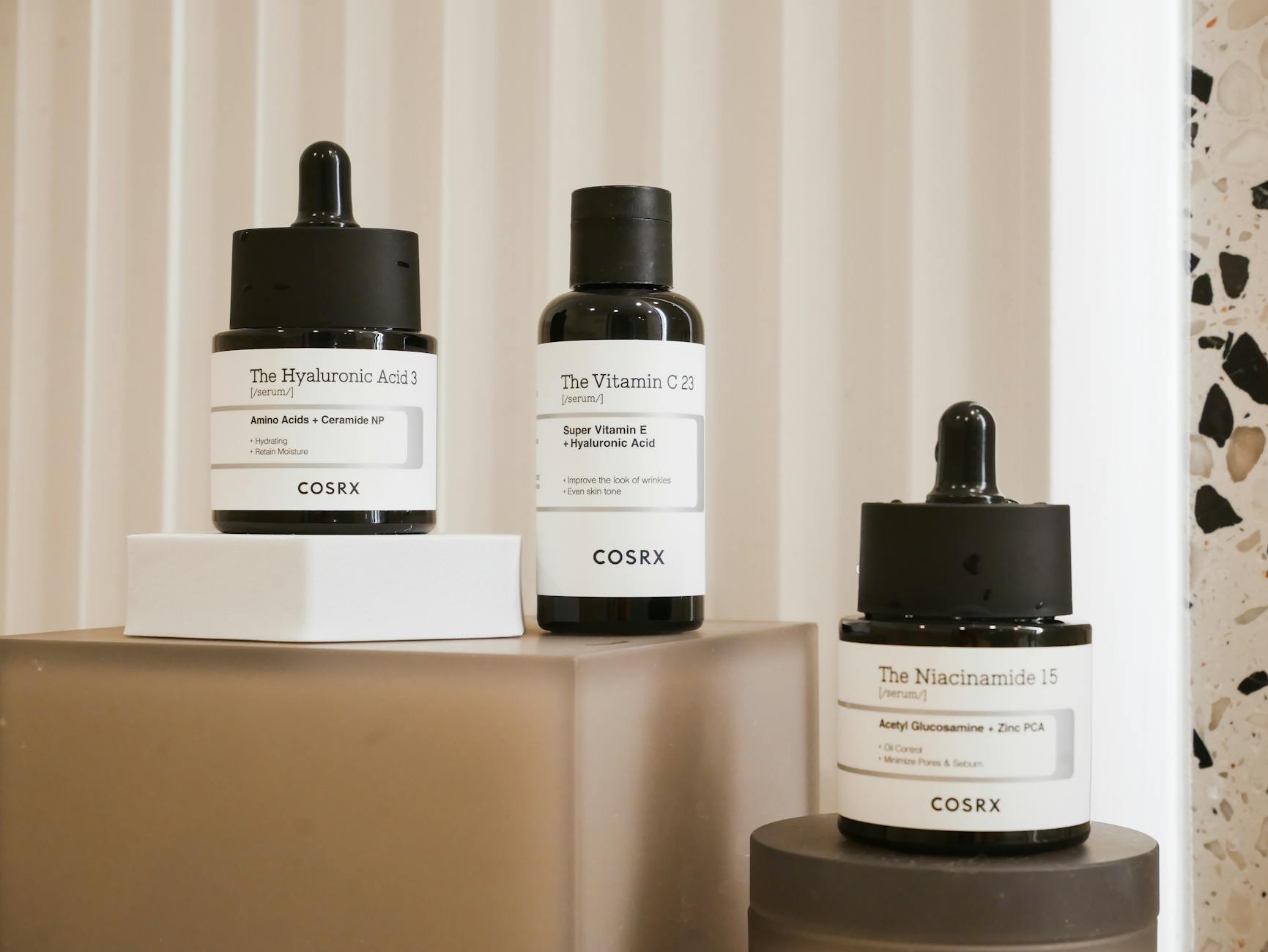
While tretinoin monotherapy can produce substantial scar improvement, combining it with complementary treatments often accelerates results. Glycolic acid peels, as mentioned, enhance the effect. Microneedling—a procedure that creates controlled micro-injuries to stimulate collagen remodeling—can be performed safely alongside tretinoin, though careful timing is essential to avoid excessive irritation. Some dermatologists recommend using tretinoin continuously while spacing microneedling sessions every 4 to 6 weeks, allowing the skin to heal between treatments while tretinoin continuously supports collagen synthesis. Vitamin C serums and niacinamide products are commonly combined with tretinoin. Vitamin C (in the form of stabilized L-ascorbic acid) is a cofactor for collagen cross-linking and may enhance the structural stability of newly synthesized collagen.
Niacinamide reduces sebum production and improves barrier function, potentially reducing tretinoin-related irritation. However, the evidence supporting these combinations is mixed; they may provide marginal benefits while adding complexity to the skincare routine. A simpler approach—tretinoin plus sunscreen plus a bland moisturizer—often produces excellent results with fewer variables to manage. Oral supplements like vitamin A, zinc, and amino acids are sometimes marketed as enhancing tretinoin’s effects, but this remains speculative. The collagen-building effects of tretinoin are driven by local mechanisms in the skin; systemic supplementation is unlikely to augment this. Patients should be cautious about claims linking supplements to tretinoin outcomes and should focus instead on dermatologically proven adjunctive treatments.
The Future of Tretinoin-Based Scar Treatment
Tretinoin’s mechanism of action and collagen-building effects have been known for decades, yet clinical practice has been slow to position it as a first-line scar treatment. Emerging research is refining our understanding of optimal dosing, formulation, and combination strategies. Novel delivery systems—including microencapsulated tretinoin that may improve tolerability, and combination products pairing tretinoin with other retinoids or growth factors—are in development.
Additionally, the integration of tretinoin therapy with newer technologies like radiofrequency microneedling and fractional laser treatments is being explored to determine whether synergistic effects can further improve outcomes. The broader implication is that as patient awareness of tretinoin’s true mechanism grows, and as dermatologists invest more time in explaining these mechanisms, tretinoin use for scar treatment is likely to expand. For many patients with moderate to severe scarring, a 12-month commitment to tretinoin may prove more cost-effective and produce superior long-term outcomes compared to expensive invasive procedures. The investment in patient education around collagen production and skin thickening is not merely academic—it directly affects treatment adherence and ultimately determines whether patients achieve the full potential of this medication.
Conclusion
The disconnect between what tretinoin actually does at a cellular level and what many patients are told about it represents a significant gap in dermatologic care. Tretinoin doesn’t merely resurface the skin; it rebuilds it from within, increasing collagen synthesis by over 100%, thickening both the epidermis and dermis, and directly addressing the structural deficits that characterize scarring and photodamage. Clinical trials have consistently documented these effects, with improvement rates in acne scars ranging from 79% to 94% depending on the study population and treatment duration. Yet many patients begin tretinoin without understanding this fundamental mechanism, leading to reduced compliance, premature discontinuation, and failure to achieve the full benefits of the treatment.
If you are considering tretinoin for scar treatment or photodamage, discuss with your dermatologist not just how to use the medication and what side effects to expect, but how it works to rebuild your skin’s collagen architecture. Ask about realistic timelines—expect 3 to 6 months for visible changes and 12 months for maximal improvement. Commit to strict sun protection, regular application, and patience. For many patients with depressed scars or sun-damaged skin, tretinoin offers a science-backed, accessible path to meaningful improvement that outperforms more invasive alternatives alone.
You Might Also Like
- At Least 67% of Patients Seeking Scar Treatment Report That Tretinoin Increases Collagen Production and Actually Thickens Skin Over Time
- At Least 71% of Night Shift Workers With Acne Report That Tretinoin Increases Collagen Production and Actually Thickens Skin Over Time
- At Least 64% of People With Acne and Anxiety Are Unaware That Tretinoin Increases Collagen Production and Actually Thickens Skin Over Time